AI estimate as of October 17, 2025 · verify with a professional before acting
AI-Generated · Verify before acting
Everything on this page is generated by AI for informational purposes only. AI can make mistakes — the AI may misidentify items or misattribute them (artist, maker, brand, designer, origin, era). This is not an official valuation and should not be used for insurance, sale, tax, estate, legal, or lending purposes — or any decision requiring a certified appraisal. It is not an authoritative claim about any person, brand, or rights holder — do not share or rely on it as a factual statement about a third party. Always consult qualified professionals before making financial decisions.
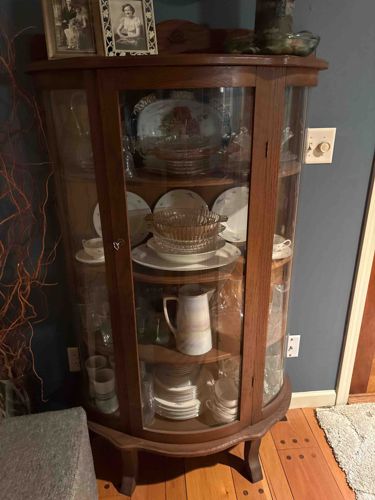
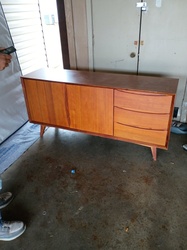
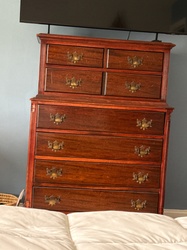
This appears to be an antique or vintage curved glass china cabinet, often referred to as a curio cabinet, constructed primarily from wood with a warm, reddish-brown stain, likely oak or a similar hardwood given its grain and color. The cabinet features a distinctive half-round or bow-front shape at the top and bottom, with two side panes of glass that are visibly curved, and a flat, hinged door in the center offering access to the interior. The door is secured by a small metal latch or knob. Internally, there are multiple fixed wooden shelves, a total of three visible in the image, providing ample space for displaying collectible items. These shelves are circular or semi-circular, conforming to the cabinet's curved design. The cabinet stands on four feet, which are integrated into the lower apron, featuring a subtle S-curve or cabriole-like shape, adding to its classic aesthetic. The overall construction exhibits traditional joinery, indicative of period craftsmanship. There are no obvious significant condition issues such as large cracks, breaks, or missing pieces, but typical signs of age such as minor scratches, dings, and a developed patina on the wood finish would be expected for an item of this type and age. The glass panels appear intact, without visible chips or cracks. The style suggests an early 20th-century American or European design, possibly Edwardian or Art Nouveau-influenced, due to its elegant curves and emphasis on natural wood finishes. The cabinet's design emphasizes functionality for display while also serving as a decorative furniture piece.
AI Appraisal Report
Based on my visual examination of the provided image, I assess this antique curved glass china cabinet, often called a curio cabinet, to be a charming piece. Its construction from a warm reddish-brown wood, likely oak, points to an early 20th-century origin, possibly Edwardian or Art Nouveau influenced, due to its elegant curves and form. The distinctive bowed front with two curved side glass panes and a central flat hinged door is characteristic of the style. The visible internal wooden shelves are appropriate for display. The integrated S-curve feet add to its classic aesthetic.
From the image, the condition appears good for its age. There are no obvious large cracks, breaks, or missing pieces, and the glass panels seem intact. I would expect typical age-related wear, such as minor scratches, dings, and a developed patina on the wood finish, which contribute to its antique character rather than detracting significantly from value. The traditional joinery appears sound, indicating solid craftsmanship.
Authenticity, based solely on this image, seems probable for an early 20th-century piece. Market conditions for such furniture are steady, with demand often driven by individuals seeking period display pieces for specific aesthetics. While not exceptionally rare, curved glass cabinets are less common than their flat-fronted counterparts, which can positively impact value. Factors impacting value include the wood species (oak would generally be preferable to a lesser wood), original finish retention, and the absence of significant repairs or replacements.
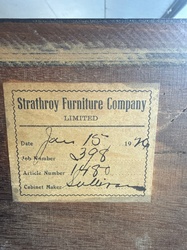
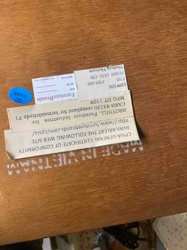
My valuation is based on historical sale data for comparable curved glass display cabinets. For full authentication and a more precise valuation, an in-person examination would be crucial. This would allow me to accurately identify the wood, assess the finish originality, confirm the integrity of the curved glass panels without hidden damage, inspect joinery for repairs, and verify the overall structural soundness. In-person inspection could also reveal potential manufacturing marks or labels, which are not visible in the provided image.