AI Appraisal Estimate

AI-generated estimates · not official valuations

From the user

What was submitted

Photo and notes provided by the user — not generated by AI

Submitted item photo
Submitted photo · June 12, 2026

User's notes

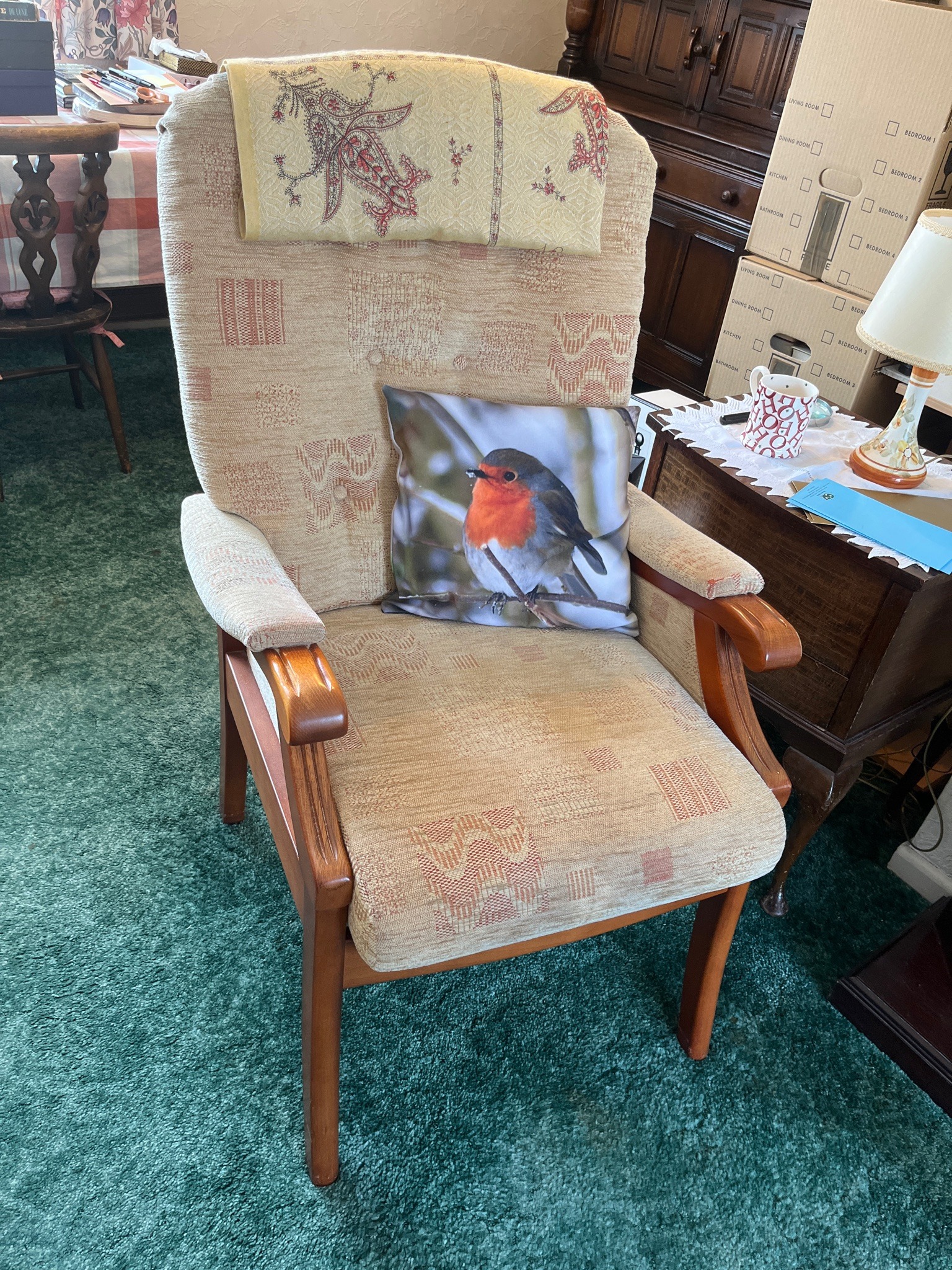
Second hand arm chair for an elderly person

AI analysis below

AI appraisal

AI analysis & estimate

AI-Generated · Verify before acting

Everything below is generated by AI for informational purposes only. AI can make mistakes — the AI may misidentify items or misattribute them (artist, maker, brand, designer, origin, era). This is not an official valuation and should not be used for insurance, sale, tax, estate, legal, or lending purposes — or any decision requiring a certified appraisal. It is not an authoritative claim about any person, brand, or rights holder — do not share or rely on it as a factual statement about a third party. Always consult qualified professionals before making financial decisions.

Note

This analysis also relies on unverified notes provided by the user, which may be incomplete or inaccurate and could affect the result.

Read the full disclaimer

AI Identification

·Not independently authenticated·Verify before acting

High-Back Fireside Armchair with Wood Frame

Furniture - Seating

AI Estimated Value

·Not an official valuation·Verify before acting

$100 - $175

As of June 12, 2026

AI Item Analysis

·AI can make mistakes·Verify before acting
This is a vintage-style high-back fireside armchair, frequently referred to as an orthopedic or nursing chair, designed for ergonomic support and ease of egress for the elderly. The chair features an exposed solid wood frame, likely beech or teak with a medium oak finish, characterized by straight legs and gently curved armrests that terminate in a rounded grip. The upholstery is a durable woven fabric in a neutral beige or oatmeal palette, featuring a subtle geometric or checkerboard relief pattern with recessed terracotta-colored accents. The backrest is notably tall and winged provide lateral support, while the seat cushion appears firm and integrated into the frame. Condition-wise, the wood frame shows light surface scratches and minor thinning of the finish on the high-contact areas of the armrests, consistent with domestic use. The upholstery appears well-maintained with no significant tears or staining visible, though a protective pale yellow paisley antimacassar is draped over the headrest and a thematic robin-print cushion is placed on the seat, suggesting a focus on preserving the underlying material. The construction suggests a late 20th-century manufacture, prioritizing utility and durability over purely decorative elements. Its sturdy, upright posture and high seat height are hallmarks of specialized furniture designed for mobility assistance.
AI Appraisal Report

·AI can make mistakes·Verify before acting
I have virtually examined this high-back fireside armchair, likely manufactured in the late 20th century. My assessment confirms it is an orthopedic or mobility-focused utility chair, constructed with a solid hardwood frame (likely beech or ash) and hard-wearing woven textile upholstery. The condition is good, showing minor finish wear on the armrests consistent with domestic use. The presence of an antimacassar suggests the underlying fabric has been protected from skin oils. The market for this specific type of furniture is driven primarily by utility rather than collectibility. These chairs are valued by caregivers and elderly users for their fire-retardant materials, high seat height, and stable armrests which facilitate easier standing. Comparables for mass-produced ergonomic seating of this era typically sell at local auctions or second-hand retail shops between $75 and $200 depending on the firmness of the foam. Because this is a utility item rather than a designer piece (like a Parker Knoll or Ercol), rarity is not a factor. Its value is impacted by the niche market; it appeals more to those requiring mobility assistance than to retro furniture enthusiasts. Limitations: My assessment is based on visual data alone. An in-person inspection would be required to verify the integrity of the internal joints and the condition of the foam, which can degrade or lose 'loft' over time. I cannot confirm compliance with current fire safety regulations without examining the manufacturer’s labels usually found under the seat frame. Verification of the wood species would require observing the grain under magnification.

Get your items appraised

Instant estimates of your treasures with AI-powered appraisals

Browse More Appraisals