AI estimate as of August 28, 2025 · verify with a professional before acting
AI-Generated · Verify before acting
Everything on this page is generated by AI for informational purposes only. AI can make mistakes — the AI may misidentify items or misattribute them (artist, maker, brand, designer, origin, era). This is not an official valuation and should not be used for insurance, sale, tax, estate, legal, or lending purposes — or any decision requiring a certified appraisal. It is not an authoritative claim about any person, brand, or rights holder — do not share or rely on it as a factual statement about a third party. Always consult qualified professionals before making financial decisions.
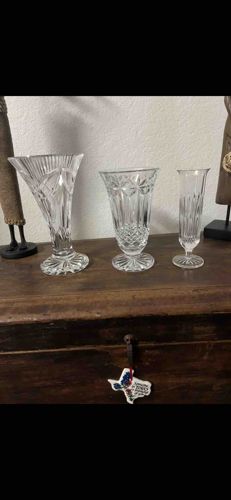
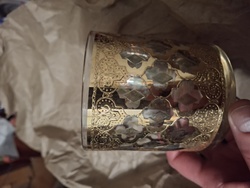
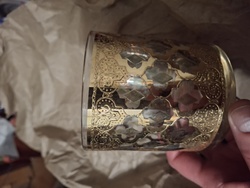
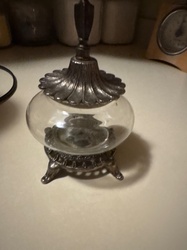
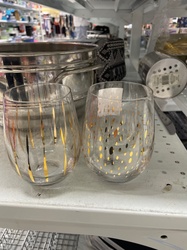
This item consists of a set of three clear glass or crystal vases, varying in size and cut patterns, displayed on a dark wooden surface. From left to right, the first vase is the largest, featuring a fluted, flared rim and intricate starburst and cross-hatch cuts on its body, resting on a sturdy, faceted circular foot. The second vase in the center is medium-sized with a more upright, cylindrical form, showcasing a combination of vertical ribbing and diamond-cut patterns. Its base is also a substantial, fluted circular foot, providing stability. The third and smallest vase is slender and tall with vertical fluting along its body and a simple, classic silhouette. It stands on a modest, bell-shaped foot. All three vases appear to be made of high-quality, clear material, likely crystal given the brilliance and sharp edges of the cuts. They exhibit no apparent chips, cracks, or significant damage, suggesting good to excellent condition. The cuts are precise, indicating skilled craftsmanship. The style suggests an early to mid-20th-century aesthetic, possibly aligning with a period when cut glass or crystal was highly popular for decorative home items. There are no visible maker's marks or signatures from the image. Each vase contributes to a coherent collection, despite their individual unique patterns, and could serve various decorative or functional purposes, such as holding single flowers or small bouquets. Their clear material allows them to blend seamlessly with various decor styles, while their intricate patterns add an element of sophistication.
AI Appraisal Report
Based on my visual examination of the provided image, this set of three assorted cut glass/crystal vases appears to be in very good to excellent condition. I observe no apparent chips, cracks, or significant damage, and the clarity of the material and precision of the cuts suggest high-quality craftsmanship. The intricate starburst, cross-hatch, vertical ribbing, and diamond-cut patterns, along with the varying forms, are indicative of classic cut glass or crystal popular in the early to mid-20th century.
In terms of market conditions, decorative cut glass and crystal, while not experiencing the peak demand of past decades, still hold value, particularly for well-executed pieces in excellent condition. Sets offered together typically command more interest than individual pieces due to their cohesive presentation. Comparables for similar multi-piece sets of unbranded cut crystal vases from this period on online marketplaces and at auction houses suggest a steady, albeit niche, demand. The "brilliance" of the material, as described, is crucial; if it is indeed lead crystal, it enhances value over soda-lime glass.
Factors significantly impacting value include the material (crystal vs. glass), the intricacy and quality of the cuts, the condition, and the completeness of the set. Rarity is not a major factor for general decorative cut glass as much was produced, but highly intricate or unique patterns can increase interest.
It is crucial to note the limitations of authenticity verification from images alone. While I can assess visual condition and general style, I cannot definitively determine if the material is crystal (lead content) versus high-quality glass, or authenticate any specific maker without physical inspection. An in-person examination would allow for precise testing of the material (e.g., specific gravity or refractive index), a thorough tactile assessment for minute flaws, and a detailed search for any obscure maker's marks or signatures that are not visible in the image. Provenance documentation, if available, would further enhance authentication and value.