AI Appraisal Estimate

AI-generated estimates · not official valuations

From the user

What was submitted

Photo and notes provided by the user — not generated by AI

Submitted item photo
Submitted photo · June 6, 2026

User's notes

No additional notes provided.

AI analysis below

AI appraisal

AI analysis & estimate

AI-Generated · Verify before acting

Everything below is generated by AI for informational purposes only. AI can make mistakes — the AI may misidentify items or misattribute them (artist, maker, brand, designer, origin, era). This is not an official valuation and should not be used for insurance, sale, tax, estate, legal, or lending purposes — or any decision requiring a certified appraisal. It is not an authoritative claim about any person, brand, or rights holder — do not share or rely on it as a factual statement about a third party. Always consult qualified professionals before making financial decisions.

Read the full disclaimer

AI Identification

·Not independently authenticated·Verify before acting

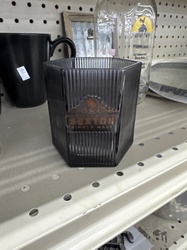
Cut Glass Creamer / Small Pitcher

Glassware

AI Estimated Value

·Not an official valuation·Verify before acting

$25 - $45

As of June 6, 2026

AI Item Analysis

·AI can make mistakes·Verify before acting
The item is a clear glass creamer or small pitcher, possibly made of lead crystal given its brilliance and the sharp, intricate cut patterns. It features a body with deeply cut, starburst or pinwheel designs radiating from a central point on its side, indicative of a pressed or cut glass manufacturing process. The spout is gracefully curved, and there's a delicate handle visible on the left side of the image, suggesting its function as a pouring vessel. The base appears to be a footed design, providing stability, and also features complementary cut patterns around its rim, though these are less distinctly visible than the main body's pattern. The overall construction suggests a piece designed for table service, likely for cream, milk, or syrup. There are no clear manufacturer's marks or signatures visible in the provided image. The style of cutting, particularly the star and fan motifs, aligns with patterns popular in American Brilliant Cut Glass or European crystal from the late 19th to mid-20th century, though it could also be a more modern reproduction. The glass exhibits good clarity and refracts light well, typical of quality crystal. There are no obvious chips or cracks, but some minor surface wear or cloudiness on the base is discernible, possibly from age or repeated use and cleaning. The craftsmanship appears to be of good quality, with precise cuts, suggesting attention to detail in its production.

AI Appraisal Report

·AI can make mistakes·Verify before acting
Upon visual examination of the provided image, this item appears to be a well-crafted cut glass or lead crystal creamer/small pitcher. The design features a prominent pinwheel or starburst motif, typical of the American Brilliant Period (circa 1876-1917) or later European crystal. The glass exhibits good clarity and refractive quality, and the cuts appear sharp and precise, suggesting quality craftsmanship. The overall condition seems good, with no major chips or cracks visible, although some faint surface wear and potential cloudiness at the base may be present, consistent with age and use. However, a definitive assessment of authenticity and origin is limited by the nature of a photographic review. Without a physical inspection, I cannot confirm if the piece is true hand-cut glass versus high-quality pressed glass, nor can I identify any maker's marks or signatures acid-etched on the base, which would significantly impact value. The market for generic, unmarked cut glass of this type is stable but modest. Pieces by renowned makers like Libbey, Dorflinger, or Hawkes fetch premium prices, while unmarked or lesser-known examples are more decorative in value. True American Brilliant Period pieces are rarer and more sought-after than 20th-century reproductions. For full authentication, an in-person examination is essential to feel the sharpness of the cuts, test for lead content via sound or blacklight, and meticulously search for a maker's mark. Provenance documentation would also aid in establishing its age and origin.

Get your items appraised

Instant estimates of your treasures with AI-powered appraisals

Browse More Appraisals