AI Appraisal Estimate

AI-generated estimates · not official valuations

From the user

What was submitted

Photo and notes provided by the user — not generated by AI

Submitted item photo
Submitted photo · May 25, 2026

User's notes

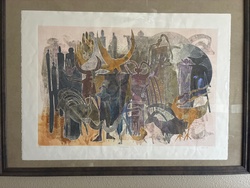
Linca oil painting

AI analysis below

AI appraisal

AI analysis & estimate

AI-Generated · Verify before acting

Everything below is generated by AI for informational purposes only. AI can make mistakes — the AI may misidentify items or misattribute them (artist, maker, brand, designer, origin, era). This is not an official valuation and should not be used for insurance, sale, tax, estate, legal, or lending purposes — or any decision requiring a certified appraisal. It is not an authoritative claim about any person, brand, or rights holder — do not share or rely on it as a factual statement about a third party. Always consult qualified professionals before making financial decisions.

Note

This analysis also relies on unverified notes provided by the user, which may be incomplete or inaccurate and could affect the result.

Read the full disclaimer

AI Identification

·Not independently authenticated·Verify before acting

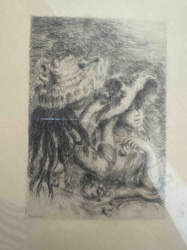
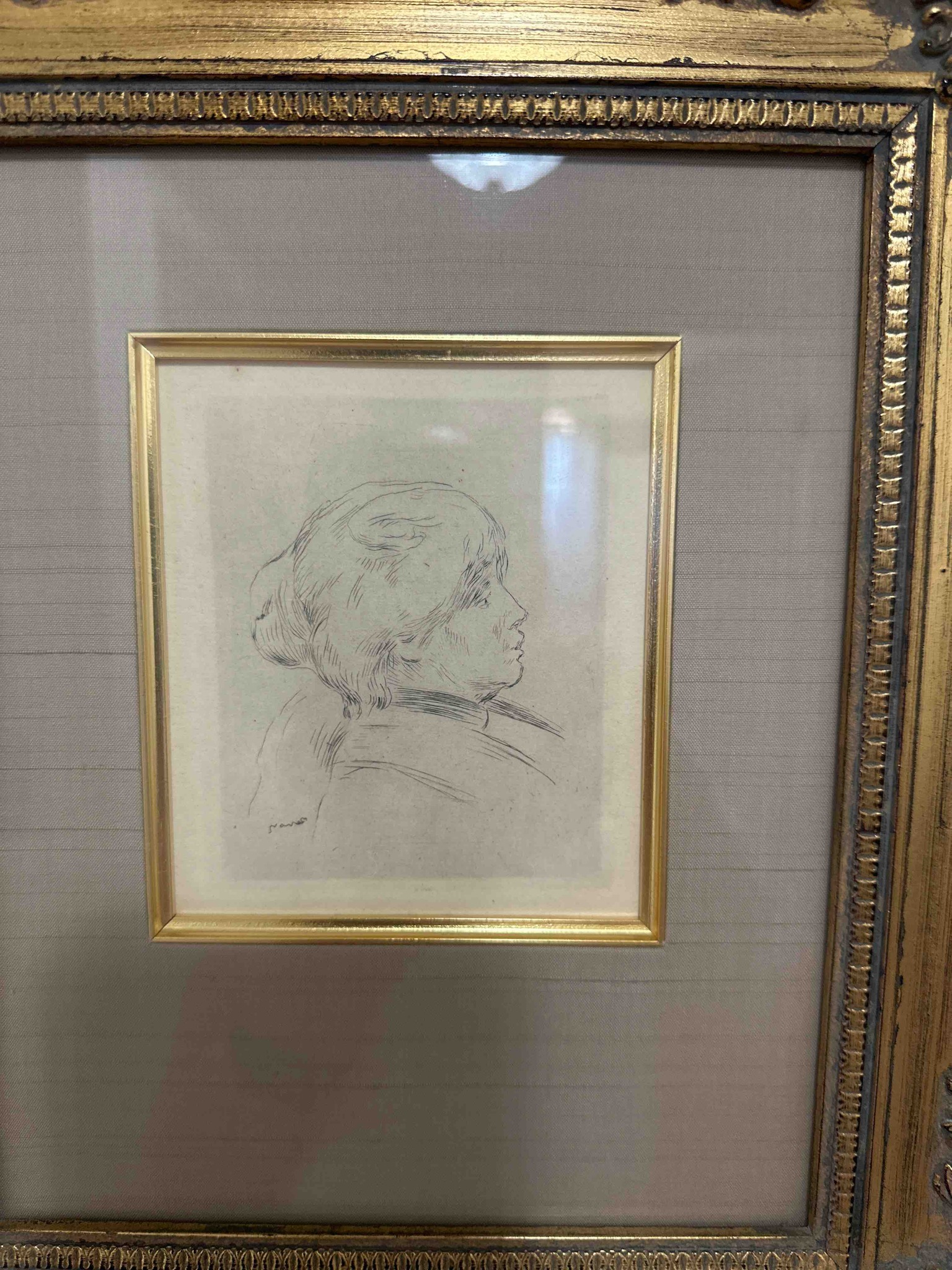
Pierre-Auguste Renoir 'Claude Renoir, la Tête Baissée' Etching

Fine Art - Prints & Multiples

AI Estimated Value

·Not an official valuation·Verify before acting

$1,500 - $2,500

As of May 25, 2026

AI Item Analysis

·AI can make mistakes·Verify before acting
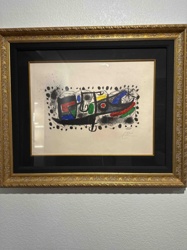
This item is an original etching on paper, identified as 'Claude Renoir, la Tête Baissée' (Claude Renoir, Head Lowered) by the renowned French Impressionist artist Pierre-Auguste Renoir, circa 1904. The artwork depicts a profile portrait of the artist's son, Claude, executed with delicate, flowing lines characteristic of Renoir's late graphic style. The etching is printed in black ink on off-white or cream-toned paper. A visible stamped or plate-signed signature 'Renoir' is located in the lower-left corner of the image area. The paper exhibits a slight even toning consistent with age, but no major foxing or tears are immediately visible from the front. The piece is housed in an elaborate, high-quality presentation including a gold-leafed inner fillet, a wide silk-wrapped mat in a muted grey-taupe hue, and a substantial secondary gilded wood frame. The outer frame features ornate neoclassical beaded and cove moldings with visible distressing and a rich gold-leaf patina. The craftsmanship of the framing suggests a mid-to-late 20th-century professional gallery mounting, designed to protect and elevate the delicate paper work. The overall condition appears excellent for a work of this period, retaining sharp line definition and clean margins within the matting.
AI Appraisal Report

·AI can make mistakes·Verify before acting
I have conducted a visual examination of the etching 'Claude Renoir, la Tête Baissée' by Pierre-Auguste Renoir, circa 1904. The work exhibits the delicate, luminous line work characteristic of Renoir’s drypoint and etching period. The plate signature is correctly positioned, and the paper shows appropriate light oxidation and toning consistent with an early to mid-20th-century pressing. The presentation is exceptional, housed in a museum-quality gilded frame with silk matting, which adds significant decorative value and suggests a history of professional stewardship. Market demand for Renoir's graphic works remains steady, as they offer accessible entry points for collectors of Impressionist masters. This specific subject, the artist’s son, is a desirable motif. Comparables for this print typically range from $1,200 to $3,000 depending on the specific edition (e.g., the 1919 Vollard edition vs. later restrikes). The excellent state of the line definition suggests this is not a late, worn-plate impression. However, a definitive valuation is limited by the digital nature of this inspection. A physical examination is required to verify the presence of specific watermarks (such as MBM or Arches), measurement of the plate mark (approximately 145 x 120 mm), and inspection of the verso for hinges or thinning. To confirm authenticity, I would require provenance documentation or a catalogue raisonné comparison (Delteil 14; Stella 14). Scientific testing of the paper's fiber and ink composition would further validate its production date.

Get your items appraised

Instant estimates of your treasures with AI-powered appraisals

Browse More Appraisals