AI Appraisal Estimate

AI-generated estimates · not official valuations

From the user

What was submitted

Photo and notes provided by the user — not generated by AI

Submitted item photo
Submitted photo · June 1, 2026

User's notes

Doesn’t stick to strong magnet

AI analysis below

AI appraisal

AI analysis & estimate

AI-Generated · Verify before acting

Everything below is generated by AI for informational purposes only. AI can make mistakes — the AI may misidentify items or misattribute them (artist, maker, brand, designer, origin, era). This is not an official valuation and should not be used for insurance, sale, tax, estate, legal, or lending purposes — or any decision requiring a certified appraisal. It is not an authoritative claim about any person, brand, or rights holder — do not share or rely on it as a factual statement about a third party. Always consult qualified professionals before making financial decisions.

Note

This analysis also relies on unverified notes provided by the user, which may be incomplete or inaccurate and could affect the result.

Read the full disclaimer

AI Identification

·Not independently authenticated·Verify before acting

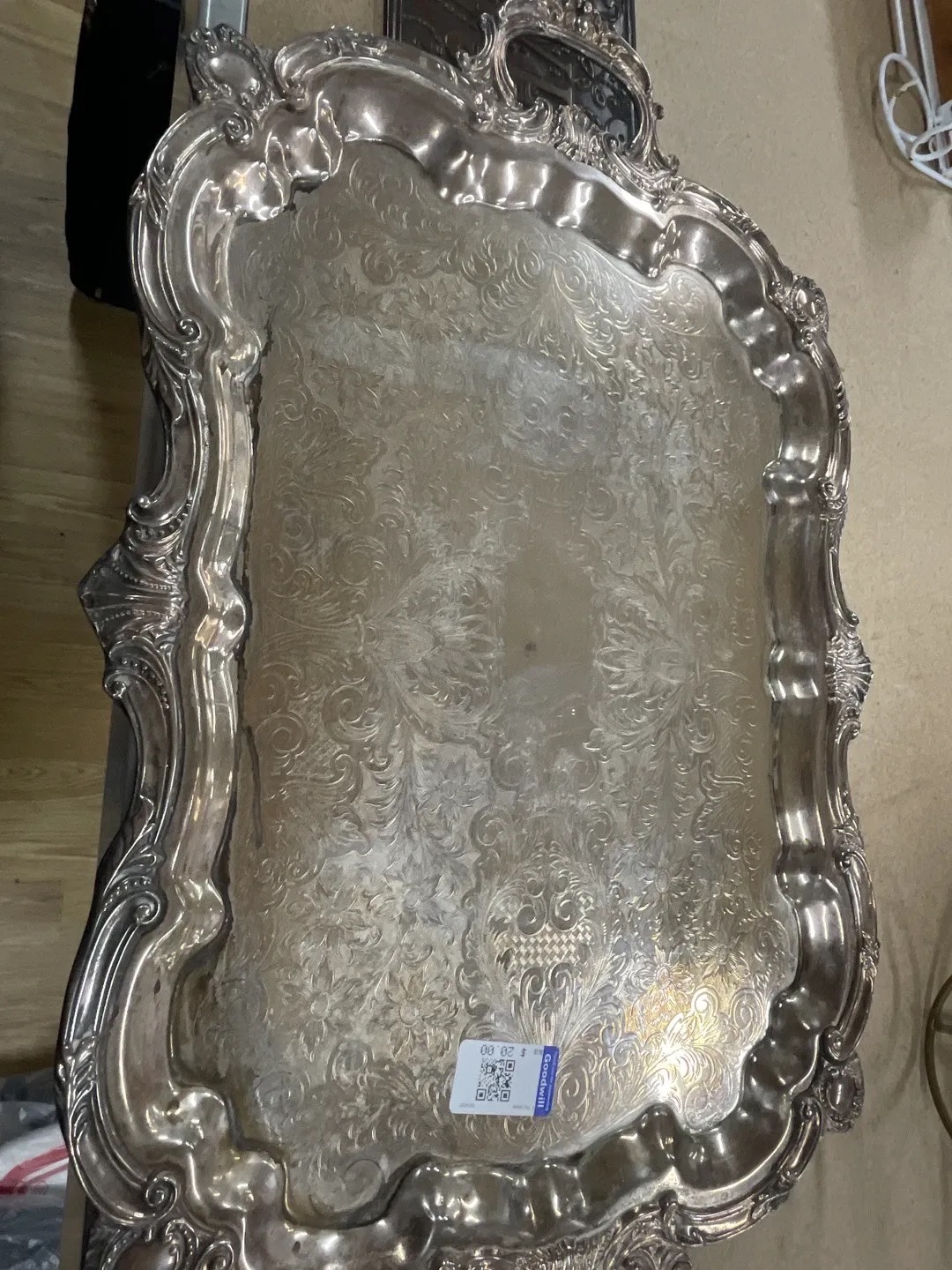
Ornate Rococo-Style Silverplated Rectangular Serving Butler Tray

Silver & Metalware / Tableware

AI Estimated Value

·Not an official valuation·Verify before acting

$45 - $85

As of June 1, 2026

AI Item Analysis

·AI can make mistakes·Verify before acting
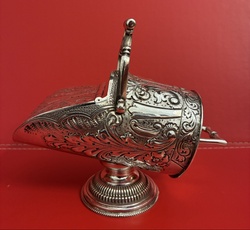
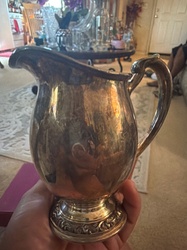
This is a large, rectangular serving butler tray featuring an ornate Rococo-revival design. The tray is constructed from a non-ferrous base metal (indicated by its non-magnetic response), likely copper or nickel silver, with a heavy silver plate finish. The flat central surface is densely decorated with elaborate chased or engraved scrolling acanthus leaves, floral motifs, and shell-like flourishes. The border is significantly raised and features a high-relief 'Chippendale' or scalloped rim with wide, molded gadrooning and shell accents at the corners and midpoints. Two integral open-work handles are cast into the short ends, featuring elegant scrolling forms for easy transport. In terms of condition, there is visible surface tarnish and significant 'bleeding' where the silver plate has worn away through repeated polishing, revealing the warm-toned base metal beneath, particularly in the center and high points of the relief. There are minor surface scratches consistent with utilitarian use and age. Based on the style and construction, this piece likely dates to the mid-20th century. While it lacks a visible maker's mark in the photograph, the quality of the casting and the density of the engraving suggest a mass-produced but high-quality decorative piece intended for formal entertaining.
AI Appraisal Report

·AI can make mistakes·Verify before acting
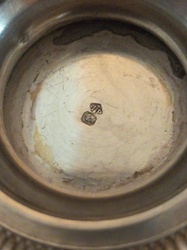
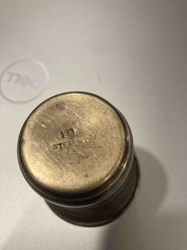
Based on my visual inspection of this Ornate Rococo-style butler tray, I have determined it to be a mid-20th-century silver-plated piece, likely manufactured in the United States or England for the mass consumer market. The lack of attraction to a magnet confirms a non-ferrous base, such as copper or nickel silver, which was standard for quality hollowware of this era. The 'bleeding' mentioned—where the base metal shows through the silver layer—indicates extensive use and cleaning over several decades. While some collectors appreciate this 'vintage' look, in the broader secondary market for silver plate, such wear significantly detracts from the value compared to pieces with intact plating. The market for silver-plated serving ware is currently saturated, as formal entertaining trends have shifted toward more casual and dishwasher-safe alternatives. This specific tray features common Rococo-revival motifs that were widely produced by companies like Sheridan, Oneida, or Reed & Barton. Without a definitive hallmarks or maker's mark, it is treated as an anonymous decorative object. Comparables for heavily worn, floral-chased trays of this size typically sell within the $40 to $90 range at estate sales or online auctions. Limitations: This appraisal is based solely on digital images and descriptions. A physical inspection would be required to rule out structural repairs or to identify faint maker's marks not visible in the photographs. To fully authenticate the age and origin, I would recommend checking the underside for specific stamps (e.g., 'EPNS' or 'EPCA') and investigating any family provenance that could link the item to a specific metropolitan retailer or manufacturer.

Get your items appraised

Instant estimates of your treasures with AI-powered appraisals

Browse More Appraisals