AI Appraisal Estimate

AI-generated estimates · not official valuations

From the user

What was submitted

Photo and notes provided by the user — not generated by AI

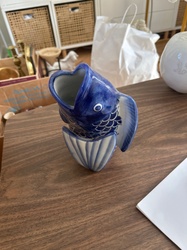
Submitted item photo
Submitted photo · May 25, 2026

User's notes

No additional notes provided.

AI analysis below

AI appraisal

AI analysis & estimate

AI-Generated · Verify before acting

Everything below is generated by AI for informational purposes only. AI can make mistakes — the AI may misidentify items or misattribute them (artist, maker, brand, designer, origin, era). This is not an official valuation and should not be used for insurance, sale, tax, estate, legal, or lending purposes — or any decision requiring a certified appraisal. It is not an authoritative claim about any person, brand, or rights holder — do not share or rely on it as a factual statement about a third party. Always consult qualified professionals before making financial decisions.

Read the full disclaimer

AI Identification

·Not independently authenticated·Verify before acting

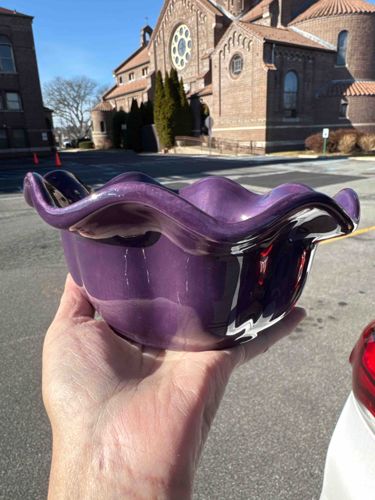
Purple Glazed Ruffled Edge Ceramic Bowl

Ceramics and Decorative Arts

AI Estimated Value

·Not an official valuation·Verify before acting

$45.00 - $75.00

As of May 25, 2026

AI Item Analysis

·AI can make mistakes·Verify before acting
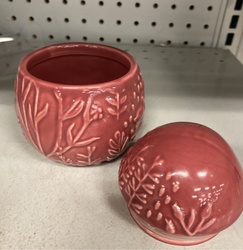
This item is a decorative mid-sized ceramic bowl, approximately 6 to 8 inches in diameter, featuring a distinctive deep purple or plum-colored glaze. The construction is characterized by a heavy, molded ceramic body with a thick-walled profile. Its most defining physical feature is the undulating, ruffled or 'crimped' rim which provides a soft, organic aesthetic. The exterior surfaces exhibit a high-gloss finish that reflects light significantly, while the shape transitions from a circular base into a fluted, lobed exterior wall. The glaze appears uniform in color but shows subtle 'crazing' or fine hairline cracks throughout the surface, which is a common occurrence in kiln-fired pottery as part of the aging process or the coefficient of thermal expansion between the clay body and the glass glaze. There are no visible maker's marks or stamps on the exposed sides, though such marks are typically located on the unglazed foot ring. The piece reflects a mid-20th-century aesthetic, possibly inspired by Art Deco or Mid-Century Modern silhouettes. Condition appears fair to good; while the gloss remains high, the visible crazing and some minor surface abrasions are present. There are no immediately apparent large chips or structural repairs. The craftsmanship indicates a mass-market production piece rather than a studio pottery unique work, yet it retains a classic decorative appeal.
AI Appraisal Report

·AI can make mistakes·Verify before acting
Based on my visual examination of the purple glazed ruffled edge ceramic bowl, I have determined it to is a mid-20th-century decorative piece, likely mass-produced between 1940 and 1960. The deep plum glaze and crimped rim are characteristic of American 'California Pottery' or similar commercial manufacturers like Haeger or Hull, though the lack of a visible maker's mark suggests a more generic production line. The condition is fair to good; the high-gloss finish remains vibrant, but the extensive surface crazing suggests significant expansion-contraction stress over time. While crazing is common in vintage ceramics, it can impact long-term structural integrity and reduces the value compared to a 'mint' specimen. The market for mid-century commercial ceramics is steady but saturated. Collectors typically look for signed pieces by known designers or specific glaze lines (e.g., Royal Haeger). Because this item appears to be an unsigned, mass-market piece, its value is derived primarily from its decorative utility rather than rarity. Similar unsigned ruffled bowls of this size and period frequently sell within the $40 to $80 range at regional auctions and vintage boutiques. Note: This appraisal is based solely on digital imagery. A physical inspection is required to check the foot ring for recessed signatures, verify the presence of 'flea bites' or hidden repairs under the glaze, and assess the clay body's weight and composition. Definitive authentication would require verifying the manufacturer via catalog archives. Scientific testing (such as lead testing for utilitarian use) and provenance documentation would be necessary to establish a more rigorous valuation for insurance purposes.

Get your items appraised

Instant estimates of your treasures with AI-powered appraisals

Browse More Appraisals