AI Appraisal Estimate

AI-generated estimates · not official valuations

From the user

What was submitted

Photo and notes provided by the user — not generated by AI

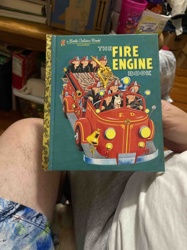
Submitted item photo
Submitted photo · June 1, 2026

User's notes

Book 1951 good condition

AI analysis below

AI appraisal

AI analysis & estimate

AI-Generated · Verify before acting

Everything below is generated by AI for informational purposes only. AI can make mistakes — the AI may misidentify items or misattribute them (artist, maker, brand, designer, origin, era). This is not an official valuation and should not be used for insurance, sale, tax, estate, legal, or lending purposes — or any decision requiring a certified appraisal. It is not an authoritative claim about any person, brand, or rights holder — do not share or rely on it as a factual statement about a third party. Always consult qualified professionals before making financial decisions.

Note

This analysis also relies on unverified notes provided by the user, which may be incomplete or inaccurate and could affect the result.

Read the full disclaimer

AI Identification

·Not independently authenticated·Verify before acting

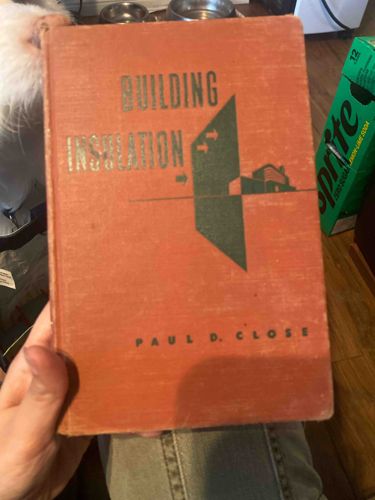
Building Insulation by Paul D. Close

Book

AI Estimated Value

·Not an official valuation·Verify before acting

$20-40

As of June 1, 2026

AI Item Analysis

·AI can make mistakes·Verify before acting
This item is a copy of the book titled "Building Insulation" authored by Paul D. Close. The book has an estimated publication year of 1951, based on the provided context. The cover is a solid reddish-orange color with gold or light-colored embossed lettering for the title "BUILDING INSULATION". Below the title, there is a prominent graphic design in dark green or black, featuring a stylized house with arrows indicating conceptual heat flow or insulation principles. The author's name, "PAUL D. CLOSE", is printed in a smaller, dark font near the bottom of the cover. The book appears to be a hardcover edition. Its physical condition is generally good, as indicated by the context, though some minor shelf wear, slight fading, and subtle scuffs are visible on the cover, consistent with its age and use. The corners and edges show minor signs of rubbing or softening. No significant tears, major stains, or damage are immediately apparent. The binding seems intact, suggesting the pages are still well secured. The design aesthetic is typical of mid-20th-century technical or educational books, prioritizing clarity and practical illustration over elaborate ornamentation. The quality of the binding and cover material appears utilitarian, designed for durability rather than luxury.

AI Appraisal Report

·AI can make mistakes·Verify before acting
I have examined the provided image and information regarding this copy of "Building Insulation" by Paul D. Close, estimated to be from 1951. The book appears to be in good condition, consistent with its age. I note the reddish-orange hardcover with gold or light-colored embossed lettering and the distinctive dark green/black stylized house graphic. Minor shelf wear, slight fading, and subtle scuffs are visible on the cover, along with minor rubbing on corners and edges. The binding appears intact, suggesting general structural soundness. This is a common mid-20th-century technical book, not typically considered a collector's item in the rare book market. From a market perspective, books of this nature are not high-demand rarities. Comparables for similar technical publications from the 1950s in good condition typically fetch modest prices. Factors impacting value include its utilitarian nature and the relatively common subject matter. The primary demand would come from individuals interested in the history of building science or those seeking specific technical information from that era, rather than general book collectors. There is no significant rarity associated with this title. Without a physical inspection, I cannot verify internal condition (e.g., foxing, inscriptions, missing pages) or confirm the exact edition or print run. Provenance documentation could potentially add value if it linked the book to a prominent figure in the field, but this is unlikely for such an item. Full authentication beyond visual cues would require physical examination to confirm paper quality, binding methods, and print details against known exemplars of the first edition.

Get your items appraised

Instant estimates of your treasures with AI-powered appraisals

Browse More Appraisals