AI identification & appraisal estimate

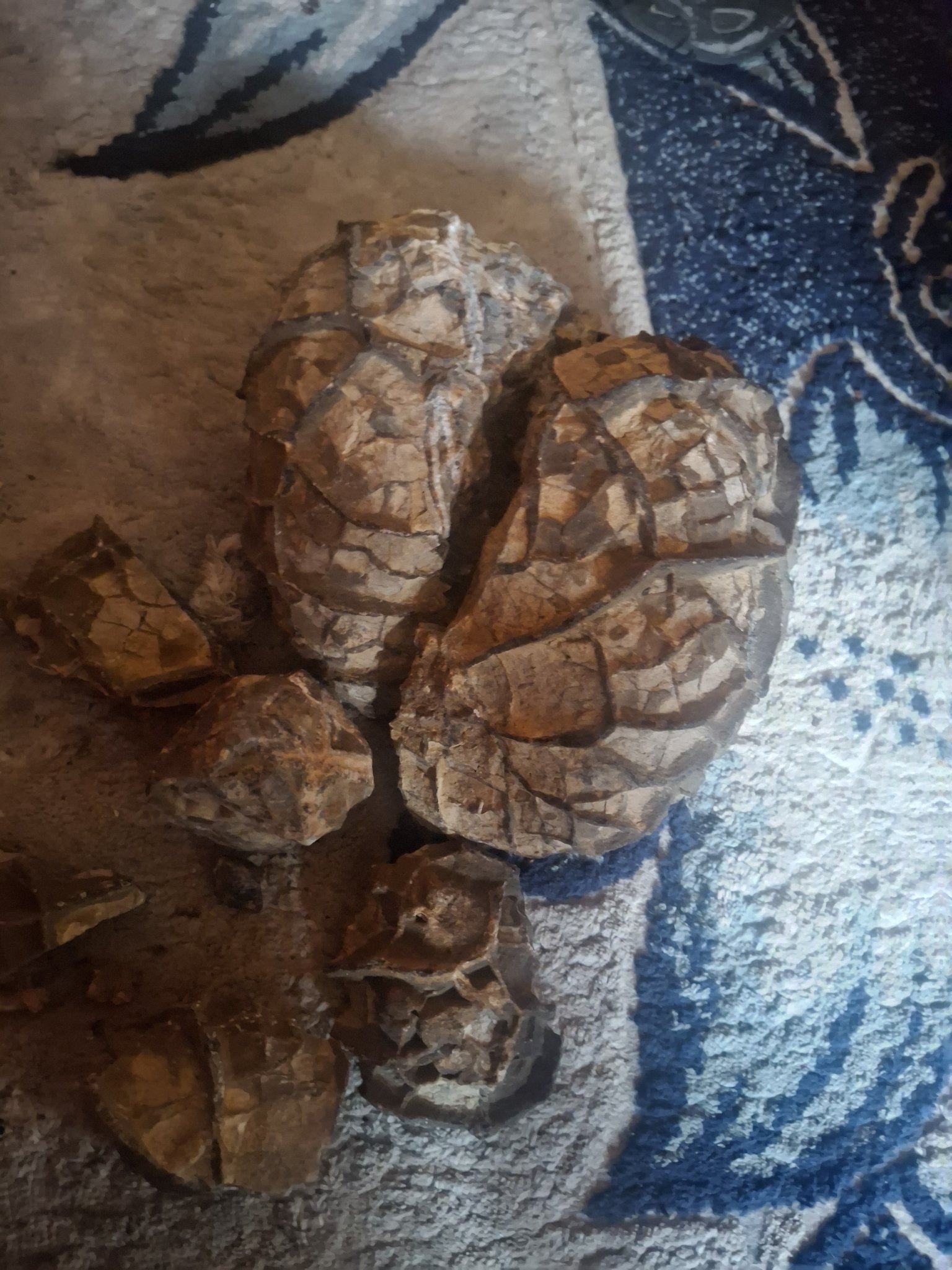
Septarian Nodule Concretion

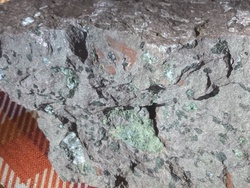
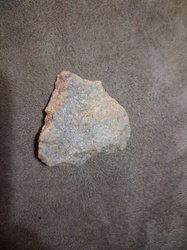
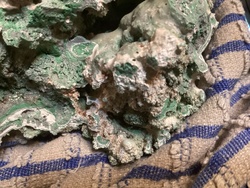
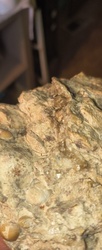
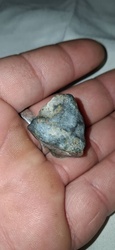
Submitted photo of Septarian Nodule Concretion
Photo submitted by the user — not generated by AI

AI Estimated Value

Not an official valuation

$150–$300

AI estimate as of November 19, 2026 · verify with a professional before acting

AI-Generated · Verify before acting

Everything on this page is generated by AI for informational purposes only. AI can make mistakes — the AI may misidentify items or misattribute them (artist, maker, brand, designer, origin, era). This is not an official valuation and should not be used for insurance, sale, tax, estate, legal, or lending purposes — or any decision requiring a certified appraisal. It is not an authoritative claim about any person, brand, or rights holder — do not share or rely on it as a factual statement about a third party. Always consult qualified professionals before making financial decisions.

Read the full disclaimer

AI Item Analysis

This specimen appears to be a septarian nodule, also known colloquially as a turtle stone or dragon stone, resting upon a patterned textile surface. The object exhibits a bulbous, rounded overall morphology that has fractured into several distinct pieces, displaying a natural process of internal cracking and subsequent mineral filling. The exterior and exposed surfaces feature a complex network of intersecting cracks, or septaria, filled with brownish-yellow crystalline material, likely calcite, which contrasts against the darker, more earthy greyish-brown mudstone matrix. The texture is rough and uneven, with visible weathering and natural wear that emphasize the geometric compartmentalization across the domed surfaces. There are no legible maker's marks, stamps, or human-made signatures visible in the photograph, as this is a naturally occurring geological specimen. The visual characteristics, specifically the distinct network of calcite-filled shrinkage cracks dividing the concretion into angular segments, are consistent with septarian nodules formed in sedimentary environments during prehistoric periods, though the exact geological formation, age, and location of origin remain unverified without physical testing and provenance analysis. The quality and pattern of the crystalline infill indicate a natural specimen of decorative geological interest.
AI Appraisal Report

Based on what I can see in the photograph, the specimen appears to be a natural septarian nodule, displaying a rounded morphology and a network of brownish-yellow crystalline material, likely calcite, filling internal shrinkage cracks within an earthy greyish-brown mudstone matrix. However, I cannot verify the exact mineral composition, geological age, or precise geographic origin from a photo alone, as would need physical inspection and geological testing. Assuming this hypothesis of identification is correct, similar decorative septarian nodule specimens of comparable size and visual appeal generally trade within the $150–$300 range in the current market, driven by collector and interior decorator demand for unique natural geological formations. If physical inspection were to reveal that this piece is a synthetic replica, imitation, or heavily altered matrix, the value would decrease significantly, typically dropping to a nominal decorative level of $25–$50. To establish a more precise evaluation and fully ascertain the nature and quality of the crystalline infill, an in-person examination by a qualified mineralogist or gemologist would be necessary.

Keep exploring

More minerals and fossils appraisals

Get your items appraised

Instant AI-powered appraisal estimates from a photo

Browse More Appraisals