AI Appraisal Estimate

AI-generated estimates · not official valuations

From the user

What was submitted

Photo and notes provided by the user — not generated by AI

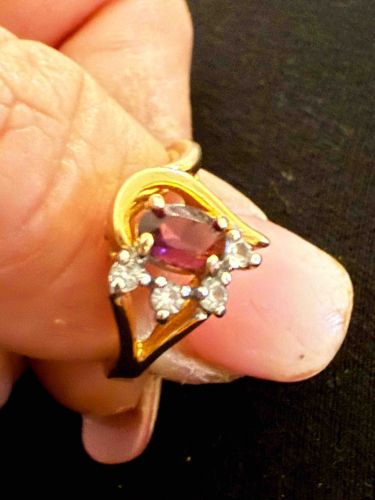
Submitted item photo
Submitted photo · June 6, 2026

User's notes

Marked: Taiwan , 14KGF

AI analysis below

AI appraisal

AI analysis & estimate

AI-Generated · Verify before acting

Everything below is generated by AI for informational purposes only. AI can make mistakes — the AI may misidentify items or misattribute them (artist, maker, brand, designer, origin, era). This is not an official valuation and should not be used for insurance, sale, tax, estate, legal, or lending purposes — or any decision requiring a certified appraisal. It is not an authoritative claim about any person, brand, or rights holder — do not share or rely on it as a factual statement about a third party. Always consult qualified professionals before making financial decisions.

Note

This analysis also relies on unverified notes provided by the user, which may be incomplete or inaccurate and could affect the result.

Read the full disclaimer

AI Identification

·Not independently authenticated·Verify before acting

Amethyst and Cubic Zirconia Marquise Ring

Jewelry

AI Estimated Value

·Not an official valuation·Verify before acting

$25 - $45

As of June 6, 2026

AI Item Analysis

·AI can make mistakes·Verify before acting
This item is a ladies' cocktail ring, likely from the late 20th century, featuring a marquise-cut central stone surrounded by smaller round accent stones, set in a gold-filled band. The central gemstone appears to be an amethyst, exhibiting a vibrant purple hue. It is securely held by four gold-toned prongs. Flanking the central stone are six smaller, round faceted stones, three on each side, which appear to be cubic zirconia or similar diamond simulants, set in a cluster arrangement with white metal prongs. The band itself is a warm gold color, likely 14K Gold-Filled (14KGF) as indicated by the provided marking. The design of the band gracefully sweeps up and around the central setting, creating an elegant, flowing silhouette. The craftsmanship appears to be commercial grade, typical of fashion jewelry from its era. The ring is marked 'Taiwan', indicating its place of manufacture. The '14KGF' marking confirms the gold content as gold-filled, a layer of 14-karat gold mechanically bonded to a base metal, rather than solid gold. Visible condition issues are minimal; the metal surfaces show some light wear consistent with use, and the stones appear intact. The gold-filled nature suggests a balance between aesthetic appeal and affordability, a common characteristic of pieces from Taiwan during the specified period. The overall appearance is eye-catching and designed to provide a luxurious look without the cost of solid gold and natural diamonds.
AI Appraisal Report

·AI can make mistakes·Verify before acting
Upon examining this ladies' cocktail ring, my assessment places it within the late 20th-century fashion jewelry category. The piece features a central marquise-cut stone, visually consistent with an amethyst, flanked by six round accent stones that appear to be cubic zirconia. The setting is 14K Gold-Filled (14KGF), as indicated by the marking, over a base metal, and manufactured in Taiwan. The overall condition is good, showing only light surface wear commensurate with its age and intended use as costume jewelry. The craftsmanship is of a commercial grade, typical for mass-produced items from this era. The current market for vintage gold-filled fashion jewelry is relatively modest. While the design is eye-catching, the materials—amethyst (a semi-precious stone), cubic zirconia, and gold-filled metal—place its value in the accessible costume jewelry tier. The '14KGF' and 'Taiwan' markings are key factors that significantly impact the value, differentiating it from fine jewelry made of solid gold and natural diamonds. Comparable pieces of similar style, materials, and origin are readily available in online marketplaces and vintage shops, influencing a competitive but low price point. Demand is primarily driven by buyers seeking affordable, retro-style costume pieces rather than fine jewelry collectors. It is important to note the limitations of an appraisal based on images alone. While the central stone appears to be amethyst, definitive identification would require in-person gemological testing to distinguish it from synthetic amethyst or glass. Similarly, the accent stones are presumed to be cubic zirconia, but this cannot be confirmed without testing. A physical examination would allow for verification of all markings and a more thorough assessment of the setting's integrity and wear.
Get your items appraised

Instant estimates of your treasures with AI-powered appraisals

Browse More Appraisals