AI Appraisal Estimate

AI-generated estimates · not official valuations

From the user

What was submitted

Photo and notes provided by the user — not generated by AI

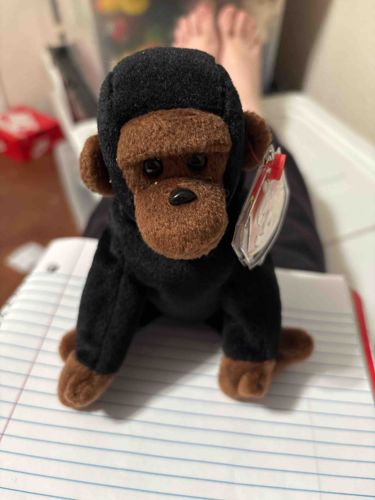
Submitted item photo
Submitted photo · June 9, 2026

User's notes

Congo monkey beanie baby 1996 PVC pellets MJNT CONDITION TAG

AI analysis below

AI appraisal

AI analysis & estimate

AI-Generated · Verify before acting

Everything below is generated by AI for informational purposes only. AI can make mistakes — the AI may misidentify items or misattribute them (artist, maker, brand, designer, origin, era). This is not an official valuation and should not be used for insurance, sale, tax, estate, legal, or lending purposes — or any decision requiring a certified appraisal. It is not an authoritative claim about any person, brand, or rights holder — do not share or rely on it as a factual statement about a third party. Always consult qualified professionals before making financial decisions.

Note

This analysis also relies on unverified notes provided by the user, which may be incomplete or inaccurate and could affect the result.

Read the full disclaimer

AI Identification

·Not independently authenticated·Verify before acting

Ty Beanie Baby - Congo the Gorilla (1996)

Collectible Plush Toys

AI Estimated Value

·Not an official valuation·Verify before acting

$10.00 - $25.00

As of June 9, 2026

AI Item Analysis

·AI can make mistakes·Verify before acting
This is a Ty Beanie Baby known as 'Congo' the Gorilla, originally introduced in June 1996 and retired in 1998. The plush features a biphasic color scheme consisting of deep black polyester fur on the body and head, contrasted with a warm brown short-pile fabric on the face, ears, hands, and feet. It is constructed with black plastic safety eyes and a small black plastic nose. The item is filled with PVC pellets, which is a key indicator of its early manufacturing period (later versions typically used PE pellets). The item appears in excellent condition, often referred to as 'Mint Condition' in the hobby, with no visible signs of fading, fabric thinning, or seam separation. One of the most significant valuation features is the presence of the original heart-shaped 'swing tag' attached to the left ear, which is preserved inside a clear plastic protective case. The tag appears crisp with no visible creasing or sun damage. This specific model represents the fourth-generation heart tag and fourth-generation tush tag era of Ty production. The craftsmanship is consistent with late 1990s mass-market plush toys, showing tight stitching and symmetrical facial features.
AI Appraisal Report

·AI can make mistakes·Verify before acting
I have examined the digital representation and description of 'Congo' the Gorilla (introduced 1996). The specimen appears to be in exceptional 'Mint' condition, featuring vibrant black and brown textiles with no evidence of UV-induced fading or particulate accumulation. The presence of PVC pellets and a 4th-generation swing tag confirms this is an earlier production run versus the later PE pellet iterations, which is a desirable trait for collectors seeking era-specific manufacturing. In the current secondary market, specifically across major auction platforms, 'Congo' is a high-volume, mass-produced item. While many online listings suggest exorbitant 'rare error' values in the thousands, realized sale prices for this specific generation typically range between $10 and $25. The abundance of this model prevents significant scarcity-based appreciation. Factors supporting the higher end of this range include the preserved state of the swing tag and the lack of 'tush tag' wear. However, I must note that my assessment is limited by the digital nature of this inspection. A physical examination is required to verify the tactile density of the PVC pellets, ensure no synthetic odors or internal mold are present, and confirm the authenticity of the holographic elements on the tush tag. I would also need to verify the tag's inner font and spacing via a high-magnification lens to rule out counterfeit tags, which were prevalent during the late 1990s. Without physical handling to confirm fabric 'hand-feel' and weight, this remains a preliminary valuation based on visual indicators of condition.

Get your items appraised

Instant estimates of your treasures with AI-powered appraisals

Browse More Appraisals