AI Appraisal Estimate

AI-generated estimates · not official valuations

From the user

What was submitted

Photo and notes provided by the user — not generated by AI

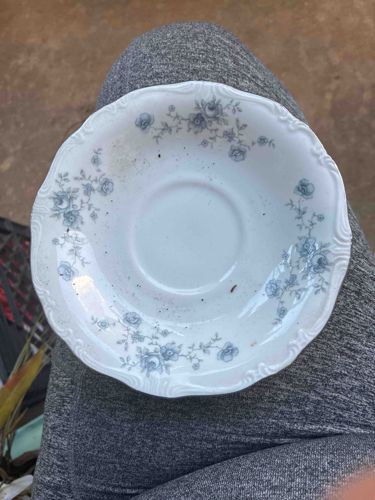
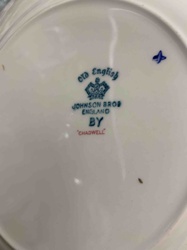
Submitted item photo
Submitted photo · June 6, 2026

User's notes

No additional notes provided.

AI analysis below

AI appraisal

AI analysis & estimate

AI-Generated · Verify before acting

Everything below is generated by AI for informational purposes only. AI can make mistakes — the AI may misidentify items or misattribute them (artist, maker, brand, designer, origin, era). This is not an official valuation and should not be used for insurance, sale, tax, estate, legal, or lending purposes — or any decision requiring a certified appraisal. It is not an authoritative claim about any person, brand, or rights holder — do not share or rely on it as a factual statement about a third party. Always consult qualified professionals before making financial decisions.

Read the full disclaimer

AI Identification

·Not independently authenticated·Verify before acting

Vintage Floral Patterned Ceramic Saucer

Dinnerware / Collectible Ceramic

AI Estimated Value

·Not an official valuation·Verify before acting

$5-15

As of June 6, 2026

AI Item Analysis

·AI can make mistakes·Verify before acting
This item is a white ceramic or porcelain saucer, specifically designed for holding a tea or coffee cup, as indicated by the recessed circular area in its center. The saucer features a scalloped edge with a raised, scroll-like or foliate-patterned border, adding a decorative element to its form. The main body of the saucer is adorned with a delicate floral motif in a muted blue or grayish-blue color. This pattern consists of small rose-like blossoms and accompanying leaves, distributed around the perimeter of the saucer's flat surface. The overall color palette suggests a vintage or antique aesthetic, possibly from the mid-20th century or earlier, given the soft blue floral design on a classic white background. The surface appears to have some visible dust, specks of dirt, and possibly minor scuff marks or surface wear consistent with age and use. There are no discernible chips, cracks, or significant damage visible from this angle, though a thorough inspection would be required to confirm overall integrity. The craftsmanship appears to be of standard quality for mass-produced dinnerware of its era, characterized by decorative molding and transfer-printed or hand-painted patterns. Further identifying marks, typically on the underside, would be necessary to determine the manufacturer, specific pattern name, and precise age.
AI Appraisal Report

·AI can make mistakes·Verify before acting
I have examined the image provided of this Vintage Floral Patterned Ceramic Saucer. Based on my visual assessment, the saucer appears to be in good, albeit used, condition. There are no readily apparent chips or cracks, which is positive for its value. I note the presence of dust and minor surface wear, indicative of age and typical use, but these do not seem to significantly detract from its aesthetic appeal. The scalloped edge with its raised, foliate pattern and the muted blue floral motif on a white background strongly suggest a mid-20th century or possibly late 19th/early 20th century origin. This style aligns with mass-produced dinnerware from that period. In terms of market conditions, single saucers rarely command high values unless they are part of a highly sought-after, rare pattern or from a prestigious manufacturer. Comparables for standalone vintage saucers, even in good condition, typically range from a few dollars to perhaps $15-20. The demand for individual saucers is generally low unless completing a set or replacing a broken piece. Rarity is not a significant factor here; this type of floral pattern was common. Factors that limit value include its commonality, the fact it's a single saucer, and the lack of manufacturer's marks which would prevent precise identification and provenance verification. My primary limitation in authenticating and valuing this item solely from the image is the absence of clear maker’s marks, typically found on the underside. Without these, determining the manufacturer, specific pattern name, and precise age is impossible. An in-person examination would allow for tactile inspection, assessment of the ceramic body's quality (e.g., porcelain vs. earthenware), and closer examination for hairline cracks or repairs not visible in the image. Provenance documentation, if available, could also enhance its value. Scientific testing is generally not applied to common dinnerware of this type but could definitively date the ceramic if it warranted such an investment.

Get your items appraised

Instant estimates of your treasures with AI-powered appraisals

Browse More Appraisals