AI Appraisal Estimate

AI-generated estimates · not official valuations

From the user

What was submitted

Photo and notes provided by the user — not generated by AI

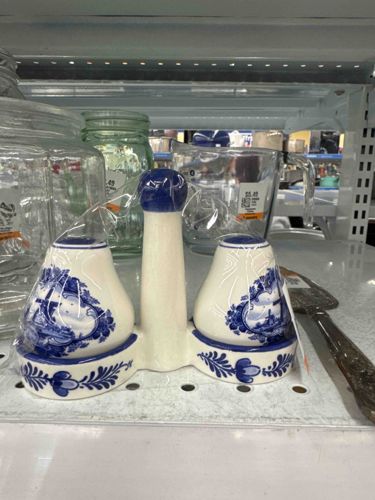
Submitted item photo
Submitted photo · June 26, 2026

User's notes

No additional notes provided.

AI analysis below

AI appraisal

AI analysis & estimate

AI-Generated · Verify before acting

Everything below is generated by AI for informational purposes only. AI can make mistakes — the AI may misidentify items or misattribute them (artist, maker, brand, designer, origin, era). This is not an official valuation and should not be used for insurance, sale, tax, estate, legal, or lending purposes — or any decision requiring a certified appraisal. It is not an authoritative claim about any person, brand, or rights holder — do not share or rely on it as a factual statement about a third party. Always consult qualified professionals before making financial decisions.

Read the full disclaimer

AI Identification

·Not independently authenticated·Verify before acting

Vintage Delft Blue Style Salt and Pepper Shaker Set with Holder

Collectibles - Ceramics & Pottery

AI Estimated Value

·Not an official valuation·Verify before acting

$15.00-$25.00

As of June 26, 2026

AI Item Analysis

·AI can make mistakes·Verify before acting
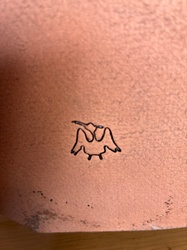
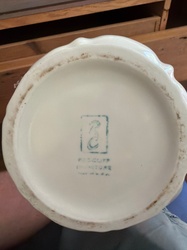
This is a vintage earthenware salt and pepper shaker set resting on a double-welled caddy with a central carrying handle. The set is executed in the traditional Delft Blue (Delfts Blauw) style, featuring monochromatic cobalt blue hand-painted or transferware decoration on a glossy white/cream glazed ceramic body. The shakers are pear-shaped (bulbous at the bottom and tapering toward the top) and feature a classic Dutch windmill scene within a foliate border. The holder base is decorated with stylized blue floral and scroll patterns, and the central pillar is topped with a solid blue rounded finial. Based on the craftsmanship and materials, this appears to be a mid-to-late 20th-century souvenir or household set. The glaze shows a high degree of luster with some minor crazing visible under close inspection, which is common for earthenware of this age. There are no major chips or cracks visible, although some surface scratching and shelf wear on the bottom of the base are expected. The items are bundled in clear plastic wrap, likely for retail display in a thrift or antique setting. While no specific maker's mark is visible from this angle, pieces of this style often carry stamps indicating 'Handpainted' or 'Delft Blue' from various Dutch or Japanese manufacturers.
AI Appraisal Report

·AI can make mistakes·Verify before acting
I have carefully examined the provided images of this Delft-style salt and pepper shaker set with its accompanying caddy. The set displays the hallmark characteristics of mid-to-late 20th-century Dutch tourism or export ware. The monochromatic cobalt blue decoration, featuring the iconic windmill motif, appears to be an application of high-quality transferware rather than free-hand artistry, which is typical for commercial souvenir production of this era. The glaze displays significant luster, though visible crazing points to the natural aging of the porous earthenware body. Market conditions for mid-century Delft-style kitchenalia are stable but heavily saturated. These items were produced in massive quantities by various manufacturers in the Netherlands and Japan (often labeled 'Delft Blue' or 'Handpainted'). Historically, these sets lack the rarity of 18th-century tin-glazed earthenware or pieces from 'De Porceleyne Fles.' Current demand is driven primarily by casual collectors of blue-and-white ceramics or vintage kitchen decor rather than high-end investors. The item's value is constrained by its utility-grade production and the high availability of similar sets on secondary markets like eBay or Etsy, where they frequently sell for under $30. While the condition appears 'Excellent' with no chips or cracks visible through the plastic wrap, the presence of the wrap hinders an assessment of the shakers' undersides for manufacturer marks. A full authentication would require physical inspection to check for specific factory stamps (e.g., Regina, Zenith, or Royal Goedewaagen), verifying if the decoration is hand-painted under a loupe, and documenting original purchase provenance to distinguish it from modern mass-market replicas.

Get your items appraised

Instant estimates of your treasures with AI-powered appraisals

Browse More Appraisals