AI identification & appraisal estimate

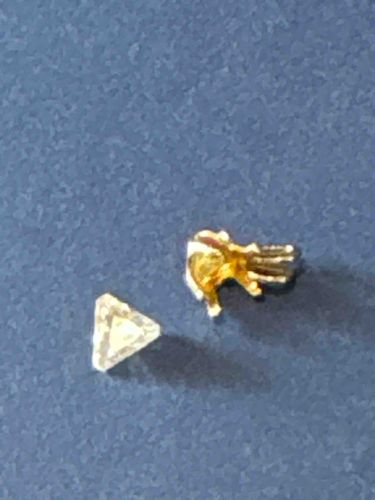
Triangular-Cut Diamond and Gold Pendant Setting

Submitted photo of Triangular-Cut Diamond and Gold Pendant Setting
Photo submitted by the user — not generated by AI

User's notes

Diamond with pendant

These notes were written by the person who submitted this item. Appraiser.AI has not verified them, and the AI's identification and estimate may rely on them.

AI Estimated Value

Not an official valuation

$450 - $650

AI estimate as of August 10, 2025 · verify with a professional before acting

AI-Generated · Verify before acting

Everything on this page is generated by AI for informational purposes only. AI can make mistakes — the AI may misidentify items or misattribute them (artist, maker, brand, designer, origin, era). This is not an official valuation and should not be used for insurance, sale, tax, estate, legal, or lending purposes — or any decision requiring a certified appraisal. It is not an authoritative claim about any person, brand, or rights holder — do not share or rely on it as a factual statement about a third party. Always consult qualified professionals before making financial decisions.

This analysis also relies on unverified notes provided by the user, which may be incomplete or inaccurate and could affect the result.

Read the full disclaimer

AI Item Analysis

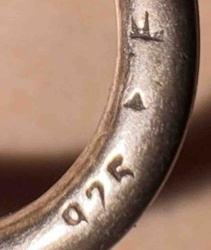
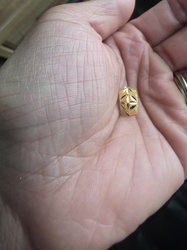
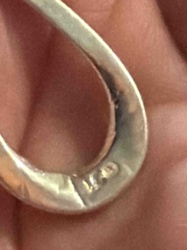
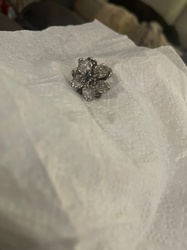
The image displays two distinct jewelry components: a loose triangular-cut diamond and a gold-toned pendant or bail. The diamond is a brilliant, triangular (trillion or trilliant) cut stone, exhibiting a light yellowish tint, suggesting a color grade typically in the G-J range. Its facets are visible, reflecting light unevenly due to the low-resolution image, but betraying no obvious chips or large inclusions. The size appears relatively small, suitable for a pendant or accent stone. The metallic component is a gold-colored pendant or bail, designed to hold a gemstone. It features a basket-like setting with a V-shaped or pointed prong structure, clearly intended to secure a triangular stone like the one shown. The metal exhibits a warm, polished yellow hue, consistent with gold or gold-plated material, and shows some reflections, indicating a smooth surface. There are no visible maker's marks or stamps on either component. The overall condition appears good, with no obvious signs of significant wear, tarnish, or damage. The pieces are distinct and separate, suggesting they are either awaiting assembly or have been disassembled. Given the components, it likely dates from the latter half of the 20th century to the present, as trillion cuts became more popular. The craftsmanship appears standard for commercial jewelry, offering a clean, functional setting for the stone.
AI Appraisal Report

Upon examination of the provided image, I have assessed the two separate jewelry components: a loose triangular-cut diamond and a yellow gold pendant setting. The diamond appears to be a modern trillion cut, likely weighing between 0.25 and 0.40 carats, with a visible light yellowish tint suggesting a near-colorless to faint yellow grade (approximately G-J range). From the image, its clarity appears to be in the SI (Slightly Included) range, though this is difficult to confirm without magnification. The accompanying V-prong basket setting is crafted from a yellow metal, presumably 14k or 18k gold given the design's standard commercial quality. Both components appear to be in good, unused or disassembled condition with no visible damage. The current market for loose diamonds of this size and quality is stable, though they are less common than round brilliants. The value is primarily driven by the diamond's specific characteristics (the 4 Cs: Carat, Color, Clarity, Cut). The gold setting holds value based on its metal weight and craftsmanship. While the components are standard, their separate nature slightly diminishes the value compared to a finished piece, as they require skilled labor for assembly. It is crucial to note the limitations of this appraisal. Without physical inspection, I cannot definitively determine the exact carat weight, color, or clarity of the diamond. Furthermore, the metal content of the setting cannot be verified; it could be gold-plated rather than solid gold. A full, certified appraisal would require in-person gemological testing, including microscopic examination, weighing, and metal testing (e.g., acid or XRF analysis) to confirm these critical value factors.

Keep exploring

More jewelry components appraisals

Get your items appraised

Instant AI-powered appraisal estimates from a photo

Browse More Appraisals