AI identification & appraisal estimate

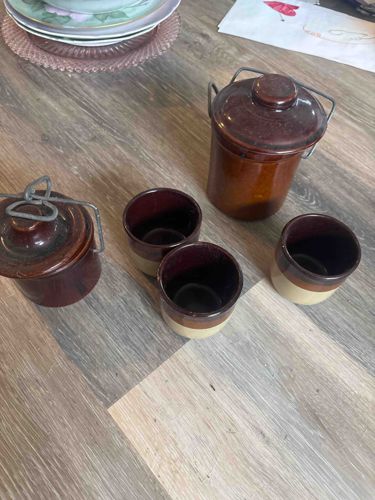
Vintage Two-Tone Brown Glaze Stoneware Crocks and Mugs Set

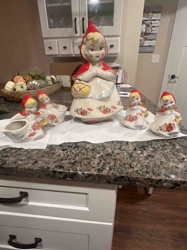
Submitted photo of Vintage Two-Tone Brown Glaze Stoneware Crocks and Mugs Set
Photo submitted by the user — not generated by AI

User's notes

Antique

These notes were written by the person who submitted this item. Appraiser.AI has not verified them, and the AI's identification and estimate may rely on them.

AI Estimated Value

Not an official valuation

$60-90

AI estimate as of July 30, 2025 · verify with a professional before acting

AI-Generated · Verify before acting

Everything on this page is generated by AI for informational purposes only. AI can make mistakes — the AI may misidentify items or misattribute them (artist, maker, brand, designer, origin, era). This is not an official valuation and should not be used for insurance, sale, tax, estate, legal, or lending purposes — or any decision requiring a certified appraisal. It is not an authoritative claim about any person, brand, or rights holder — do not share or rely on it as a factual statement about a third party. Always consult qualified professionals before making financial decisions.

This analysis also relies on unverified notes provided by the user, which may be incomplete or inaccurate and could affect the result.

Read the full disclaimer

AI Item Analysis

This set consists of two lidded crocks with bail handles and three matching open-top vessels, likely mugs or small ramekins. All pieces are made of pottery or stoneware, featuring a distinctive two-tone brown glaze. The upper portion of each piece, including the lids and the main body of the crocks, is finished in a rich, dark reddish-brown glaze, possibly a 'Rockingham brown' type glaze, which has a glossy or semi-glossy sheen. The lower section of the three smaller vessels, and presumably the base of the two larger crocks although not fully visible, is left in an unglazed or lightly glazed natural buff or cream color, providing a strong visual contrast. The crocks are cylindrical with slightly tapered sides and have fitted lids with central knob handles. Each crock is equipped with a wire bail handle, likely made of galvanized steel or iron, attached via two small loops or ears on the upper rim of the crock body. These bail handles show some signs of age consistent with their material and function, possibly with minor surface rust or wear. The overall condition appears good for their age, with no apparent large chips or cracks visible in the provided image, though minor imperfections like crazing in the glaze or small scuffs might be present upon closer inspection. The style, characterized by the two-tone utility stoneware, suggests a mid-20th century or earlier origin, commonly used for food storage, baking, or serving. The craftsmanship appears robust and functional, typical of utilitarian pottery designed for durability.
AI Appraisal Report

Upon examining the images of this five-piece, two-tone stoneware set, my assessment is that it represents a fine example of mid-20th century American utilitarian pottery. The set, comprising two lidded crocks with bail handles and three matching mugs, features a classic Rockingham-style dark brown glaze on the upper portions, contrasting with the unglazed buff-colored bases. The overall condition appears to be very good for utilitarian pieces of this vintage, with no significant chips or cracks visible in the photographs. The wire bail handles exhibit age-appropriate patina, which is consistent with the stated antique or vintage nature of the items. Market value for such stoneware is steady, appealing to collectors of antique kitchenware and those seeking rustic home decor. Comparable sets from makers like McCoy, Red Wing, or other Ohio Valley potteries range from $10 to $25 per piece, depending on condition and maker's marks. This set's value is enhanced by its completeness and matching design. Rarity is moderate; while individual pieces are common, complete, well-preserved sets are less so. The primary value driver here is the set's decorative and functional appeal. Without a physical inspection, I cannot confirm the presence of a maker's mark, which could significantly increase value. Full authentication would require in-person examination to check for maker's marks, crazing, and any hidden damage, which could alter the final valuation.

Keep exploring

More kitchenware appraisals

Get your items appraised

Instant AI-powered appraisal estimates from a photo

Browse More Appraisals