AI Appraisal Estimate

AI-generated estimates · not official valuations

From the user

What was submitted

Photo and notes provided by the user — not generated by AI

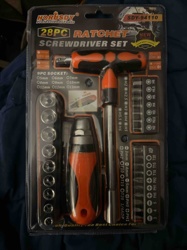
Submitted item photo
Submitted photo · June 6, 2026

User's notes

No additional notes provided.

AI analysis below

AI appraisal

AI analysis & estimate

AI-Generated · Verify before acting

Everything below is generated by AI for informational purposes only. AI can make mistakes — the AI may misidentify items or misattribute them (artist, maker, brand, designer, origin, era). This is not an official valuation and should not be used for insurance, sale, tax, estate, legal, or lending purposes — or any decision requiring a certified appraisal. It is not an authoritative claim about any person, brand, or rights holder — do not share or rely on it as a factual statement about a third party. Always consult qualified professionals before making financial decisions.

Read the full disclaimer

AI Identification

·Not independently authenticated·Verify before acting

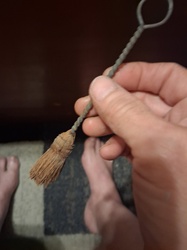
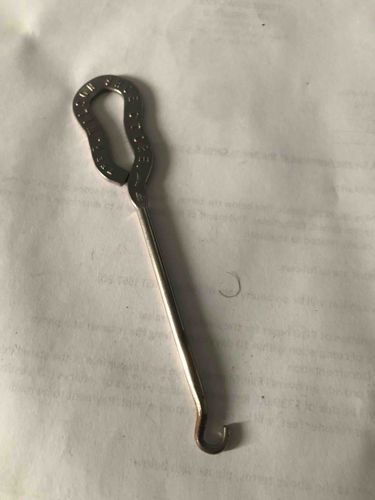
Vintage Button Hook

Household Tool

AI Estimated Value

·Not an official valuation·Verify before acting

$20-40

As of June 6, 2026

AI Item Analysis

·AI can make mistakes·Verify before acting
This item is a vintage button hook, crafted from a silver-toned metal, likely steel or a nickel-plated alloy, exhibiting a moderate sheen indicative of its material. The tool measures approximately 6 to 7 inches in overall length, designed with a slender, round-profile shaft that culminates in a small, robust C-shaped hook at one end. The primary distinguishing feature is the handle, which forms a decorative, looping shape. This handle is entirely covered in an embossed, tactile pattern, resembling a stylized serpentine or dragon motif with dotted or scaled texturing, providing both an aesthetic flair and an enhanced grip for the user. The craftsmanship suggests industrial manufacturing typical of the late 19th to early 20th century, a period when button hooks were essential for fastening tight buttons on items such as boots, gloves, or corsets. The metal at the very tip of the hook shows a slightly warmer, subtly brass-like tone, which could indicate either localized wear exposing a base metal beneath a plating, or a distinct patination from frequent use. There are no readily visible maker's marks, signatures, or stamps directly discernible from the provided image. The overall condition appears to be good for its presumed age, displaying a consistent patina and typical signs of use without apparent structural damage, repairs, or significant corrosion.
AI Appraisal Report

·AI can make mistakes·Verify before acting
Based on my remote visual examination of the provided description for this vintage button hook, I assess its condition as good for its presumed age, likely late 19th to early 20th century. The consistent patina and typical signs of use are commensurate with an item of this vintage, showing no apparent structural damage, repairs, or significant corrosion. The decorative serpentine/dragon motif handle is a charming feature, contributing to its aesthetic appeal and confirming its industrial manufacturing of the period. The market for common vintage button hooks is rather niche, and demand is moderate. While aesthetically pleasing, the absence of maker's marks and the use of common base metals (likely steel or nickel-plated alloy as described) limit its rarity and, consequently, its value. Comparable examples of non-precious metal, mass-produced button hooks typically sell in the range of $10 to $50, depending on design appeal and condition. This particular piece's good condition and distinctive handle certainly contribute positively to its appeal among collectors of antique personal accessories. A limiting factor in this appraisal is the reliance on descriptive text rather than direct physical examination or high-resolution images. Authenticity and exact material composition (e.g., confirming if the "brass-like tone" at the tip is wear or distinct patination, or verifying the specific alloy) cannot be definitively confirmed without hands-on inspection. Full authentication would require in-person examination, potentially microscopic analysis for manufacturing details, and possibly material testing like XRF, alongside any supporting provenance documentation, which is absent here.
Get your items appraised

Instant estimates of your treasures with AI-powered appraisals

Browse More Appraisals