AI Appraisal Estimate

AI-generated estimates · not official valuations

From the user

What was submitted

Photo and notes provided by the user — not generated by AI

Submitted item photo
Submitted photo · June 5, 2026

User's notes

No additional notes provided.

AI analysis below

AI appraisal

AI analysis & estimate

AI-Generated · Verify before acting

Everything below is generated by AI for informational purposes only. AI can make mistakes — the AI may misidentify items or misattribute them (artist, maker, brand, designer, origin, era). This is not an official valuation and should not be used for insurance, sale, tax, estate, legal, or lending purposes — or any decision requiring a certified appraisal. It is not an authoritative claim about any person, brand, or rights holder — do not share or rely on it as a factual statement about a third party. Always consult qualified professionals before making financial decisions.

Read the full disclaimer

AI Identification

·Not independently authenticated·Verify before acting

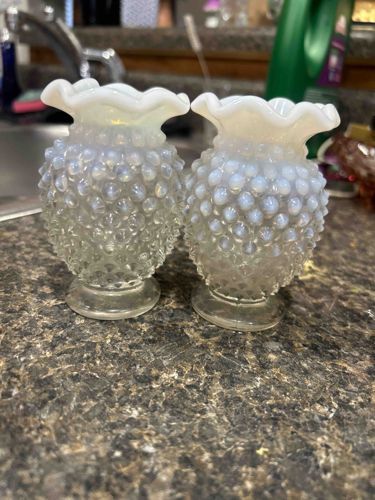
Pair of Opaline Hobnail Glass Vases

Decorative Glassware

AI Estimated Value

·Not an official valuation·Verify before acting

$75-125

As of June 5, 2026

AI Item Analysis

·AI can make mistakes·Verify before acting
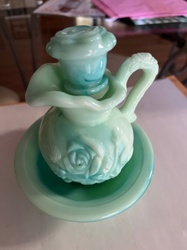
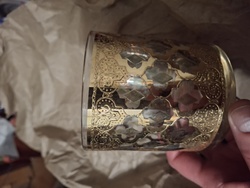
This is a pair of small opalescent glass vases, likely manufactured in the hobnail pattern. Each vase features a bulbous body covered entirely in a raised, textured hobnail (dot) pattern. The glass itself is opaline, presenting as translucent white with a beautiful iridescence, particularly noticeable where the light catches its surface. This opalescence often shifts with light conditions, sometimes appearing fiery blue or orange. The upper rim of each vase is ruffled or crimped, creating a decorative, undulating border. Below the hobnailed body, each vase tapers to a clear, circular footed base, providing stability. Based on the style and typical manufacturing techniques for hobnail glass, these pieces likely date from the late 19th to mid-20th century, with popular periods including the Victorian era for opalescent glass. There are no clear manufacturer's marks visible in the images. The condition appears good, with no obvious chips, cracks, or repairs, and a consistent level of opalescence across both pieces, suggesting they have been well-preserved. Minor wear consistent with age and use might be present but is not discernible from the provided images. The craftsmanship indicates a molded glass production method, common for hobnail patterns, with the ruffled rim likely hand-finished.
AI Appraisal Report

·AI can make mistakes·Verify before acting
I have examined the provided image of this Pair of Opaline Hobnail Glass Vases. Based on visual assessment, the condition appears good, with no discernible chips, cracks, or repairs, and consistent opalescence across both pieces. The hobnail pattern and ruffled/crimped rims are characteristic of Victorian to mid-20th century opalescent glass. Authenticity, based solely on the image, is attributed to a period glass manufacturer, but without maker's marks or provenance, definitive attribution to a specific factory (e.g., Fenton, Northwood) is not possible. In-person examination would be required to check for faint marks, pontil scars, or manufacturing imperfections indicative of specific makers and to confirm the absence of damage not visible in the photo. Market conditions for hobnail opaline glass are generally steady, particularly for attractive pairs. Comparables of similar small opalescent hobnail vases, especially in good condition, typically sell in the range of $30-$60 per single vase, sometimes more for recognized makers or exceptionally vibrant color. As a well-preserved pair, this set holds slightly higher value. Demand for decorative antique and vintage glassware remains consistent among collectors and interior decorators. Rarity is moderate; while opalescent hobnail pieces are not exceedingly rare, a matching pair in this condition is less common than single pieces. Factors impacting value include the vibrant opalescence, which appears strong in the image, and the desirable ruffled edge. The absence of specific maker identification limits the top-end value. Full authentication would benefit from physical inspection, including blacklight testing for repairs and closer examination of the glass characteristics.

Get your items appraised

Instant estimates of your treasures with AI-powered appraisals

Browse More Appraisals