AI identification & appraisal estimate

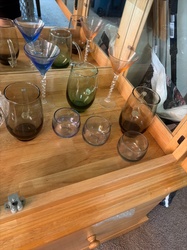
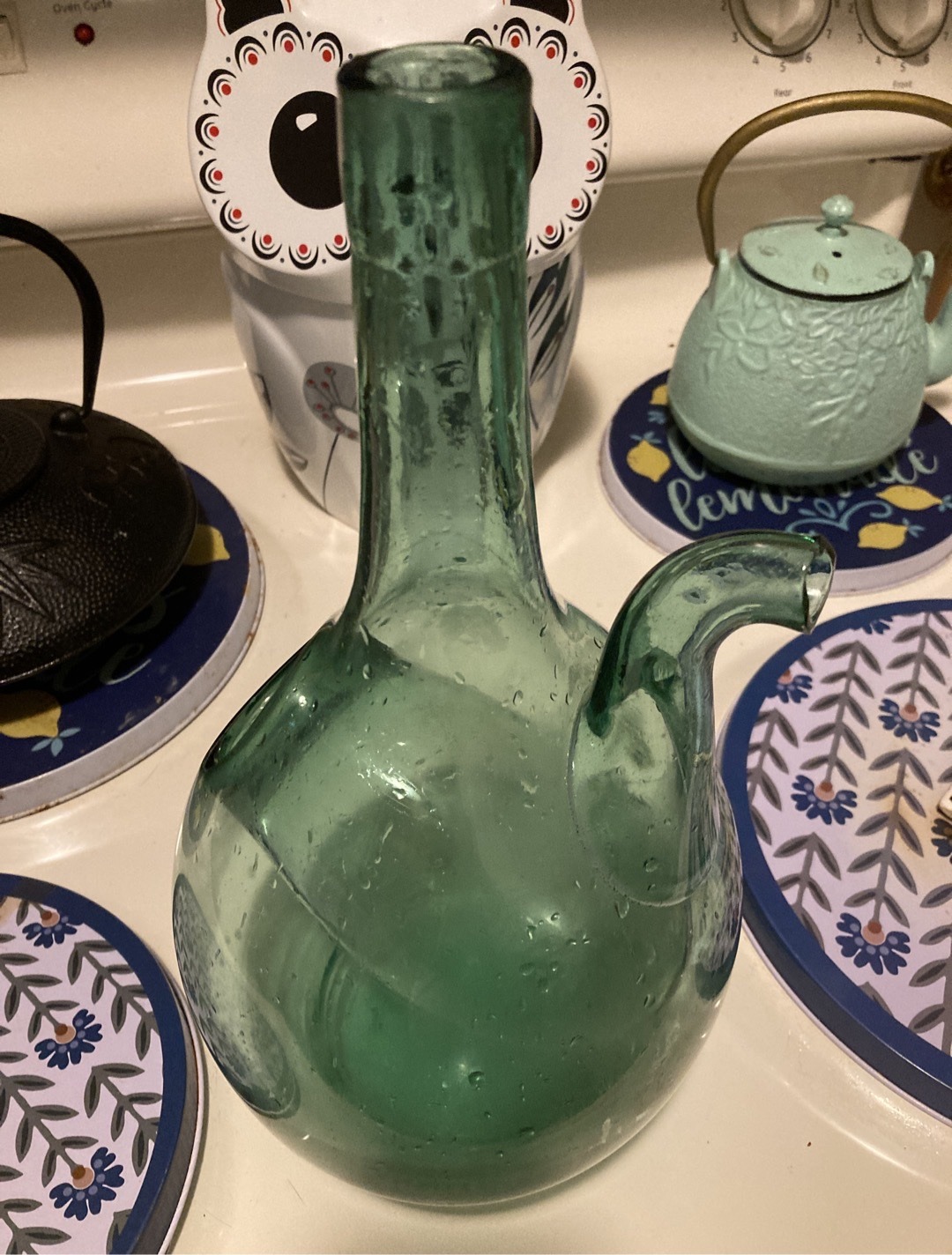
Green glass poison bottle or cruet vessel

Submitted photo of Green glass poison bottle or cruet vessel
Photo submitted by the user — not generated by AI

User's notes

has ice chamber?

These notes were written by the person who submitted this item. Appraiser.AI has not verified them, and the AI's identification and estimate may rely on them.

AI Estimated Value

Not an official valuation

$100-$250

AI estimate as of September 20, 2026 · verify with a professional before acting

AI-Generated · Verify before acting

Everything on this page is generated by AI for informational purposes only. AI can make mistakes — the AI may misidentify items or misattribute them (artist, maker, brand, designer, origin, era). This is not an official valuation and should not be used for insurance, sale, tax, estate, legal, or lending purposes — or any decision requiring a certified appraisal. It is not an authoritative claim about any person, brand, or rights holder — do not share or rely on it as a factual statement about a third party. Always consult qualified professionals before making financial decisions.

This analysis also relies on unverified notes provided by the user, which may be incomplete or inaccurate and could affect the result.

Read the full disclaimer

AI Item Analysis

The featured item is a blown green glass vessel displaying a rounded bulbous body, a tapering long neck, and an unusual side spout projecting from the shoulder. The glass is a translucent sea-green shade, filled with characteristic internal bubbles, surface imperfections, and irregularities typical of hand-blown or early industrial glass manufacturing processes. There are no visible maker's marks, signatures, or stamps anywhere on the exterior surface. The overall form is suggestive of utility glassware, potentially serving as a cruet, apothecary bottle, or chemical container, though its precise function remains unverified from visual evidence alone. Regarding the user-supplied note inquiring whether the piece has an internal ice chamber: inspection of the photo does not reveal a visible interior compartment, but such a feature cannot be definitively ruled out without a physical examination or liquid test. The item exhibits signs of handling and condensation on the surface, but no structural cracks or major damage are immediately apparent. The overall aesthetic is consistent with mid-century or vintage decorative glass objects, although exact dating is not possible from the photograph. The attribution rests entirely on visual observation of the form and material, as no identifying text or documentation is present in the image.

AI Appraisal Report

Based on what I can see in the photograph, the featured item is a blown green glass vessel featuring a rounded bulbous body, a tapering long neck, and an unusual side spout projecting from the shoulder. The translucent sea-green glass displays characteristic internal bubbles and surface irregularities typical of hand-blown or early industrial glassware. Per user submission: the owner inquires about the potential presence of an internal ice chamber. However, I can't verify from a photo whether an interior compartment exists, as inspection of the image does not reveal a visible internal feature. Determining the presence of an ice chamber or confirming exact utility, era, and origin would need physical inspection to confirm. There are no visible maker's marks, signatures, or stamps anywhere on the exterior surface. Assuming the item is a vintage utility glass or apothecary cruet consistent with mid-century decorative styles, comparable items of this type generally trade in the $100 to $250 range within the current secondary decorative glass market, driven by moderate demand for unique utilitarian glassware. If the piece turns out to be a modern reproduction, replica, or a decorative piece made 'in the style of' older apothecary bottles rather than a vintage functional object, the value would likely decrease to the $25 to $50 range. To better understand the item and establish a more reliable valuation, an in-person examination by a qualified glass expert, scientific testing of the glass composition, and physical inspection for internal compartments or pontil marks would be necessary.

Keep exploring

More glassware appraisals

Get your items appraised

Instant AI-powered appraisal estimates from a photo

Browse More Appraisals