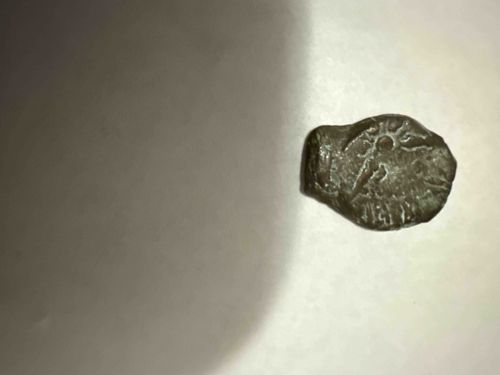
Ancient Indian Punch-Marked Silver Karshapana Coin
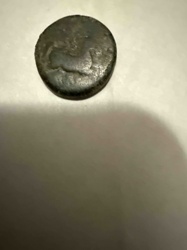
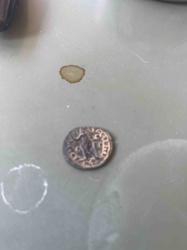
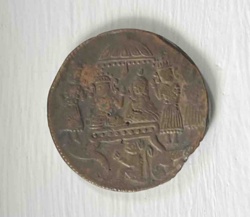
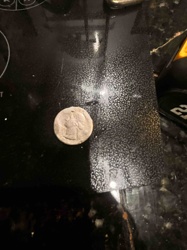
This item is an ancient silver punch-marked coin, likely a Karshapana from the Maurya-Magadha period of India, dating approximately between the 4th and 2nd century BCE. The coin exhibits a characteristic irregular, roughly rectangular or planchet shape common to the era's hand-struck manufacturing process. The surface displays several distinct symbols, most notably a multi-armed sun or wheel motif, which was a standard imperial mark. The metal appears to be a high-grade silver alloy with a deep, aged grey patina and visible surface crystallization consistent with long-term burial. The edges are uneven and show the shear marks from the original metal sheet being cut before being stamped. There are signs of significant wear, particularly on the relief of the symbols, due to historical circulation. No modern cleaning or restoration is evident, preserving the original oxidation layer. The craftsmanship reflects the early transition from bar currency to standardized coinage, where individual dies were hammered into a prepared metal blank, often resulting in some symbols being partially off-center or 'clipped'. The metallurgical density and the specific arrangement of symbols are key indicators of its provenance within ancient Indian numismatic history.
AI-Generated Appraisal Disclaimer
Estimated Value
$45-85
Basic Information
Category
Ancient Coins and Numismatics
Appraised On
January 10, 2026
Estimated Value
$45-85
Item Description
This item is an ancient silver punch-marked coin, likely a Karshapana from the Maurya-Magadha period of India, dating approximately between the 4th and 2nd century BCE. The coin exhibits a characteristic irregular, roughly rectangular or planchet shape common to the era's hand-struck manufacturing process. The surface displays several distinct symbols, most notably a multi-armed sun or wheel motif, which was a standard imperial mark. The metal appears to be a high-grade silver alloy with a deep, aged grey patina and visible surface crystallization consistent with long-term burial. The edges are uneven and show the shear marks from the original metal sheet being cut before being stamped. There are signs of significant wear, particularly on the relief of the symbols, due to historical circulation. No modern cleaning or restoration is evident, preserving the original oxidation layer. The craftsmanship reflects the early transition from bar currency to standardized coinage, where individual dies were hammered into a prepared metal blank, often resulting in some symbols being partially off-center or 'clipped'. The metallurgical density and the specific arrangement of symbols are key indicators of its provenance within ancient Indian numismatic history.
Related Tags
Explore similar items and categories:
Get Your Items Appraised
Instant estimates of your treasures with AI-powered instant appraisals