AI Appraisal Estimate

AI-generated estimates · not official valuations

From the user

What was submitted

Photo and notes provided by the user — not generated by AI

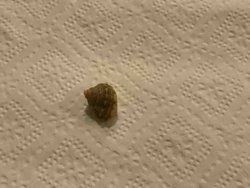
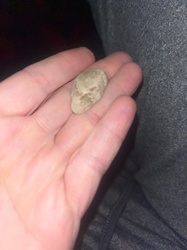
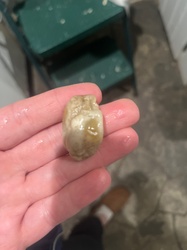
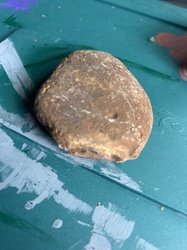
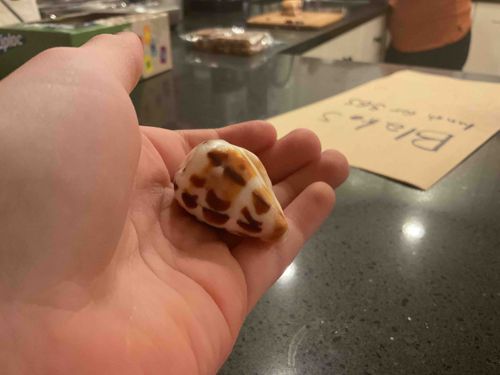
Submitted item photo
Submitted photo · May 27, 2026

User's notes

Shell from Oahu

AI analysis below

AI appraisal

AI analysis & estimate

AI-Generated · Verify before acting

Everything below is generated by AI for informational purposes only. AI can make mistakes — the AI may misidentify items or misattribute them (artist, maker, brand, designer, origin, era). This is not an official valuation and should not be used for insurance, sale, tax, estate, legal, or lending purposes — or any decision requiring a certified appraisal. It is not an authoritative claim about any person, brand, or rights holder — do not share or rely on it as a factual statement about a third party. Always consult qualified professionals before making financial decisions.

Note

This analysis also relies on unverified notes provided by the user, which may be incomplete or inaccurate and could affect the result.

Read the full disclaimer

AI Identification

·Not independently authenticated·Verify before acting

Hebrew Cone Snail Shell (Conus ebraeus)

Natural History Specimen / Malacology

AI Estimated Value

·Not an official valuation·Verify before acting

$15.00 - $25.00

As of May 27, 2026

AI Item Analysis

·AI can make mistakes·Verify before acting
This specimen is a Hebrew Cone Snail shell, a marine gastropod mollusk native to the Indo-Pacific region, including the waters of Oahu, Hawaii. The shell measures approximately 1.5 to 2 inches in length, exhibiting a solid, heavy, and obconic (inverted cone) shape characteristic of the Conidae family. Its primary color is a creamy white to slightly yellowish base, decorated with distinct, dark chocolate brown to black rectangular markings arranged in irregular spiral rows. These markings resemble Hebrew characters or hieroglyphics, lending the species its common name. The shell surface appears smooth with a high-gloss finish, typical of a healthy live-taken or well-preserved specimen. The spire is low and slightly convex with small, blunt tubercles at the shoulders. Upon close inspection, the specimen shows minimal beach-wear; the aperture remains relatively sharp, and the color saturation is deep, suggesting it has not been bleached significantly by the sun. There are no visible fractures or major chips on the lip or the apex. As a natural biological specimen, there are no maker's marks, but the quality of the pattern and the luster of the calcium carbonate shell indicate a high-quality collectible specimen. This item represents a classic example of Hawaiian reef fauna.
AI Appraisal Report

·AI can make mistakes·Verify before acting
I have examined the digital representation of this Conus ebraeus specimen, reportedly sourced from Oahu, Hawaii. The shell displays a robust, obconic form with the characteristic 'hebraic' dark brown rectangular patterning over a creamy white base. Based on the high-gloss luster and the sharpness of the spire tubercles and aperture, the specimen appears to be in 'Fine' to 'Gem' condition, showing negligible beach-wear or calcium erosion often found in salvaged shells. The color saturation is excellent, suggesting minimal UV exposure. From a market perspective, Conus ebraeus is a common and widely distributed species across the Indo-Pacific. While this specific specimen is a high-quality example of Hawaiian reef fauna, it is not considered rare. Comparables for specimens of this size (1.5–2 inches) typically trade in the $5 to $30 range depending on the perfection of the pattern and lack of lip chips. The current market for malacology specimens prioritizes locality data; having a specific origin like Oahu adds a modest premium for regional collectors. Limitations: This appraisal is based solely on digital images. A physical inspection is required to check for 'filled' chips or artificial polishing/oiling that mimics natural luster. To finalize authentication, I would need to verify the shell's density and inspect the interior of the aperture for hidden fractures. Furthermore, while the species is the common Hebrew Cone, full authentication of its Hawaiian provenance requires accompanying field notes or a collection log from the original find, as similar specimens appear throughout the Indo-Pacific. No CITES restrictions apply to this species, but local Hawaiian harvesting regulations would be relevant to legal provenance.

Get your items appraised

Instant estimates of your treasures with AI-powered appraisals

Browse More Appraisals