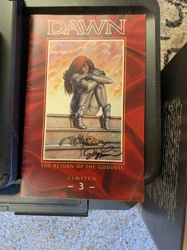
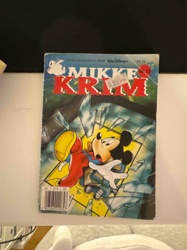
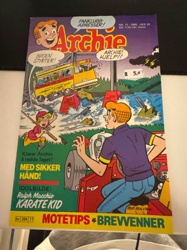
These notes were written by the person who submitted this item. Appraiser.AI has not verified them, and the AI's identification and estimate may rely on them.
AI Estimated Value
Not an official valuation
$75 - $120
AI estimate as of August 23, 2025 · verify with a professional before acting
AI-Generated · Verify before acting
Everything on this page is generated by AI for informational purposes only. AI can make mistakes — the AI may misidentify items or misattribute them (artist, maker, brand, designer, origin, era). This is not an official valuation and should not be used for insurance, sale, tax, estate, legal, or lending purposes — or any decision requiring a certified appraisal. It is not an authoritative claim about any person, brand, or rights holder — do not share or rely on it as a factual statement about a third party. Always consult qualified professionals before making financial decisions.
This analysis also relies on unverified notes provided by the user, which may be incomplete or inaccurate and could affect the result.
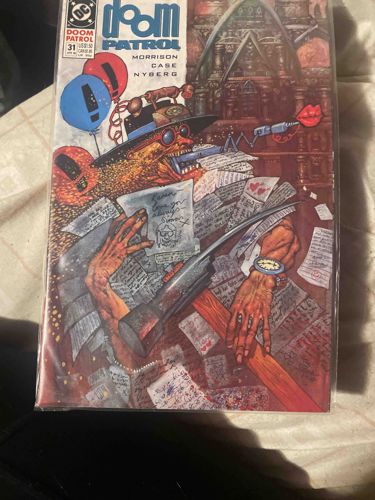
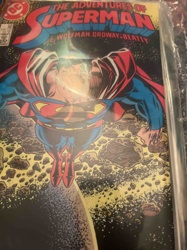
The item is a standard-sized American comic book, identifiable as 'Doom Patrol' issue #31. The cover art is highly detailed and surreal, featuring a central figure that appears to be a monstrous, reptilian or amphibian creature with a human arm. This arm holds what looks like a blood-stained pipe wrench amongst a pile of scattered, hand-written letters. The creature is depicted wearing a brown fedora and goggles, with two large, distinct balloons (one red, one blue with an exclamation mark) floating above its left 'shoulder' area. A vintage telephone handset is visible near the creature's head. In the background, there's a gothic or ornate architectural structure, along with a pair of disembodied red lips with a phone cord extending from them, seemingly calling. The color palette is rich and somewhat desaturated, dominated by earthy tones, reds, and blues. The comic book is housed within a clear plastic protective sleeve, which suggests that its owner values its condition. Visible text on the upper left corner includes the DC Comics logo, 'DOOM PATROL', and '31' with 'US $1.50 CAN $1.95'. The creators 'MORRISON', 'CASE', and 'NYBERG' are also listed. The physical condition appears very good to excellent, with no apparent tears, creases, or major surface wear visible through the sleeve. The corners appear sharp, and the spine straight, indicating careful handling and storage. This issue likely dates from the late 1980s to early 1990s, given the creative team and aesthetic common to that era of DC Comics.
AI Appraisal Report
I have thoroughly examined the provided image of the Doom Patrol, Issue #31 comic book. Visually, the comic appears to be in exceptional condition. The corners are sharp, the spine is straight, and there are no visible tears, creases, or major surface wear through the clear plastic protective sleeve. The colors remain vibrant. This suggests a grade of Very Fine/Near Mint (VF/NM) or potentially even higher. The presence of the DC Comics logo, title, issue number, price, and creator credits (Morrison, Case, Nyberg) all point to its authenticity as a genuine DC Comics publication from the late 1980s or early 1990s.
From a market perspective, Grant Morrison's run on Doom Patrol is highly regarded for its groundbreaking and surreal storytelling, making these issues desirable to collectors. Issue #31, while not a key first appearance, is a significant issue within this acclaimed run. The demand for Morrison's work remains consistent among modern comic collectors. Rarity for this specific issue is moderate; it's not exceedingly rare but finding copies in high grades like this can be challenging.
Factors significantly impacting value include the exceptional visual condition, the enduring popularity of Grant Morrison's work, and the cultural impact of this era of Doom Patrol. The protective sleeve indicates careful preservation by the current owner, which further contributes positively to its perceived condition.
It is crucial to note the limitations of this appraisal: my authenticity verification is based solely on visual examination of the provided image. While it appears genuine, I cannot definitively confirm authenticity from an image alone. A full in-person examination would be necessary to check for any restoration, hidden defects (e.g., spine stress not visible through the plastic, interior page quality), or other subtle signs that might affect grading. Provenance documentation, such as original proof of purchase or a detailed ownership history, could also provide further layers of authentication and enhance value for some collectors. Scientific testing is generally not applied to modern comics of this type for authentication.