AI Appraisal Estimate

AI-generated estimates · not official valuations

From the user

What was submitted

Photo and notes provided by the user — not generated by AI

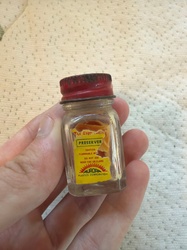
Submitted item photo
Submitted photo · May 22, 2026

User's notes

E. O. Brody Co Cleveland O. M300D

AI analysis below

AI appraisal

AI analysis & estimate

AI-Generated · Verify before acting

Everything below is generated by AI for informational purposes only. AI can make mistakes — the AI may misidentify items or misattribute them (artist, maker, brand, designer, origin, era). This is not an official valuation and should not be used for insurance, sale, tax, estate, legal, or lending purposes — or any decision requiring a certified appraisal. It is not an authoritative claim about any person, brand, or rights holder — do not share or rely on it as a factual statement about a third party. Always consult qualified professionals before making financial decisions.

Note

This analysis also relies on unverified notes provided by the user, which may be incomplete or inaccurate and could affect the result.

Read the full disclaimer

AI Identification

·Not independently authenticated·Verify before acting

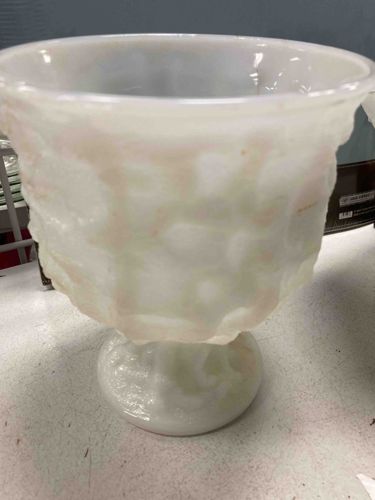
E.O. Brody Co. Milk Glass Crinkle Hobnail Footed Urn Vase

Vintage Glassware / Florist Supplies

AI Estimated Value

·Not an official valuation·Verify before acting

$10 - $18

As of May 22, 2026

AI Item Analysis

·AI can make mistakes·Verify before acting
This item is a vintage footed planter or urn vase manufactured by the E.O. Brody Company. The piece is constructed from opaque white milk glass, featuring a distinct overall 'crinkle' or textured pebble-like exterior finish that gives it a rugged, tactile appearance. The form consists of a wide, slightly flared cup-shaped body resting upon a short, circular pedestal foot. Based on the provided markings 'E. O. Brody Co Cleveland O. M300D', this model is a mid-century mass-produced item typically used by florists for professional arrangements. The interior of the bowl is smooth to allow for easy cleaning, while the exterior texture hides minor scratches or hard water deposits. The color is a classic milky white, though some areas appear to show faint surface discoloration or residues (possibly organic staining from previous use) that may require cleaning. The rim appears to be in relatively good condition without major chipping, though standard mold seam lines from the pressing process may be visible upon close inspection. This utility-style glassware was common in American homes during the 1960s and 1970s, prized for its durability and neutral aesthetic that complements various floral displays.
AI Appraisal Report

·AI can make mistakes·Verify before acting
Based on my visual examination of the E.O. Brody Co. model M300D, I have determined this to be an authentic example of mid-century florist-ware. The 'crinkle' texture is consistent with production methods from the Cleveland, Ohio, plant during the 1960s-1970s. The piece shows typical mold seams and a milky opacity characteristic of the era's mass-produced soda-lime glass. The condition appears fair to good; however, surface discoloration and organic residue are noted, which can often be mitigated with a mild acidic soak, provided the glass has not suffered from permanent 'clouding' or etching due to hard water. The market for E.O. Brody milk glass is currently saturated. These pieces were manufactured in vast quantities for the floral industry, making them common finds in estate sales and thrift markets. They are valued more for their utility and 'shabby chic' aesthetic than for rarity. Comparable sales on platforms like eBay and Etsy consistently fall within the $10 to $20 range, with higher prices reserved for pristine, original-labeled examples. While the embossed base markings strongly suggest authenticity, a physical inspection is required to confirm the absence of 'flea bites' along the rim and the stability of the pedestal foot. Digital images cannot definitively reveal internal stress fractures or chemical etching. To fully certify this item, an in-person tactile review would be necessary to ensure no professional grinding has occurred to hide previous chips. No scientific testing is required due to the low replacement value and common nature of the piece.

Get your items appraised

Instant estimates of your treasures with AI-powered appraisals

Browse More Appraisals