AI identification & appraisal estimate

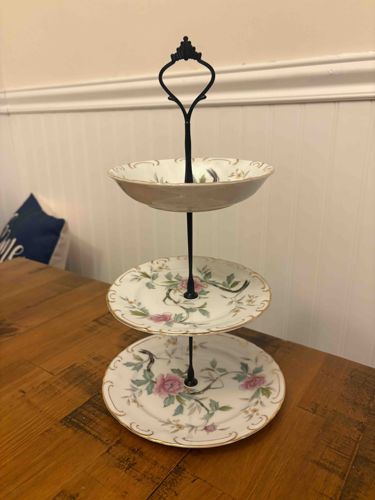
Vintage Japanese Fine China 3-Tier Serving Stand

Submitted photo of Vintage Japanese Fine China 3-Tier Serving Stand
Photo submitted by the user — not generated by AI

User's notes

Japanese China plates

These notes were written by the person who submitted this item. Appraiser.AI has not verified them, and the AI's identification and estimate may rely on them.

AI Estimated Value

Not an official valuation

$45 - $65

AI estimate as of January 4, 2026 · verify with a professional before acting

AI-Generated · Verify before acting

Everything on this page is generated by AI for informational purposes only. AI can make mistakes — the AI may misidentify items or misattribute them (artist, maker, brand, designer, origin, era). This is not an official valuation and should not be used for insurance, sale, tax, estate, legal, or lending purposes — or any decision requiring a certified appraisal. It is not an authoritative claim about any person, brand, or rights holder — do not share or rely on it as a factual statement about a third party. Always consult qualified professionals before making financial decisions.

This analysis also relies on unverified notes provided by the user, which may be incomplete or inaccurate and could affect the result.

Read the full disclaimer

AI Item Analysis

This item is a decorative and functional three-tier dessert stand constructed from repurposed Japanese fine china plates. The piece features three graduated plates connected by a central black metal rod spindle with a loop handle at the top for portability. The plates are made of white porcelain decorated with a delicate floral motif, featuring pink roses, green leaves, and black scroll-like branches. The edges are finished with a classic gold gilt scalloped border with small relief patterns. The top tier is a shallow bowl shape, while the lower two tiers are flat dessert or salad plates. This construction style is indicative of the mid-20th century, likely 1950s-1970s, where traditional Japanese tea sets were often adapted into tiered servers. The condition appears to be good with no obvious chips or cracks visible on the glaze surface, though there is typical light wear to the gold gilding on the edges and potential light surface scratching from cleaning. The metal hardware appears to be a modern or replacement matte black finish, providing a stark contrast to the dainty floral porcelain. The craftsmanship reflects typical Japanese exports of the era, balancing mass-production techniques with refined decorative elements.
AI Appraisal Report

Based on my visual examination of the images provided, this is a charming vintage 3-tier serving stand created from Japanese fine china plates, likely dating to the mid-20th century (circa 1950s-1970s). The plates feature a classic export-style floral motif with pink roses and black scrollwork, trimmed with gold gilt scalloped edges. The condition of the porcelain appears good, with no visible chips or major cracks, although some wear to the gold gilding is expected for pieces of this age. It is important to note that this is likely a 'marriage' piece—meaning the plates were originally part of a dinner service and were later drilled and assembled into a tiered stand using modern hardware. The matte black hardware is a contemporary touch that contrasts with the vintage aesthetic but indicates this was not manufactured in this configuration originally. This 'upcycling' is common but generally places the item in the category of decorative home goods rather than investment-grade antiques. In the current market, demand for floral tiered stands remains steady for use in afternoon tea settings, bridal showers, and cottage-style decor. Comparables for similar upcycled Japanese china stands generally sell in the $40 to $70 range on platforms like Etsy or eBay. The value is driven primarily by the aesthetic appeal and utility rather than maker rarity. To provide a definitive valuation, I would need to physically inspect the drill holes for stress fractures and examine the maker's mark on the underside of the bottom plate to identify the specific manufacturer (e.g., Sango, Meito, or generic import). Without a specific prestigious maker's mark, the value remains modest and decorative.

Keep exploring

More vintage tableware and serving pieces appraisals

Get your items appraised

Instant AI-powered appraisal estimates from a photo

Browse More Appraisals