AI Appraisal Estimate

AI-generated estimates · not official valuations

From the user

What was submitted

Photo and notes provided by the user — not generated by AI

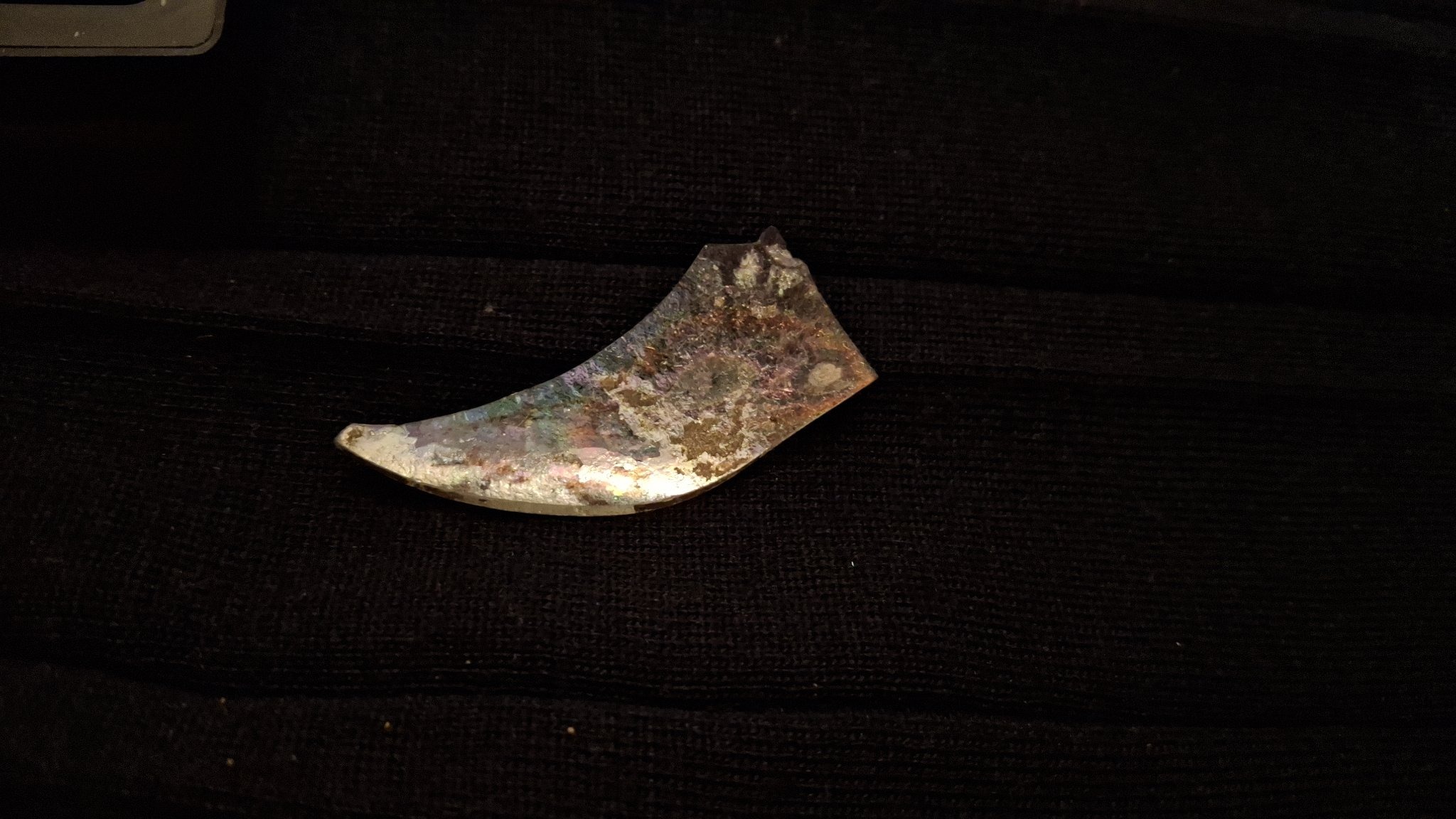
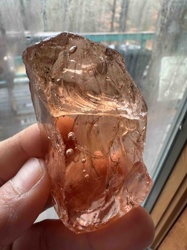
Submitted item photo
Submitted photo · July 9, 2026

User's notes

Category: Other fragment of ancient roman glass discovered on Beit El Street in Jewish Quarter of Jerusalem in the wall of an underground house

AI analysis below

AI appraisal

AI analysis & estimate

AI-Generated · Verify before acting

Everything below is generated by AI for informational purposes only. AI can make mistakes — the AI may misidentify items or misattribute them (artist, maker, brand, designer, origin, era). This is not an official valuation and should not be used for insurance, sale, tax, estate, legal, or lending purposes — or any decision requiring a certified appraisal. It is not an authoritative claim about any person, brand, or rights holder — do not share or rely on it as a factual statement about a third party. Always consult qualified professionals before making financial decisions.

Note

This analysis also relies on unverified notes provided by the user, which may be incomplete or inaccurate and could affect the result.

Read the full disclaimer

AI Identification

·Not independently authenticated·Verify before acting

Iridescent glass fragment stylistically consistent with ancient Roman glass

Glass Artifacts

AI Estimated Value

·Not an official valuation·Verify before acting

$40–$80

As of July 9, 2026

AI Item Analysis

·AI can make mistakes·Verify before acting
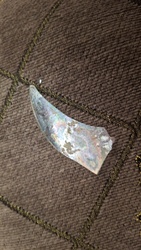
This item is a small, curved shard of glass characterized by a heavy layer of surface iridescence. The fragment appears translucent with a slight greenish or bluish hue where the glass is visible, but the majority of the surface exhibits a multi-colored patina showing shades of violet, gold, pink, and silver. This 'oil slick' effect is stylistically consistent with the devitrification and weathering patterns found on ancient Roman-era glass, though the exact age cannot be confirmed through a photograph. The user identifies this as a fragment of ancient Roman glass discovered on Beit El Street in the Jewish Quarter of Jerusalem in the wall of an underground house, though this provenance is unverified. The shard has irregular, jagged edges that appear to be broken, including one sharp, pointed end and a flatter, possibly rim-like edge at the opposing side. There are visible deposits of earth or mineral encrustation on the surface, which is common in archaeological finds. There are no maker's marks or inscriptions visible on the piece. Without physical laboratory testing, the identification is based on visual characteristics typically associated with silica weathering over centuries.
AI Appraisal Report

·AI can make mistakes·Verify before acting
Based on my visual analysis of the provided image, I have examined this curved glass shard exhibiting heavy iridescence and surface encrustation. Per user submission, the fragment is identified as ancient Roman glass discovered on Beit El Street in the Jewish Quarter of Jerusalem. While the 'oil slick' patina and weathering are stylistically consistent with devitrification typically seen in glass from the Roman period, I cannot verify the age or specific origin from a photograph alone. The iridescence suggests a prolonged burial environment, but these effects can sometimes be simulated or occur in more modern glass exposed to specific chemical conditions. I cannot determine the exact chemical composition or manufacturing date without scientific analysis like thermoluminescence or X-ray fluorescence testing. The value estimate of $40–$80 assumes the owner's attribution to the Roman era is accurate. Small, irregular fragments of ancient glass are relatively common in the antiquities market, and their value is primarily driven by the intensity of the iridescence and the credibility of their provenance. Because the provenance provided is currently unverified, the market value remains at the lower end for such artifacts. If this piece were found to be a modern reproduction or 'in the style of' ancient glass, the value would likely drop below $10, serving only as a decorative or educational curiosity. To reach a more precise valuation or confirm its historical significance, a physical inspection by a specialist in ancient glass and documented excavation records would be necessary. The current market for small, unshaped fragments is stable but limited compared to complete vessels.

Get your items appraised

Instant estimates of your treasures with AI-powered appraisals

Browse More Appraisals