AI Appraisal Estimate

AI-generated estimates · not official valuations

From the user

What was submitted

Photo and notes provided by the user — not generated by AI

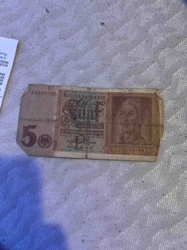
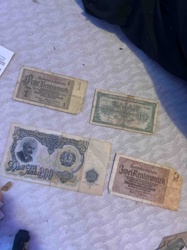
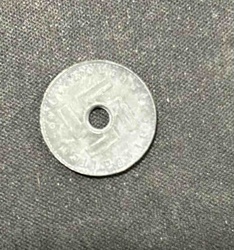
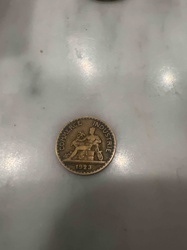
Submitted item photo
Submitted photo · June 6, 2026

User's notes

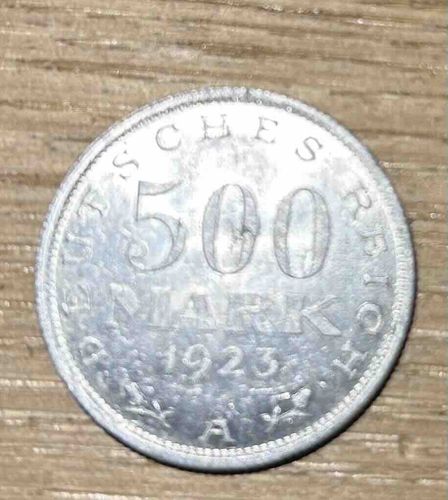
Deutsches reich 500 mark coin

AI analysis below

AI appraisal

AI analysis & estimate

AI-Generated · Verify before acting

Everything below is generated by AI for informational purposes only. AI can make mistakes — the AI may misidentify items or misattribute them (artist, maker, brand, designer, origin, era). This is not an official valuation and should not be used for insurance, sale, tax, estate, legal, or lending purposes — or any decision requiring a certified appraisal. It is not an authoritative claim about any person, brand, or rights holder — do not share or rely on it as a factual statement about a third party. Always consult qualified professionals before making financial decisions.

Note

This analysis also relies on unverified notes provided by the user, which may be incomplete or inaccurate and could affect the result.

Read the full disclaimer

AI Identification

·Not independently authenticated·Verify before acting

1923 German Weimar Republic 500 Mark Coin

Numismatics / Historical Currency

AI Estimated Value

·Not an official valuation·Verify before acting

$5.00 - $12.00

As of June 6, 2026

AI Item Analysis

·AI can make mistakes·Verify before acting
This is a 1923 500 Mark aluminum coin issued by the German Weimar Republic during the peak of the hyperinflation period. The coin is circular with a diameter of approximately 27mm and a very light weight characteristic of aluminum construction. The obverse shown features the large denomination '500' centered, with 'MARK' positioned directly below it. Above the denomination, the legend 'DEUTSCHES REICH' arcs along the upper rim in a sans-serif typeface. The date '1923' is struck at the bottom, flanked by small floral sprigs. Below the date is the 'A' mint mark, indicating it was struck at the Berlin Mint. The coin exhibits a dull silver-grey aluminum patina with significant surface wear consistent with a circulated metal specimen. There are visible contact marks, minor scratches, and softening of the high points of the lettering. This coin is a classic example of 'Notgeld' or inflation currency, representing a time when paper and base metal currencies were produced in massive quantities to keep up with devaluing exchange rates. The overall craftsmanship is functional rather than fine, as evidenced by the relatively simple, flat relief and utilitarian design typical of emergency coinage from this historically significant era.
AI Appraisal Report

·AI can make mistakes·Verify before acting
I have carefully examined the provided images and descriptions of this 1923 German Weimar Republic 500 Mark aluminum coin. The specimen features the 'A' mint mark for Berlin and represents the height of Germany’s hyperinflation period. Based on visual inspection, I assess the condition as 'Fine' to 'Very Fine' (F/VF), noting significant circulation wear, softening of the legends, and typical contact marks associated with soft aluminum coinage. The authenticity appears consistent with known emergency currency (Notgeld) of the era, though I must observe that the light weight and dull patina are characteristic of the massive quantities produced. Market-wise, these coins were minted in the millions; they are historically significant but numismatically common. Similar examples consistently sell in the $5 to $12 range depending on the specific buyer interest in Weimar-era history. The value is capped by the sheer volume of surviving specimens and the utilitarian grade of the metal. While the historical 'story' of the coin is compelling, it does not translate to high rarity. Limitations: This appraisal is based on a digital visual study. A definitive determination of authenticity would require an in-person physical inspection to verify the exact weight (approximately 1.66 grams), diameter, and specific gravity to rule out modern restrikes or counterfeits. I would also recommend reviewing any provenance documentation regarding its collection history. Scientific testing, such as X-ray fluorescence (XRF) to confirm the elemental aluminum alloy composition, would be the final step for absolute verification, though the cost of such testing would likely exceed the market value of the coin itself.

Get your items appraised

Instant estimates of your treasures with AI-powered appraisals

Browse More Appraisals