AI identification & appraisal estimate

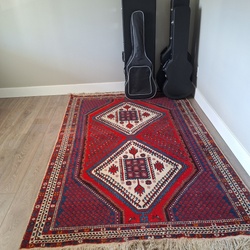
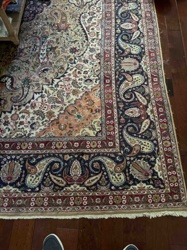
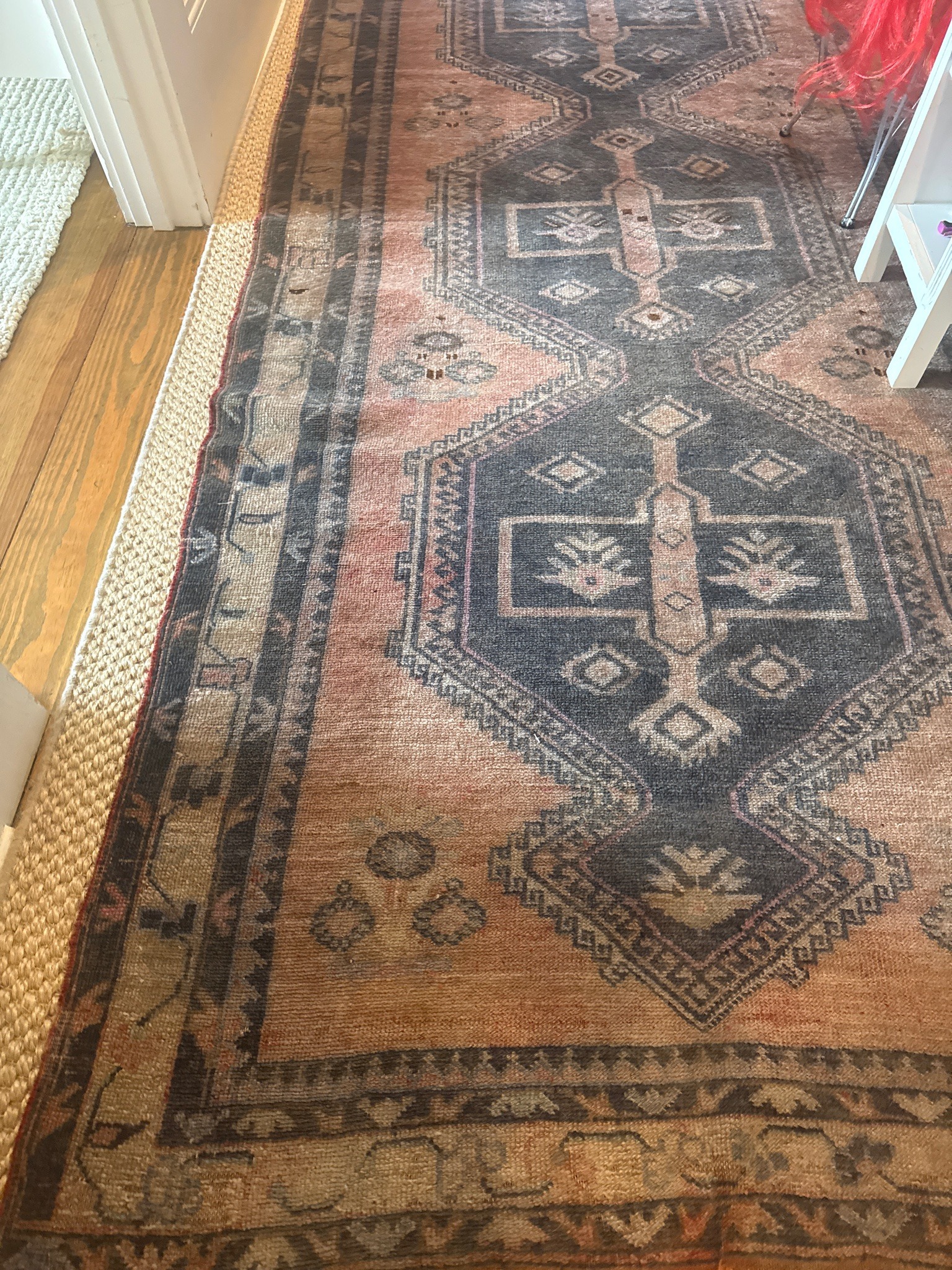
Vintage Heriz-Style Terracotta and Indigo Persian Runner

Submitted photo of Vintage Heriz-Style Terracotta and Indigo Persian Runner
Photo submitted by the user — not generated by AI

User's notes

15’ carpet runner

These notes were written by the person who submitted this item. Appraiser.AI has not verified them, and the AI's identification and estimate may rely on them.

AI Estimated Value

Not an official valuation

$1,800 - $2,600

AI estimate as of May 15, 2026 · verify with a professional before acting

AI-Generated · Verify before acting

Everything on this page is generated by AI for informational purposes only. AI can make mistakes — the AI may misidentify items or misattribute them (artist, maker, brand, designer, origin, era). This is not an official valuation and should not be used for insurance, sale, tax, estate, legal, or lending purposes — or any decision requiring a certified appraisal. It is not an authoritative claim about any person, brand, or rights holder — do not share or rely on it as a factual statement about a third party. Always consult qualified professionals before making financial decisions.

This analysis also relies on unverified notes provided by the user, which may be incomplete or inaccurate and could affect the result.

Read the full disclaimer

AI Item Analysis

This 15-foot long runner is a quintessential example of Persian tribal or village weaving, likely a Heriz or Serapi style. The piece features a prominent series of repeating large-scale hexagonal medallions in a deep indigo blue, set against a primary field of sun-faded terracotta and muted apricot. The wool pile appears low, indicating significant age and honest wear, likely dating to the early-to-mid 20th century. The construction is hand-knotted wool on a cotton foundation, showing characteristic abrash (natural color variations in the dye). The geometric motifs include stylized floral spray centers and serrated edges typical of Northwest Persian designs. Notable condition issues include visible thinning of the pile in high-traffic center areas, edge fraying along the selvedge, and some localized staining or color bleeding consistent with its age and use. The craftsmanship is evidenced by the intricate, multi-layered borders featuring a repeating 'running dog' or 'herati' inspired secondary motif in shades of charcoal, sage, and pale cream. Its length suggests it was custom-made or specifically selected for a significant hallway or gallery space.
AI Appraisal Report

I have examined the provided images and descriptions of this 15-foot Heriz-style Persian runner. The piece exhibits the bold, geometric aesthetic characteristic of Northwest Persian village weaving, likely originating from the Karadja or Heriz regions in the early-to-mid 20th century. The repetition of the central hexagonal medallions against the terracotta field is a classic design choice that remains highly desirable for interior designers and private collectors alike. The presence of natural abrash across the field suggests the use of traditional vegetable dyes, which enhances its market appeal compared to synthetic-dye counterparts. The significant length of 15 feet is a positive value driver, as runners of this scale are rarer and sought after for historic estate hallways. However, the value is tempered by visible condition issues. The thinning of the wool pile and the fraying of the selvedges indicate substantial use; while common in authentic antique rugs, these factors represent a need for professional conservation to prevent further degradation. Localized staining or color bleeding further suggests a history of exposure to moisture or improper cleaning. Comparable auction results for Persian runners of this age and length typically range between $1,500 and $3,500 depending on condition. Limitations: This assessment is based on photographic evidence only. A physical inspection is required to confirm the knot density, verify the foundation material (cotton vs. wool), and check for internal dry rot or hidden repairs. Definitive authentication would require examining the rug's reverse side and fringe roots to confirm hand-tied construction. Provenance or a bill of sale would further bolster the primary market valuation.

Keep exploring

More antiques & collectibles - textiles and rugs appraisals

Get your items appraised

Instant AI-powered appraisal estimates from a photo

Browse More Appraisals