AI Appraisal Estimate

AI-generated estimates · not official valuations

From the user

What was submitted

Photo and notes provided by the user — not generated by AI

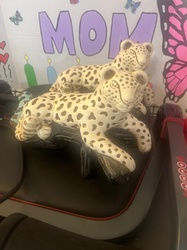
Submitted item photo
Submitted photo · June 4, 2026

User's notes

No additional notes provided.

AI analysis below

AI appraisal

AI analysis & estimate

AI-Generated · Verify before acting

Everything below is generated by AI for informational purposes only. AI can make mistakes — the AI may misidentify items or misattribute them (artist, maker, brand, designer, origin, era). This is not an official valuation and should not be used for insurance, sale, tax, estate, legal, or lending purposes — or any decision requiring a certified appraisal. It is not an authoritative claim about any person, brand, or rights holder — do not share or rely on it as a factual statement about a third party. Always consult qualified professionals before making financial decisions.

Read the full disclaimer

AI Identification

·Not independently authenticated·Verify before acting

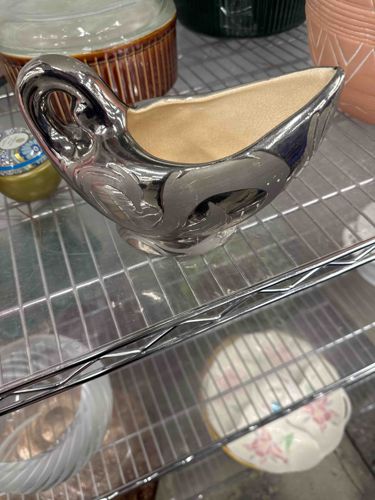
Mid-Century Modern Silver Electroplated Ceramic Swan Planter

Vintage Decorative Ceramics

AI Estimated Value

·Not an official valuation·Verify before acting

$45 - $75

As of June 4, 2026

AI Item Analysis

·AI can make mistakes·Verify before acting
This item is a highly stylized ceramic swan planter, typical of American or European decorative pottery from the mid-20th century, likely dating between the 1940s and 1960s. The exterior is finished with a brilliant silver electroplated glaze, giving it a reflective, chrome-like luxury appearance. The piece is approximately 6 to 8 inches in length and features an elegant, s-curved neck that forms a closed loop handle. The body of the swan is deeply embossed with scrolled, acanthus-like wing patterns that add texture and catch the light. The interior reveals the base ceramic material, finished in a contrasting matte cream or pale yellow glaze, which is standard for secondary surfaces in this type of novelty ware. While no maker's mark is visible from this angle, pieces of this style were frequently produced by companies such as Royal Hickman, Haeger, or various California potteries. Regarding condition, the piece shows visible wear consistent with its age; there is noticeable thinning of the silver glaze on the high points of the embossed wings, and some minor pitting or surface scratches are evident on the metallic finish. No major chips or structural cracks are immediately visible, though the interior shows some light staining typical for a vessel used for live plants. The craftsmanship is of good commercial quality, characterized by smooth mold lines and a symmetrical, aerodynamic silhouette.
AI Appraisal Report

·AI can make mistakes·Verify before acting
I have virtually examined this Mid-Century Modern silver-plated ceramic swan planter. Based on its stylized s-curve neck and acanthus-leaf wing embossing, this piece is a characteristic example of American novelty pottery from the 1950s. The silver electroplating suggests a 'Hollywood Regency' aesthetic intended for upscale mid-market interior decor. Upon inspection, the condition is fair to good; there is significant 'rubbing' or thinning of the metallic glaze on the relief highlights, which is common with silver-deposited ceramics of this era. This wear, alongside visible interior staining from previous use, slightly diminishes the value for serious collectors. The market for mid-century novelty planters remains steady, though these silver-over-ceramic pieces are generally less sought after than those by major makers like Haeger or Royal Haeger unless a specific mark is present. Rarity is low to moderate, as similar swan motifs were mass-produced by several California and Ohio potteries. The primary value lies in its decorative appeal for retro-modern staging. A significant limitation of this appraisal is the absence of a maker’s mark or foil label, which would confirm origin and potentially increase value. Digital inspection cannot verify the presence of 'crazing' under the plating or the structural integrity of the ceramic body inside the silver layer. For a full authentication, a physical examination is required to check for hidden hairlines, underside signatures, and to confirm the plating method. Scientific testing of the metal content is not recommended as the cost would exceed the object's market value.

Get your items appraised

Instant estimates of your treasures with AI-powered appraisals

Browse More Appraisals