AI identification & appraisal estimate

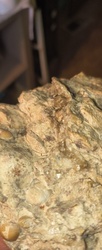
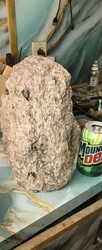
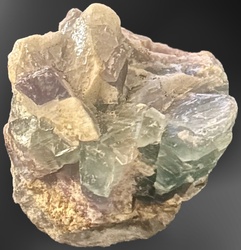
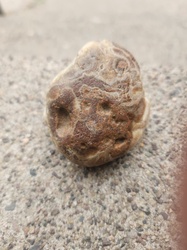
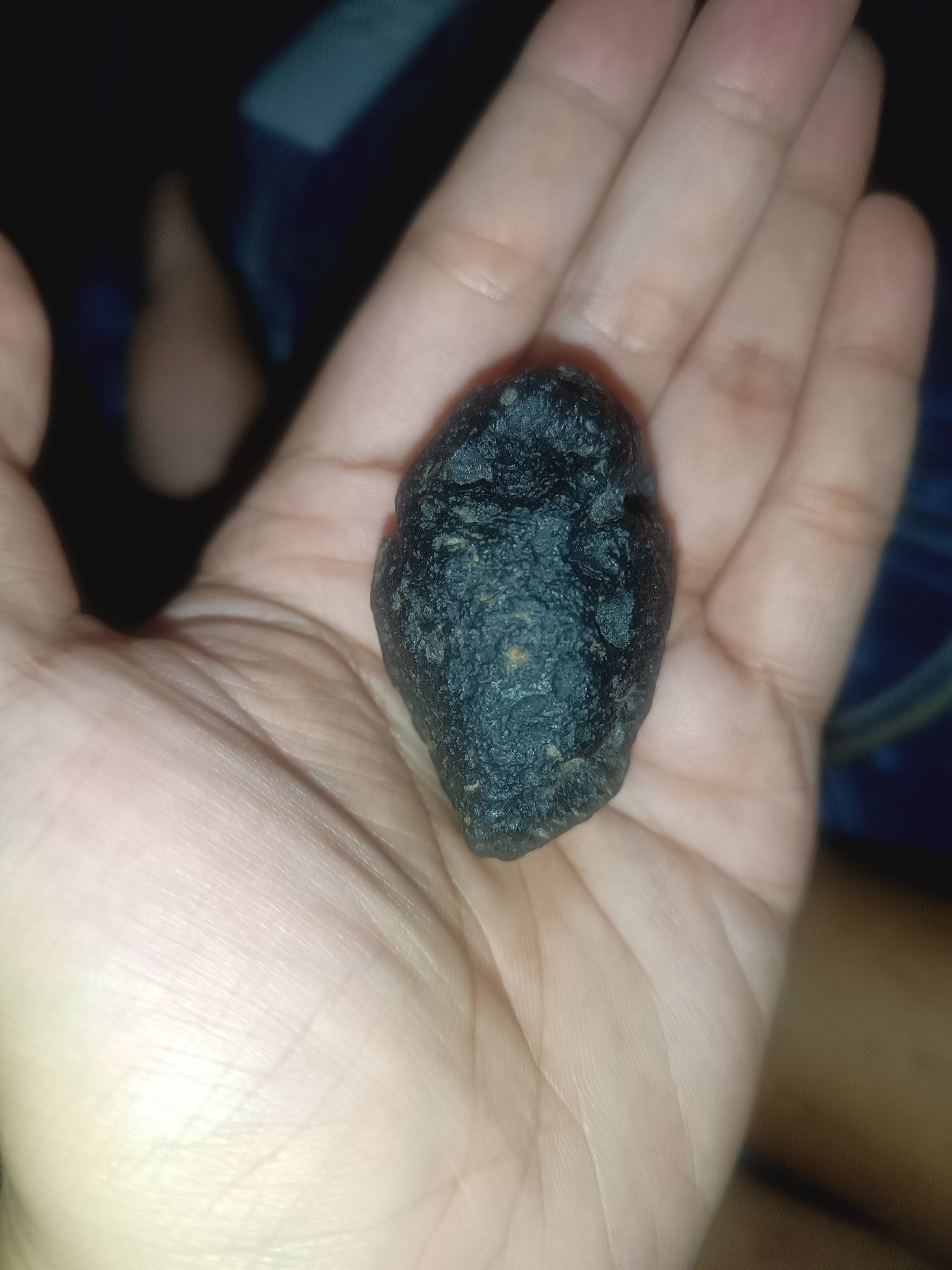
Tektite specimen (unauthenticated)

Submitted photo of Tektite specimen (unauthenticated)
Photo submitted by the user — not generated by AI

AI Estimated Value

Not an official valuation

$100-250

AI estimate as of August 15, 2026 · verify with a professional before acting

AI-Generated · Verify before acting

Everything on this page is generated by AI for informational purposes only. AI can make mistakes — the AI may misidentify items or misattribute them (artist, maker, brand, designer, origin, era). This is not an official valuation and should not be used for insurance, sale, tax, estate, legal, or lending purposes — or any decision requiring a certified appraisal. It is not an authoritative claim about any person, brand, or rights holder — do not share or rely on it as a factual statement about a third party. Always consult qualified professionals before making financial decisions.

Read the full disclaimer

AI Item Analysis

The featured object is a dark, glassy stone resting in an open human palm for scale, appearing to be approximately two to three inches in length. The material exhibits a deep, near-black to very dark green coloration with a semi-lustrous to matte finish. Its surface texture is heavily pitted, uneven, and covered in characteristic small depressions, furrow-like indentations, and micro-sculpting typical of natural impact glasses. There are no visible maker's marks, stamps, or labels present on the exterior surface. The overall morphology features an irregular, somewhat teardrop-like or amorphous shape with rounded edges, showing no signs of modern human-made tooling, polishing, or mechanical alteration. The physical characteristics displayed are visually consistent with natural tektites, specifically impact-melt glass formed during a meteorite event, though the specimen remains unauthenticated without rigorous physical, chemical, or microscopic laboratory testing. Alternative possibilities for dark, pitted glassy or stony objects could include industrial slag or specialized volcanic glass, but the surficial texturing leans heavily toward a natural glassy meteorite-impact product. The identification rests purely on the visual macroscopic morphology of the pitted glassy exterior, as seen from the single photograph provided.
AI Appraisal Report

Based on what I can see in the provided photograph, the specimen appears to be a dark, glassy stone measuring approximately two to three inches in length, exhibiting an irregular amorphous morphology and a heavily pitted, micro-sculpted surface texture. These visual characteristics are consistent with natural tektites, which are impact-melt glasses formed during meteorite events. However, I can't verify from a photo alone whether this is a genuine tektite, as similar surface textures can theoretically be mimicked by certain types of industrial slag or specialized volcanic glass. I would need physical inspection and scientific testing to confirm the material composition. The estimated value range of $100-250 assumes the working hypothesis that the specimen is a natural tektite of this size and visual quality. General market demand for natural impact glasses among mineral and meteorite collectors remains steady, with prices largely driven by size, aesthetic form, and surface preservation. If the piece were to turn out to be industrial slag or a synthetic reproduction upon closer laboratory analysis, the market value would drop significantly, likely to a nominal $15-30 educational or decorative specimen level. To establish a more robust valuation and address the unauthenticated nature of the piece, physical examination, specific gravity testing, and advanced microscopic or chemical analysis by a qualified mineralogist or meteorite expert would be required.

Keep exploring

More minerals and fossils appraisals

Get your items appraised

Instant AI-powered appraisal estimates from a photo

Browse More Appraisals