AI Appraisal Estimate

AI-generated estimates · not official valuations

From the user

What was submitted

Photo and notes provided by the user — not generated by AI

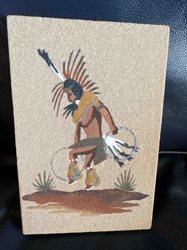
Submitted item photo
Submitted photo · May 23, 2026

User's notes

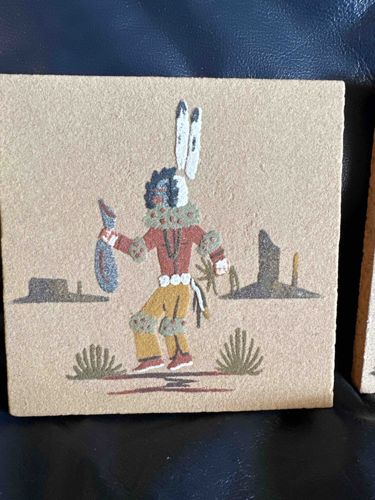
Navajo sand painting 6”x6” “…bear claw” L sandman

AI analysis below

AI appraisal

AI analysis & estimate

AI-Generated · Verify before acting

Everything below is generated by AI for informational purposes only. AI can make mistakes — the AI may misidentify items or misattribute them (artist, maker, brand, designer, origin, era). This is not an official valuation and should not be used for insurance, sale, tax, estate, legal, or lending purposes — or any decision requiring a certified appraisal. It is not an authoritative claim about any person, brand, or rights holder — do not share or rely on it as a factual statement about a third party. Always consult qualified professionals before making financial decisions.

Note

This analysis also relies on unverified notes provided by the user, which may be incomplete or inaccurate and could affect the result.

Read the full disclaimer

AI Identification

·Not independently authenticated·Verify before acting

Navajo Sand Painting of a Bear Dancer by L. Sandman

Native American Art & Collectibles

AI Estimated Value

·Not an official valuation·Verify before acting

$45 - $75

As of May 23, 2026

AI Item Analysis

·AI can make mistakes·Verify before acting
This is a 6x6 inch Navajo sand painting created on a square particle board or mansonite base. The artwork depicts a traditional Diné (Navajo) ceremonial figure, specifically a Bear Dancer or a figure associated with the Bear Way, which is a powerful healing ceremony. The figure is shown wearing two upright white feathers in the hair, a ruff or collar of mountain tobacco or fur, and carrying a traditional ceremonial object in the right hand. The colors are earthy and derived from natural sandstone and minerals, including shades of terracotta, ochre, slate grey, white, and charcoal black. The texture is granular, created by adhering fine sand to the board surface. The background features stylized buttes and mesas characteristic of Monument Valley, along with sparse desert vegetation. The craftsmanship shows careful attention to the line work and proportions typical of commercial sand paintings from the late 20th century (estimatated 1970s-1990s). The condition appears excellent with no visible loss of sand, cracking, or water damage, though light edge wear is common for unframed pieces of this age. The item is attributed to 'L. Sandman' based on the provided context, which often represents a family of artists or a particular workshop style known for these souvenir-quality spiritual representations.
AI Appraisal Report

·AI can make mistakes·Verify before acting
I have conducted a visual examination of this 6x6 inch Navajo sand painting attributed to 'L. Sandman.' The piece depicts a Bear Dancer, a significant figure in Diné ceremonial healing, rendered in natural mineral sands on a composite board. The execution displays the characteristic color palette of traditional sandstone pigments and demonstrates steady line work typical of mid-to-late 20th-century commercial production. The condition is assessed as excellent, with the adhesive bond appearing intact and no significant loss of granular texture. The market for small-scale Navajo sand paintings from this period is robust but heavily saturated with souvenir-quality pieces. Works by 'L. Sandman' are frequently encountered in the secondary market, representing a specialized workshop style rather than an individual master artist. Comparables for signed 6x6 tiles without frames consistently realize prices in the $30 to $60 range at auction, with retail gallery prices reaching up to $85. The value is limited by the item's small size and its identity as a decorative craft item rather than a documented piece of fine art with a specific pedigree. Please note that this appraisal is based on image analysis; a definitive determination of mineral composition and age cannot be made without a physical inspection. For full authentication, I would require provenance documentation or a certificate of authenticity from a reputable Navajo arts and crafts organization. Without these, the piece is valued primarily for its aesthetic and cultural representation rather than as an investment-grade collectible.

Get your items appraised

Instant estimates of your treasures with AI-powered appraisals

Browse More Appraisals