AI Appraisal Estimate

AI-generated estimates · not official valuations

From the user

What was submitted

Photo and notes provided by the user — not generated by AI

Submitted item photo
Submitted photo · May 24, 2026

User's notes

No additional notes provided.

AI analysis below

AI appraisal

AI analysis & estimate

AI-Generated · Verify before acting

Everything below is generated by AI for informational purposes only. AI can make mistakes — the AI may misidentify items or misattribute them (artist, maker, brand, designer, origin, era). This is not an official valuation and should not be used for insurance, sale, tax, estate, legal, or lending purposes — or any decision requiring a certified appraisal. It is not an authoritative claim about any person, brand, or rights holder — do not share or rely on it as a factual statement about a third party. Always consult qualified professionals before making financial decisions.

Read the full disclaimer

AI Identification

·Not independently authenticated·Verify before acting

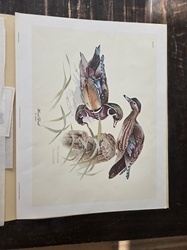
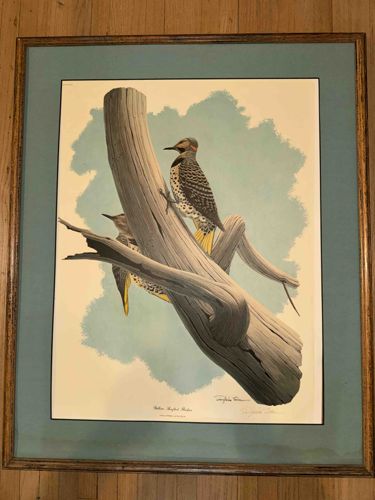
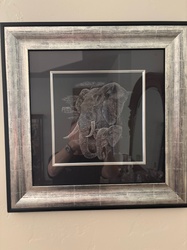
Yellow-Shafted Flicker Limited Edition Print by Ray Harm

Wildlife Art / Fine Art Prints

AI Estimated Value

·Not an official valuation·Verify before acting

$60 - $110

As of May 24, 2026

AI Item Analysis

·AI can make mistakes·Verify before acting
This is a large, professionally framed and matted wildlife art print titled 'Yellow-Shafted Flicker' by the renowned naturalist artist Ray Harm. The artwork depicts two flickers perched on a gnarled, weathered grey tree stump against a soft blue wash background. The birds are detailed with their characteristic spotted breasts, black bibs, and yellow plumage under the wings and tail. The print features a printed signature by Ray Harm on the lower right, accompanied by a hand-signed pencil signature by the artist, indicating its status as a collector's edition. It is housed in an ornate, gilded wood frame with a slight distressed finish and is double-matted with a teal-blue outer mat and a black inner fillet. Based on the style and artist's peak production, this piece likely dates from the late 1960s to early 1970s. The craftsmanship of the illustration shows high-quality biological accuracy. The condition appears fair to good: while the print itself shows vibrant colors, there is noticeable moisture damage or 'tideline' staining along the bottom edge of the blue matting, suggesting previous exposure to humidity. The frame shows minor surface wear commensurate with age, but remains structurally sound. This piece is representative of mid-century American ornithological art and is a classic example of Harm's contribution to conservation-based art prints.
AI Appraisal Report

·AI can make mistakes·Verify before acting
I have examined the digital representation of the 'Yellow-Shafted Flicker' limited edition print by Ray Harm. The piece features a distinct hand-pencil signature alongside the plate signature, which is the primary marker of value for Harm's work from this era. The anatomical accuracy is consistent with his contributions to the Frame House Gallery during the 1960s and 70s. However, the condition is a significant concern. The visible 'tideline' staining on the matting indicates significant moisture exposure. While the print's colors remain vibrant, there is a high risk of 'foxing' or acid transfer to the paper substrate that may not be fully visible in photographs. The market for Ray Harm prints has softened considerably from its peak in the late 20th century, as these were produced in large editions. Current collectors favor pristine examples; the existing water damage necessitates professional re-matting and potentially conservation cleaning, which often exceeds the market value of the print itself. Similar examples in good condition typically hammer for $100-$200, but the damage here necessitates a downward adjustment. Limitations: This appraisal is based on photographic evidence only. A physical inspection is required to check for underlying mold, mounting-adhesive damage, or light-fading not visible digitally. Authenticity of the pencil signature is assumed based on stroke fluidity but would require a Loupe examination to distinguish from a lithographic reproduction. Provenance or a gallery label on the dust cover would further solidify its history.

Get your items appraised

Instant estimates of your treasures with AI-powered appraisals

Browse More Appraisals