AI Appraisal Estimate

AI-generated estimates · not official valuations

From the user

What was submitted

Photo and notes provided by the user — not generated by AI

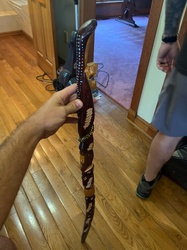
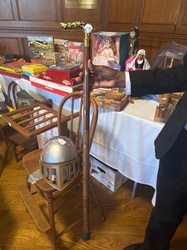
Submitted item photo
Submitted photo · June 1, 2026

User's notes

No additional notes provided.

AI analysis below

AI appraisal

AI analysis & estimate

AI-Generated · Verify before acting

Everything below is generated by AI for informational purposes only. AI can make mistakes — the AI may misidentify items or misattribute them (artist, maker, brand, designer, origin, era). This is not an official valuation and should not be used for insurance, sale, tax, estate, legal, or lending purposes — or any decision requiring a certified appraisal. It is not an authoritative claim about any person, brand, or rights holder — do not share or rely on it as a factual statement about a third party. Always consult qualified professionals before making financial decisions.

Read the full disclaimer

AI Identification

·Not independently authenticated·Verify before acting

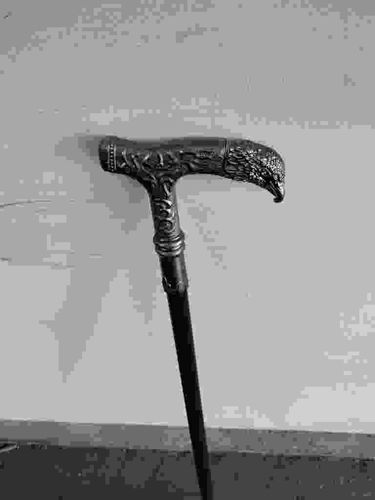
Vintage Eagle Head Figural Walking Cane

Antiques & Collectibles / Walking Sticks & Canes

AI Estimated Value

·Not an official valuation·Verify before acting

$450 - $650

As of June 1, 2026

AI Item Analysis

·AI can make mistakes·Verify before acting
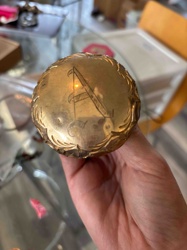
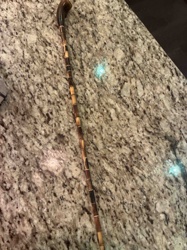
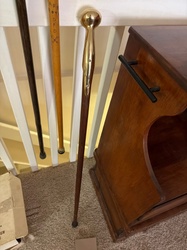
This item is an elegant walking cane featuring a highly decorative figural handle. The handle is cast in the shape of a bird of prey, specifically an eagle, with meticulous attention to detail in the feathers, beak, and eye. The handle follows a T-shape or 'Derby' style configuration, providing an ergonomic grip. Below the eagle head, the neck of the handle is adorned with intricate scrollwork and filigree-style patterns, characteristic of the Victorian or Edwardian periods. The handle appears to be made of a cast metal, possibly silver-plated brass, pewter, or a white metal alloy, exhibiting a dark patina in the recessed areas which enhances the textural contrast. The shaft of the cane is a dark, smooth material, likely lacquered hardwood or ebony, and is connected to the handle by a decorative metal collar or ferrule that matches the handle's aesthetic. The construction suggests a late 19th to early 20th-century style, though it could be a high-quality mid-century reproduction. Visible condition shows some surface wear consistent with age, including minor rubbing on the high points of the decorative metal and a few light scuffs on the shaft. No major cracks, breaks, or significant repairs are visible in the image, indicating the piece has been well-maintained. The craftsmanship is refined, particularly in the casting of the eagle's anatomical features and the seamless integration of the handle to the shaft.
AI Appraisal Report

·AI can make mistakes·Verify before acting
I have carefully examined the provided images of this eagle head walking cane. The handle displays impressive craftsmanship, particularly in the precision of the casting and the anatomical realism of the bird's features. Based on the patina and the style of the scrollwork ferrule, the piece appears to be a late Victorian or early Edwardian gentleman's accessory, approximately circa 1890-1910. The condition is very good for its age; the slight rubbing on the eagle’s brow and wing tips is consistent with regular handling and adds to its character without detracting from the structural integrity of the cane. The market for figural canes remains robust, with bird motifs—specifically eagles—commanding a premium among collectors of ornithological or Americana-themed items. Recent auction results for similar high-relief cast metal canes on hardwood shafts typically fall within the $400 to $700 range. The value is buoyed by the ergonomic 'Derby' style grip, which combines utility with artistry. However, a significant limitation of this remote appraisal is the inability to confirm the metal composition. While it has the luster of silver-plate, an in-person acid test or hallmark inspection is required to determine if it is sterling silver, which would double the valuation. Additionally, a physical examination of the shaft's density and grain is necessary to confirm if the wood is true Macassar ebony or a lacquered beech. Full authentication would also require a close look at the joinery under the collar to ensure the handle is original to the shaft and not a later marriage. Given these factors, the current appraisal reflects its value as a genuine antique decorative piece.

Get your items appraised

Instant estimates of your treasures with AI-powered appraisals

Browse More Appraisals