AI Appraisal Estimate

AI-generated estimates · not official valuations

From the user

What was submitted

Photo and notes provided by the user — not generated by AI

Submitted item photo
Submitted photo · June 6, 2026

User's notes

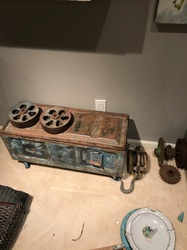
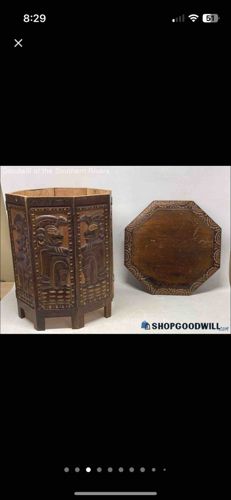
Wood carved African folding table. 24inches high, unsure about width

AI analysis below

AI appraisal

AI analysis & estimate

AI-Generated · Verify before acting

Everything below is generated by AI for informational purposes only. AI can make mistakes — the AI may misidentify items or misattribute them (artist, maker, brand, designer, origin, era). This is not an official valuation and should not be used for insurance, sale, tax, estate, legal, or lending purposes — or any decision requiring a certified appraisal. It is not an authoritative claim about any person, brand, or rights holder — do not share or rely on it as a factual statement about a third party. Always consult qualified professionals before making financial decisions.

Note

This analysis also relies on unverified notes provided by the user, which may be incomplete or inaccurate and could affect the result.

Read the full disclaimer

AI Identification

·Not independently authenticated·Verify before acting

African Wood Carved Folding Table

Furniture

AI Estimated Value

·Not an official valuation·Verify before acting

$100 - $200

As of June 6, 2026

AI Item Analysis

·AI can make mistakes·Verify before acting
The item is a wood carved African folding table approximately 24 inches in height. It appears to be made of a dark-toned wood, likely a hardwood given the intricate carving. The base of the table is hexagonal and features deeply carved panels on each face. These carvings depict figural scenes, possibly representing tribal figures in various poses or ritualistic settings. The style of carving appears traditional African, with a focus on bold, somewhat abstract forms and repetitive geometric patterns as borders or fills. The base is supported by short, sturdy feet integrated into the lower edge of the hexagonal structure. The tabletop is octagonal and rests on top of the base. It is also carved around the perimeter with a repeating pattern, possibly tribal or geometric motifs. The surface of the tabletop shows signs of wear, including scratches, scuffs, and potential water rings or stains, indicating use over time. The color of the wood is a rich brown with variations in tone, likely due to age and a natural or applied finish. The construction appears to utilize hinged or interlocking panels for the folding mechanism, though the specific method is not clearly visible. The overall condition shows a noticeable patina consistent with age and use. There are no visible manufacturer's marks, signatures, or stamps in the provided images. The style suggests this piece could date from the mid to late 20th century, possibly created for the export market or as a functional piece with decorative elements incorporating traditional African artistry. The craftsmanship appears good, with detailed carving, though the level of finish suggests it is more of a functional folk art piece rather than fine furniture.
AI Appraisal Report

·AI can make mistakes·Verify before acting
Upon examination of the provided images, this African folding table presents as a well-crafted example of traditional folk art, likely from the mid-to-late 20th century. The piece stands approximately 24 inches tall and features a hexagonal, folding base with deeply carved figural panels, and an octagonal top with geometric motifs. The dark hardwood exhibits a rich patina and signs of wear, such as scratches and scuffs, which are consistent with its age and functional purpose. This type of table is often referred to as a "Yoruba folding table" from Nigeria, though similar styles were produced across West Africa, often for the tourist or export market. The craftsmanship, while detailed, aligns more with functional folk art rather than fine, signed artisan furniture. Without maker's marks, specific attribution is challenging. The primary factor influencing its value is its decorative appeal as a piece of authentic African craft. The market for such items is steady, with comparable tables typically selling in the low to mid-hundreds, depending on the intricacy of the carving and overall condition. The noticeable wear on the tabletop slightly detracts from its value. A physical inspection would be necessary to confirm the wood type, assess the stability of the folding mechanism, and search for any hidden signatures. Furthermore, without provenance, authenticating it as a tribally used antique versus a piece made for export is impossible based on images alone. However, its visual appeal and craftsmanship support its current market value.

Get your items appraised

Instant estimates of your treasures with AI-powered appraisals

Browse More Appraisals