AI Appraisal Estimate

AI-generated estimates · not official valuations

From the user

What was submitted

Photo and notes provided by the user — not generated by AI

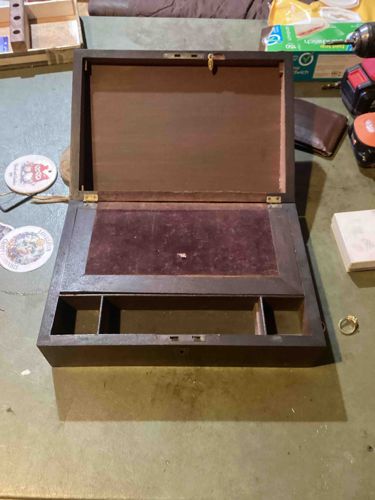
Submitted item photo
Submitted photo · June 27, 2026

User's notes

No additional notes provided.

AI analysis below

AI appraisal

AI analysis & estimate

AI-Generated · Verify before acting

Everything below is generated by AI for informational purposes only. AI can make mistakes — the AI may misidentify items or misattribute them (artist, maker, brand, designer, origin, era). This is not an official valuation and should not be used for insurance, sale, tax, estate, legal, or lending purposes — or any decision requiring a certified appraisal. It is not an authoritative claim about any person, brand, or rights holder — do not share or rely on it as a factual statement about a third party. Always consult qualified professionals before making financial decisions.

Read the full disclaimer

AI Identification

·Not independently authenticated·Verify before acting

Vintage Wooden Writing Slope

Antique Furniture and Stationery Accessories

AI Estimated Value

·Not an official valuation·Verify before acting

$150 - $250

As of June 27, 2026

AI Item Analysis

·AI can make mistakes·Verify before acting
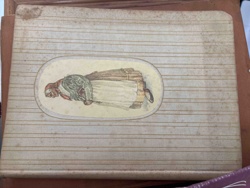
This is a rectangular wooden writing slope, likely dating from the mid to late 19th century (Victorian era). It is constructed from a dark-toned wood, possibly mahogany or walnut, featuring a hinged lid that opens to reveal a sloped writing surface. The lower portion of the writing surface is upholstered in a faded, maroon-colored velvet or baize, showing significant signs of wear and age-related thinning. Above the writing area is a divided compartment section designed to hold inkwells, pens, and other stationery tools. The box displays brass hardware, including a lock plate on the front and hinges, though the interior lock mechanism shows significant tarnish. Physically, the piece shows substantial wear appropriate for its age; the wood finish appears dry with a matte patina, and there are visible nicks, scratches, and abrasions across the grain. The interior shows dust accumulation and some structural looseness in the compartment dividers. No clear maker's marks are visible in the provided image, but the joinery and fitted compartments suggest a standard commercial production piece meant for travel or domestic correspondence. Use of solid wood and brass elements indicates a level of durable craftsmanship, though it requires professional cleaning and restoration to stabilize the finish and fabric.
AI Appraisal Report

·AI can make mistakes·Verify before acting
I have virtually examined this mid-to-late 19th-century mahogany or walnut writing slope. The piece displays the characteristic utilitarian design of the Victorian era, likely intended for domestic or travel use. My visual inspection confirms the presence of authentic age-related indicators, including brass tarnish, oxidation of the lock plate, and a matte patina on the primary wood surfaces. However, the condition is fair at best; the significant wear to the maroon velvet writing surface and the structural looseness in the interior dividers suggest a lack of maintenance that necessitates professional restoration. The market for 19th-century writing slopes is currently saturated with standard commercial examples. Items of this type, lacking rare veneers (such as calamander or coromandel), intricate brass inlays, or a verified manufacturer’s mark (e.g., Bramah or Edwards), generally trade at lower price points. The value is further impacted by the dryness of the wood and the visible abrasions, which deter collectors seeking 'showroom' quality pieces. Limitations: This appraisal is based solely on digital images. Without a physical inspection, I cannot verify the integrity of the hidden 'secret' compartments often found in these boxes, nor can I confirm if the wood is solid or a high-quality veneer. An in-person examination is required to verify the dovetail joinery and assess the screw heads for evidence of later repairs. To fully authenticate the piece as 19th-century and not a 20th-century revival, I would need to inspect the lock mechanism's internal markings and seek any provenance documentation such as original sales receipts or family correspondence that could establish a chain of ownership.

Get your items appraised

Instant estimates of your treasures with AI-powered appraisals

Browse More Appraisals