Early 18th Century Style Baluster Wine Glass
Antique Glassware

Early 18th Century Style Baluster Wine Glass

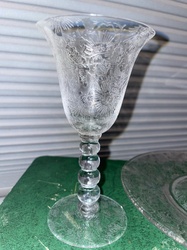
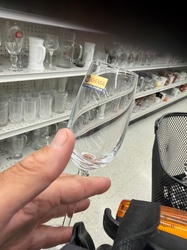
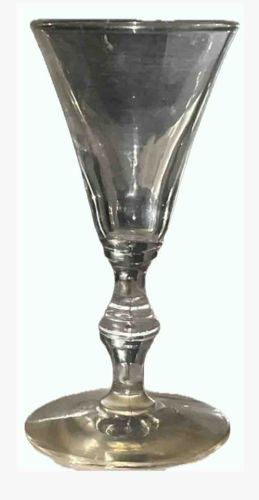
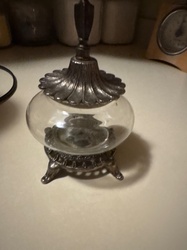
This is a clear lead-glass drinking vessel, specifically a wine glass or goblet, featuring a conical or 'V-shaped' bowl. The construction is highlights the baluster style, characterized by a complex stem with a central knop, sometimes referred to as an inverted baluster or a cushion knop. The stem joins the bowl with a thick, heavy base and terminates in a wide, circular folded foot, which provides stability and is a hallmark of early Georgian glassmaking techniques. The piece appears to be hand-blown, evidenced by the slight irregularities in the glass and the presence of small 'seeds' or air bubbles visible within the material. The glass has a subtle greyish tint common in early lead glass. Regarding condition, the piece shows surface wear consistent with age, including faint scratches and what appears to be a small chip or inclusion near the base of the bowl. The foot rim shows some clouding which may be due to minerals or light calcium deposits. The craftsmanship suggests a mid-to-late 18th-century English manufacturing origin or a high-quality late 19th-century reproduction in the Georgian style. The lack of a visible pontil mark on the underside of the base (due to the camera angle) makes definitive dating difficult, but the bowl shape and stem knop are aesthetically aligned with late Baroque/Early Georgian glassware.
Estimated Value

$450 - $650

Basic Information

Category

Antique Glassware

Appraised On

March 5, 2026

Estimated Value

$450 - $650

Additional Details Provided By Owner

User Provided Information

Vintage glassware

Item Description

This is a clear lead-glass drinking vessel, specifically a wine glass or goblet, featuring a conical or 'V-shaped' bowl. The construction is highlights the baluster style, characterized by a complex stem with a central knop, sometimes referred to as an inverted baluster or a cushion knop. The stem joins the bowl with a thick, heavy base and terminates in a wide, circular folded foot, which provides stability and is a hallmark of early Georgian glassmaking techniques. The piece appears to be hand-blown, evidenced by the slight irregularities in the glass and the presence of small 'seeds' or air bubbles visible within the material. The glass has a subtle greyish tint common in early lead glass. Regarding condition, the piece shows surface wear consistent with age, including faint scratches and what appears to be a small chip or inclusion near the base of the bowl. The foot rim shows some clouding which may be due to minerals or light calcium deposits. The craftsmanship suggests a mid-to-late 18th-century English manufacturing origin or a high-quality late 19th-century reproduction in the Georgian style. The lack of a visible pontil mark on the underside of the base (due to the camera angle) makes definitive dating difficult, but the bowl shape and stem knop are aesthetically aligned with late Baroque/Early Georgian glassware.
Get Your Items Appraised

Instant estimates of your treasures with AI-powered instant appraisals

Browse More Appraisals