AI identification & appraisal estimate

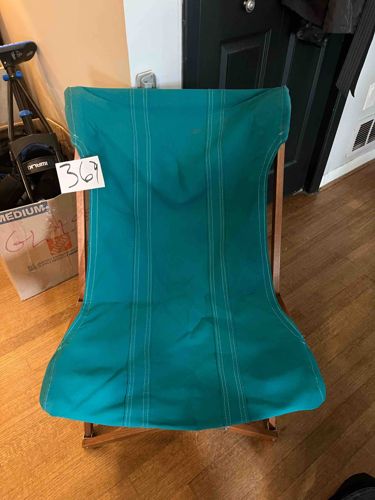
Folding Frame Chair with Removable Canvas

Submitted photo of Folding Frame Chair with Removable Canvas
Photo submitted by the user — not generated by AI

User's notes

Wood base. removable canvas. Made in Italy

These notes were written by the person who submitted this item. Appraiser.AI has not verified them, and the AI's identification and estimate may rely on them.

AI Estimated Value

Not an official valuation

$175-250

AI estimate as of June 15, 2025 · verify with a professional before acting

AI-Generated · Verify before acting

Everything on this page is generated by AI for informational purposes only. AI can make mistakes — the AI may misidentify items or misattribute them (artist, maker, brand, designer, origin, era). This is not an official valuation and should not be used for insurance, sale, tax, estate, legal, or lending purposes — or any decision requiring a certified appraisal. It is not an authoritative claim about any person, brand, or rights holder — do not share or rely on it as a factual statement about a third party. Always consult qualified professionals before making financial decisions.

This analysis also relies on unverified notes provided by the user, which may be incomplete or inaccurate and could affect the result.

Read the full disclaimer

AI Item Analysis

This item is a folding chair with a wooden frame and a removable canvas seat and back. The wood appears to be a light to medium-toned hardwood, possibly beech or similar, and the frame is constructed with simple, sturdy joints and pivoting mechanisms that allow it to fold flat. The canvas is a vibrant teal color with a subtle textured weave. It is reinforced with white or light-colored stitching in vertical lines, creating a visually appealing striped effect on the seating surface and backrest. The canvas sling conforms to the shape of the body for comfort. There are no visible manufacturer markings or stamps on the chair frame or canvas in the provided images. The chair shows some signs of use, including slight wear on the wood and possible minor discoloration or marks on the canvas, though the overall condition appears to be fair. The removable nature of the canvas suggests it can be cleaned or replaced. Based on the style and construction, it is likely a piece designed for casual use, either indoors or outdoors, although the lack of rust-resistant components suggests primary indoor use or protected outdoor environments. The design suggests a possible Mid-Century Modern influence, though without a maker's mark and more detailed construction information, a precise age is difficult to determine, but it likely dates from the mid to late 20th century. The quality of craftsmanship appears to be decent for a functional folding chair.


AI Appraisal Report

Upon examining the images and owner-provided details, I have appraised this Folding Frame Chair. The chair features a hardwood frame, likely beech, and a removable teal canvas sling. The design is utilitarian yet stylish, reminiscent of Mid-Century Modern aesthetics, and its 'Made in Italy' origin adds a layer of desirable provenance, often associated with quality design and craftsmanship from that era. The overall condition appears fair to good, with signs of gentle use consistent with its age, likely dating to the mid-to-late 20th century. The market for Italian Mid-Century Modern furniture remains strong, particularly for well-designed, functional pieces. Chairs of this type, often referred to as 'campaign' or 'director' style chairs, are popular for their versatility and minimalist appeal. Without a specific designer or manufacturer mark, its value is determined by its aesthetic quality, origin, and condition rather than by a famous name. Comparable unmarked Italian-made folding chairs from this period typically sell in the $150 to $350 range, depending on the platform and buyer interest. The primary factor impacting value is its anonymous make. If a maker such as Fratelli Reguitti or a known designer could be identified, the value could increase significantly. Authentication is limited by the digital images. A physical inspection would be required to closely examine the wood, joinery, and any faint stamps or markings that might identify the maker. Verifying the originality of the canvas would also be crucial, as replacements can affect value.

Keep exploring

More furniture appraisals

Get your items appraised

Instant AI-powered appraisal estimates from a photo

Browse More Appraisals