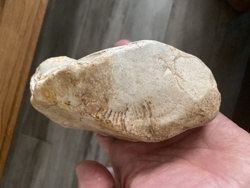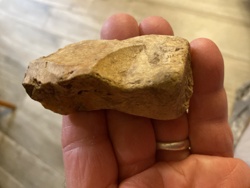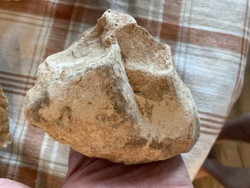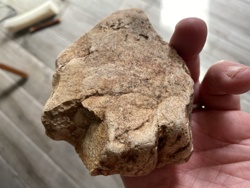
Chert Hand Axe / Lithic Scraper Tool
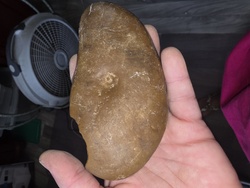
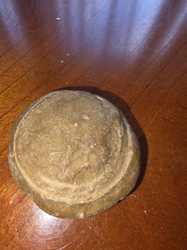
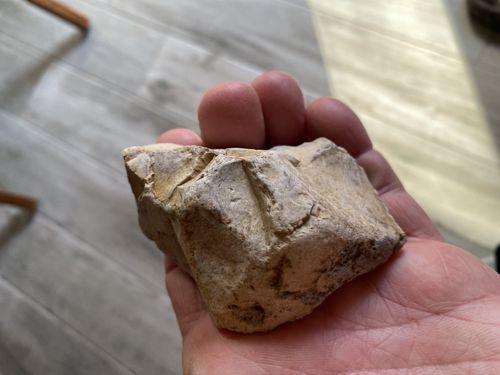
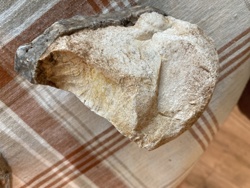
This is a Middle Paleolithic style lithic artifact, specifically identified as a chert hand axe or scraper tool. Measuring approximately 3 inches by 2.5 inches, the object is crafted from a light tan to buff-colored chert, a hard sedimentary rock favored for toolmaking due to its predictable fracture patterns. The item exhibits clear evidence of intentional percussion flaking, with visible conchoidal fracture scars where flakes were removed to shape the piece and create functional edges. The construction is robust, featuring a thick cross-section that transitions into tapered, worked margins likely used for scraping or cutting tasks. Heavily weathered with a distinct surface patina, the tool shows softened edges and some minor iron oxide staining, which is consistent with long-term environmental exposure. The overall condition is stable, though it displays prehistoric wear along the working edges and some modern surface abrasions. Its form is ergonomic for a hand-held grip, typical of early human stone tool technology from the Oklahoma region. The craftsmanship reflects a utilitarian approach to lithic reduction, prioritizing edge durability and hand-fit over aesthetic refinement, representing a significant piece of regional pre-history and early human habitation in what is now Guthrie, OK.
AI-Generated Appraisal Disclaimer
Estimated Value
$45 - $85
Basic Information
Category
Prehistoric Stone Artifacts
Appraised On
February 23, 2026
Estimated Value
$45 - $85
Additional Details Provided By Owner
User Provided Information
Middle Paleolithic chert hand axe lithic scraper tool found in Guthrie OK measuring 3" x 2.5
Item Description
This is a Middle Paleolithic style lithic artifact, specifically identified as a chert hand axe or scraper tool. Measuring approximately 3 inches by 2.5 inches, the object is crafted from a light tan to buff-colored chert, a hard sedimentary rock favored for toolmaking due to its predictable fracture patterns. The item exhibits clear evidence of intentional percussion flaking, with visible conchoidal fracture scars where flakes were removed to shape the piece and create functional edges. The construction is robust, featuring a thick cross-section that transitions into tapered, worked margins likely used for scraping or cutting tasks. Heavily weathered with a distinct surface patina, the tool shows softened edges and some minor iron oxide staining, which is consistent with long-term environmental exposure. The overall condition is stable, though it displays prehistoric wear along the working edges and some modern surface abrasions. Its form is ergonomic for a hand-held grip, typical of early human stone tool technology from the Oklahoma region. The craftsmanship reflects a utilitarian approach to lithic reduction, prioritizing edge durability and hand-fit over aesthetic refinement, representing a significant piece of regional pre-history and early human habitation in what is now Guthrie, OK.
Get Your Items Appraised
Instant estimates of your treasures with AI-powered instant appraisals