AI Appraisal Estimate

AI-generated estimates · not official valuations

From the user

What was submitted

Photo and notes provided by the user — not generated by AI

Submitted item photo
Submitted photo · May 19, 2026

User's notes

Hand painted

AI analysis below

AI appraisal

AI analysis & estimate

AI-Generated · Verify before acting

Everything below is generated by AI for informational purposes only. AI can make mistakes — the AI may misidentify items or misattribute them (artist, maker, brand, designer, origin, era). This is not an official valuation and should not be used for insurance, sale, tax, estate, legal, or lending purposes — or any decision requiring a certified appraisal. It is not an authoritative claim about any person, brand, or rights holder — do not share or rely on it as a factual statement about a third party. Always consult qualified professionals before making financial decisions.

Note

This analysis also relies on unverified notes provided by the user, which may be incomplete or inaccurate and could affect the result.

Read the full disclaimer

AI Identification

·Not independently authenticated·Verify before acting

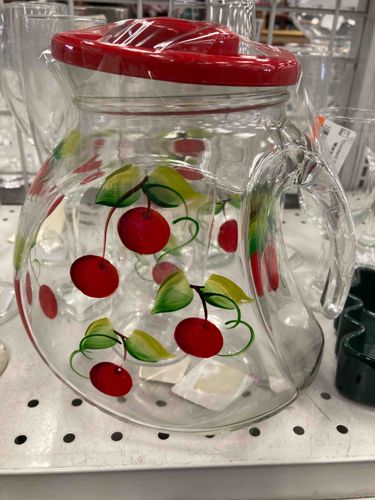
Hand-Painted Cherry Glass Pitcher with Red Lid

Kitchenware / Glassware

AI Estimated Value

·Not an official valuation·Verify before acting

$15.00 - $25.00

As of May 19, 2026

AI Item Analysis

·AI can make mistakes·Verify before acting
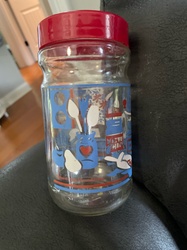
This item is a bulbous-shaped glass water or juice pitcher featuring a hand-painted cherry motif. The pitcher is constructed from clear, transparent glass with a wide body that tapers toward a flared rim and a molded, integral glass handle designed for an ergonomic grip. The decorative elements consist of vibrant red cherries and green leaves with yellow highlights, rendered in a folk-art style with visible brushwork and swirling green tendrils. A bright red plastic lid with a pouring spout is seated on the top. Its design suggests a late 20th-century aesthetic, likely produced between the 1980s and early 2000s in a mass-market but artisan-inspired style, such as those found in specialty gift or houseware shops. The condition appears to be good with no obvious chips or cracks in the glass, though there is a slight transparency to the red paint in some areas, which is typical of hand-applied enamels. A retail price tag is visible on the side, suggesting it is currently in a resale or thrift environment. The overall craftsmanship is consistent with high-volume decorative glassware meant for domestic use rather than fine collectible crystal.
AI Appraisal Report

·AI can make mistakes·Verify before acting
I have examined the digital images and description of this hand-painted glass pitcher with its corresponding red plastic lid. The item presents as a functional piece of contemporary houseware, likely dating from the 1980s to early 2000s. The bulbous form and integral handle reflect mass-production techniques, while the hand-painted cherry motif adds a folk-art aesthetic intended to mimic boutique artisanal work. The condition appears sound; the glass maintains its clarity, and the cold-painted enamel shows only minor translucency, which is standard for this grade of decorative glassware. The market for this specific type of glassware is dominated by secondary resale platforms and thrift environments. It lacks a maker’s mark or signature that would elevate it to a collectible category like Blenko or Fenton. Comparables found in vintage marketplaces typically sell within the $15 to $25 range, as the value is driven primarily by its utility and decorative 'cottagecore' appeal rather than rarity or historical significance. The inclusion of the original plastic lid preserves its full functional value, though plastic components are prone to degradation over time. Limitations of this appraisal include the inability to physically inspect the piece for 'flea bites' (under-the-rim chips) or tactile residues that suggest a specific paint type. A definitive authentication of the glass manufacturer would require a physical search for sand-blasted stamps or original paper labels. Furthermore, scientific testing of the enamel would be necessary to confirm lead content, which often dictates whether such vintage items should remain purely decorative or can be used for food service. Provenance was not provided, though for an item of this class, provenance rarely impacts the market value significantly.

Get your items appraised

Instant estimates of your treasures with AI-powered appraisals

Browse More Appraisals