AI identification & appraisal estimate

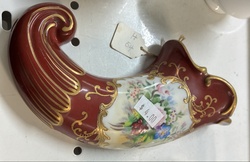
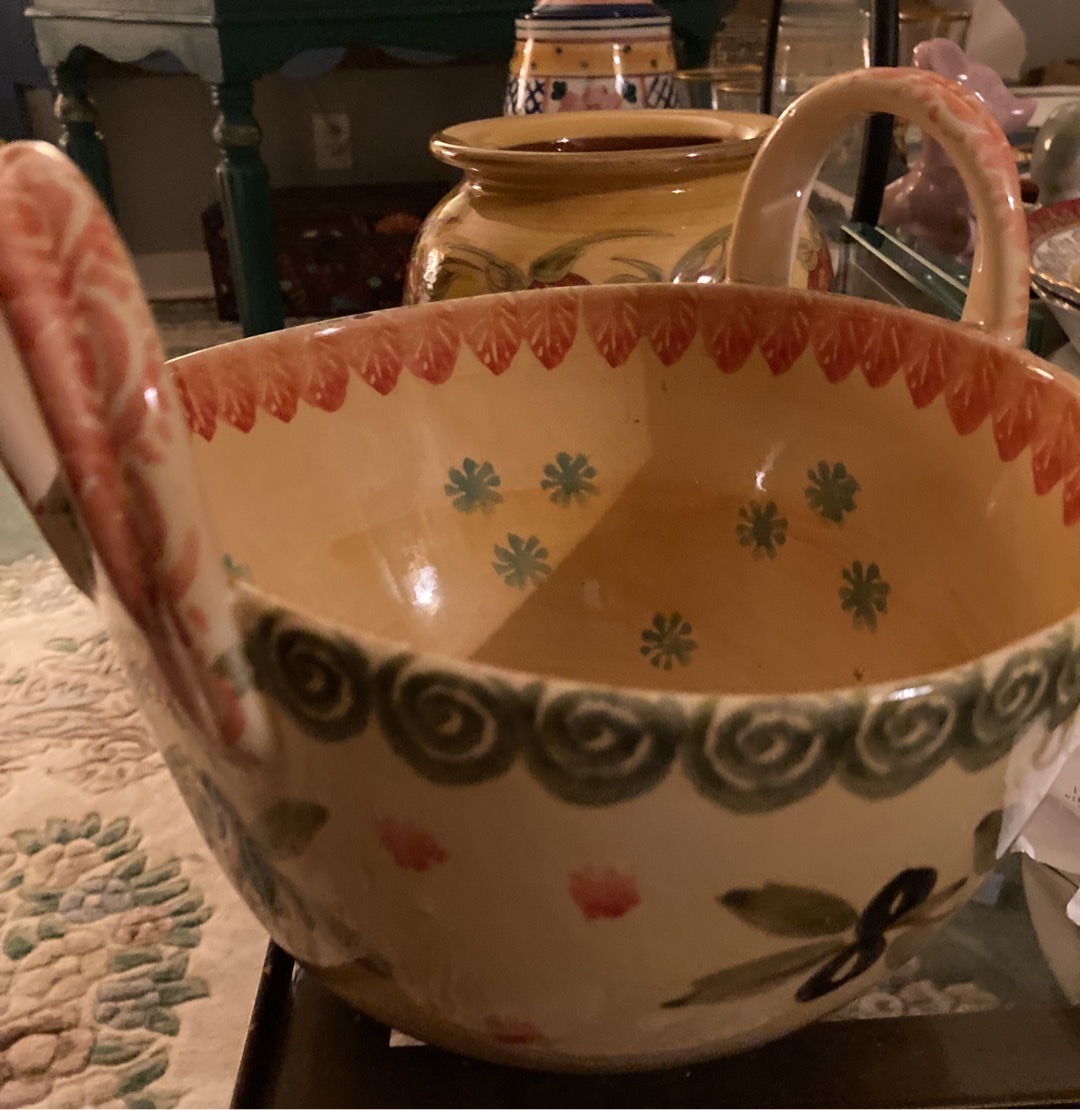
ceramic bowl in the Italian majolica style

This name is the AI's identification of the item — it may be incorrect.

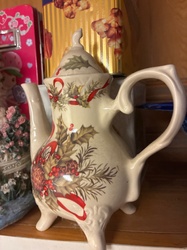
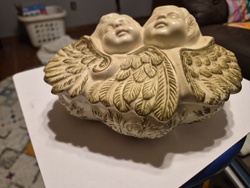
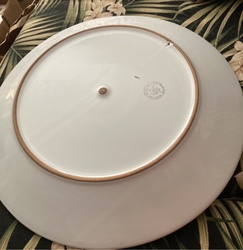
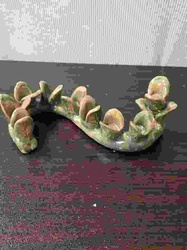
Submitted photo of ceramic bowl in the Italian majolica style
Photo submitted by the user — not generated by AI

User's notes

made in italy hand painted

These notes were written by the person who submitted this item. Appraiser.AI has not verified them, and the AI's identification and estimate may rely on them.

AI Estimated Value

Not an official valuation

$250–$450

AI estimate as of July 31, 2026 · verify with a professional before acting

AI-Generated · Verify before acting

Everything on this page is generated by AI for informational purposes only. AI can make mistakes — the AI may misidentify items or misattribute them (artist, maker, brand, designer, origin, era). This is not an official valuation and should not be used for insurance, sale, tax, estate, legal, or lending purposes — or any decision requiring a certified appraisal. It is not an authoritative claim about any person, brand, or rights holder — do not share or rely on it as a factual statement about a third party. Always consult qualified professionals before making financial decisions.

This analysis also relies on unverified notes provided by the user, which may be incomplete or inaccurate and could affect the result.

Read the full disclaimer

AI Item Analysis

This is a large, two-handled ceramic bowl featuring hand-painted decorative elements, appearing stylistically consistent with traditional Italian earthenware pottery. The piece is constructed from cream-colored glazed ceramic, with a glossy finish. Physical characteristics include a rounded, deep body with a wide rim, flanked by two large, looped vertical handles attached to opposing sides. The interior and exterior surfaces are adorned with polychrome hand-painted motifs: the interior rim features a repeating orange-red leaf or petal border, dotted with small blue-green floral star accents scattered across the inner base and walls. The exterior showcases a band of green scrollwork just below the rim, alongside faint reddish and green floral or botanical motifs lower on the body. Regarding condition, the glaze appears generally smooth and intact with minor surface sheen, though subtle variations and imperfections are visible, suggesting hand-crafted production rather than industrial perfection. There are no visible maker's marks, signatures, or stamps discernible in the photograph. The hedged name is used because no maker's mark or identifying label is clearly visible in the image to confirm a specific workshop or exact origin. The owner's unverified notes suggest that the piece was made in Italy and hand-painted, which aligns with the decorative aesthetic of Italian majolica or earthenware styles, though this claim remains unverified without physical inspection, expert authentication, or a clear maker's stamp. Quality indicators such as the hand-applied brushstrokes point toward artisanal craftsmanship typical of decorative ceramics from European pottery traditions.
AI Appraisal Report

Based on what I can see in the photograph, this large, two-handled ceramic bowl displays features stylistically consistent with traditional Italian majolica or earthenware pottery, including polychrome hand-painted floral motifs and a glossy cream-colored glaze. Per user submission, the piece is attributed as made in Italy and hand-painted. However, I cannot verify from a photo alone whether this claim is correct, as no maker's marks, signatures, or stamps are discernible to confirm a specific workshop or exact origin. Physical inspection would be needed to evaluate the fabric, glaze composition, and age markers. Assuming the attribution is correct and the piece exhibits genuine artisanal craftsmanship typical of European decorative ceramics, I estimate the market value to be in the $250–$450 range, supported by general market demand for decorative majolica-style earthenware. If the item turns out to be a modern reproduction, decorative replica, or made 'in the style of' rather than a traditional regional piece, the value would likely decrease significantly, dropping into the $50–$150 range. To confirm authenticity, origin, and age, an in-person examination by a qualified ceramics expert and potential scientific testing or provenance documentation would be required.

Keep exploring

More ceramics appraisals

Get your items appraised

Instant AI-powered appraisal estimates from a photo

Browse More Appraisals