AI identification & appraisal estimate

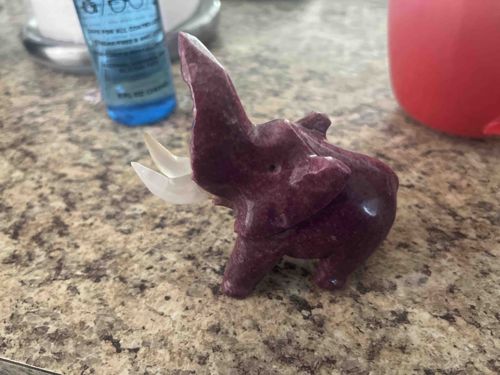
Hand-Carved Purple Soapstone Elephant Figurine

Submitted photo of Hand-Carved Purple Soapstone Elephant Figurine
Photo submitted by the user — not generated by AI

AI Estimated Value

Not an official valuation

$15 - $35

AI estimate as of March 22, 2026 · verify with a professional before acting

AI-Generated · Verify before acting

Everything on this page is generated by AI for informational purposes only. AI can make mistakes — the AI may misidentify items or misattribute them (artist, maker, brand, designer, origin, era). This is not an official valuation and should not be used for insurance, sale, tax, estate, legal, or lending purposes — or any decision requiring a certified appraisal. It is not an authoritative claim about any person, brand, or rights holder — do not share or rely on it as a factual statement about a third party. Always consult qualified professionals before making financial decisions.

Read the full disclaimer

AI Item Analysis

This is a small, hand-carved decorative figurine of an elephant with its trunk raised. The piece is crafted from a rich, deep purple-colored natural stone, likely dyed soapstone or a similar soft mineral such as selenite or fluorite, characterized by a semi-matte to slightly polished finish. The elephant is depicted in a jubilant pose with its trunk pointed upward, which is often considered a symbol of good luck. A notable feature is the pair of inserted tusks, which appear to be made from a translucent white material, possibly plastic, acrylic, or a lighter stone like quartz. The carving style is rustic and folk-art inspired, showing visible tool marks and a slightly irregular, artisanal shape rather than mass-produced precision. The color displays natural variations and mottling typical of carved stone. In terms of condition, the item shows minor surface wear consistent with age, though no major chips or structural cracks are visible in the photograph. The style is indicative of souvenir art or giftware from the late 20th century to the present, often produced in regions known for stone carving such as Kenya or India. The craftsmanship is simple yet charming, focusing on the silhouette and color of the stone rather than intricate anatomical detail.
AI Appraisal Report

Based on my visual examination of the hand-carved soapstone elephant figurine, I have assessed it as a piece of decorative folk art, likely originating from a late 20th-century artisan tradition in Kenya or India. The deep purple coloration, while striking, is characteristic of dyed soapstone rather than rarer high-grade minerals like fluorite. The trunk-up pose is a popular 'good luck' motif, giving it appeal in the giftware market. The condition appears sound, though visible tool marks and the use of synthetic (likely acrylic) tusks confirm this as a mass-produced souvenir item rather than a unique fine-art sculpture. The market for these items is saturated; similar carvings are readily available at craft fairs, imports shops, and online marketplaces, which keeps the secondary market value low. Its charm lies in its artisanal texture and color rather than rarity or investment potential. Because this appraisal is based on digital images, I cannot definitively confirm the mineral composition or the presence of hidden cracks. A physical inspection would be required to verify the stone's hardness on the Mohs scale, identify the specific dye agents used, and ensure the tusks are not an organic material like bone. Documentation of origin or an artist's signature would provide more context but would unlikely increase the valuation significantly given the common nature of the craftsmanship.

Keep exploring

More decorative collectibles / animal figurines appraisals

Get your items appraised

Instant AI-powered appraisal estimates from a photo

Browse More Appraisals