AI Appraisal Estimate

AI-generated estimates · not official valuations

From the user

What was submitted

Photo and notes provided by the user — not generated by AI

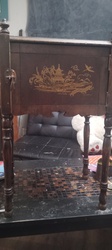
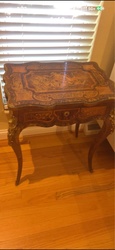
Submitted item photo
Submitted photo · June 17, 2026

User's notes

No additional notes provided.

AI analysis below

AI appraisal

AI analysis & estimate

AI-Generated · Verify before acting

Everything below is generated by AI for informational purposes only. AI can make mistakes — the AI may misidentify items or misattribute them (artist, maker, brand, designer, origin, era). This is not an official valuation and should not be used for insurance, sale, tax, estate, legal, or lending purposes — or any decision requiring a certified appraisal. It is not an authoritative claim about any person, brand, or rights holder — do not share or rely on it as a factual statement about a third party. Always consult qualified professionals before making financial decisions.

Read the full disclaimer

AI Identification

·Not independently authenticated·Verify before acting

Early 20th Century Wood Beverage or Bar Cabinet

Antique Furniture

AI Estimated Value

·Not an official valuation·Verify before acting

$450 - $750

As of June 17, 2026

AI Item Analysis

·AI can make mistakes·Verify before acting
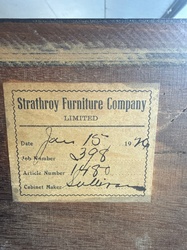
This is a tall, freestanding wooden cabinet, likely used as a liquor or beverage cabinet, dating from the early to mid-20th century. The piece features a two-tiered construction with a darker, rich wood finish, potentially walnut or mahogany veneer. The upper section consists of two large cabinet doors adorned with oval-shaped decorative relief carvings and a central hardware latch. These doors open to reveal an interior storage space. The lower section features a single, wide drawer or fold-down compartment with similar decorative relief work and a scalloped bottom edge. It is supported by four elegant cabriole-style legs that end in ball-and-claw feet, connected by a cross-stretcher for added stability. The hinges appear to be exposed metal, contributing to the furniture's decorative antique aesthetic. Visible condition issues include some surface scuffing and potential fading of the wood finish, particularly along the edges and lower trim, suggesting a natural patina consistent with age. There are no immediately visible maker's marks in this low-resolution image, but the overall craftsmanship and cabriole legs point toward a Revival or Queen Anne influence popular in 1920s-1940s American furniture design. The hardware appears original, though some tarnish may be present on the metal components.
AI Appraisal Report

·AI can make mistakes·Verify before acting
I have conducted a visual analysis of this early 20th-century wood beverage cabinet, which appears to be a Queen Anne Revival piece likely manufactured between 1925 and 1945. The walnut veneers and relief-carved oval medallions are characteristic of high-quality mass production from American furniture centers like Grand Rapids during this era. The cabriole legs and ball-and-claw feet remain in good structural condition, though the visible surface scuffing and finish thinning on the lower scalloped trim suggest a need for light conservation. This patina is consistent with sympathetic aging but does detract slightly from the 'mint' secondary market value. Currently, the market for 'Brown Furniture' remains soft; however, functional beverage and bar cabinets maintain a niche demand due to the popularity of home entertaining. Comparables for standard Revival-style cabinets of this size typically hammer between $400 and $800 at regional auctions. Factors limiting value include the lack of a documented maker's mark (such as Kittinger or Baker) and the lack of interior fitted accessories, such as glass racks or mirrors, which often command a premium. It is important to note that this appraisal is based on photographic evidence only. A physical inspection is required to determine if the veneers are lifting, if the hinges are original or replacements, and to search for internal stencils or labels. Full authentication would require examining the drawer joinery—to verify machine-cut dovetails versus hand-cut—and checking the underside for appropriate oxidation of the secondary woods (likely poplar or pine). Without provenance documentation or physical inspection, the distinction between a high-end 1920s piece and a mid-century imitation cannot be definitively confirmed.

Related Tags

Explore similar items and categories

Get your items appraised

Instant estimates of your treasures with AI-powered appraisals

Browse More Appraisals