AI estimate as of December 6, 2025 · verify with a professional before acting
AI-Generated · Verify before acting
Everything on this page is generated by AI for informational purposes only. AI can make mistakes — the AI may misidentify items or misattribute them (artist, maker, brand, designer, origin, era). This is not an official valuation and should not be used for insurance, sale, tax, estate, legal, or lending purposes — or any decision requiring a certified appraisal. It is not an authoritative claim about any person, brand, or rights holder — do not share or rely on it as a factual statement about a third party. Always consult qualified professionals before making financial decisions.
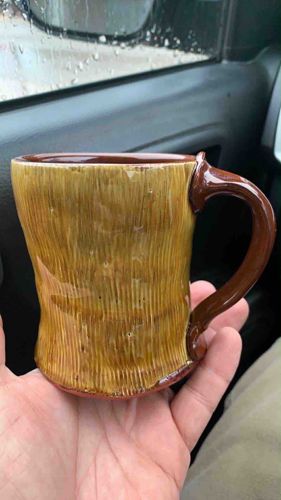
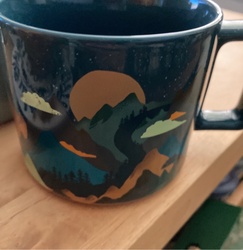
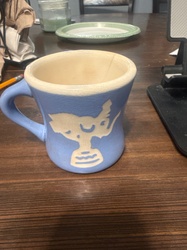
This is a ceramic mug designed with a distinctive wood grain texture on its exterior. The mug predominantly features a warm, golden-brown glaze on its body, intended to mimic the appearance of tree bark or aged wood. The texture is characterized by vertical grooves and subtle undulating patterns, giving it a tactile and organic feel. The interior of the mug, as well as the handle and the rim, are finished in a contrasting rich, dark brown, high-gloss glaze. The handle is C-shaped, appears sturdy, and is smoothly glazed, providing a comfortable grip. The base of the mug, not fully visible but indicated by a reddish-brown line, suggests an unglazed or differently glazed bottom, typical for ceramic pieces to prevent sticking during firing. There are no clear manufacturer's marks or signatures visible from the provided image. The overall style suggests a rustic, artisanal, or possibly folk-craft aesthetic, likely from the mid to late 20th century or a contemporary piece designed with a vintage flair. Visible condition issues appear minimal, with the glaze showing uniform coverage and no obvious chips, cracks, or significant wear. There are some minor surface irregularities and slight variations in the depth of the textured grooves, which are consistent with hand-crafted pottery and add to its unique character rather than indicating damage. The craftsmanship appears to be of good quality, focusing on aesthetic appeal and functional design. The mug's size is suggested by the hand holding it, appearing to be a standard capacity mug, suitable for coffee, tea, or other beverages.
AI Appraisal Report
Upon visual examination of the Wood Grain Textured Ceramic Mug, I assess its condition to be excellent. The glazes show uniform coverage, and there are no visible chips, cracks, or significant wear. Minor surface irregularities and slight variations in the texture are consistent with its hand-crafted nature and do not detract from its value. Authenticity, based solely on the image, points to a decorative ceramic mug, likely a contemporary piece designed with a rustic or folk-craft aesthetic. There are no obvious manufacturer's marks to confirm its origin or age conclusively from the provided image.
In terms of market conditions, similar new and pre-owned decorative ceramic mugs with unique textures or artistic glazes typically retail for $10-$30. Comparables often include artisan pottery or mass-produced items mimicking a handmade look. Demand for such items is generally steady, driven by consumers seeking unique kitchenware or gift items. Rarity is low; while the specific design is unique, similar wood-grain textured mugs are not uncommon.
Factors impacting value include its good condition and pleasing aesthetic. However, the absence of any identifiable maker's mark significantly limits its potential as a collectible, placing it firmly in the decorative utilitarian category. Without provenance documentation or a known artist/maker, its value remains at the lower end of the ceramic mug market.
It is important to note the limitations of image-based appraisal. Full authentication would require in-person examination to assess the quality of the ceramic body, glaze application details, and potential hidden marks. Scientific testing could determine the composition of the ceramic and glazes, and UV light examination could reveal repairs, none of which are possible from an image alone.