AI Appraisal Estimate

AI-generated estimates · not official valuations

From the user

What was submitted

Photo and notes provided by the user — not generated by AI

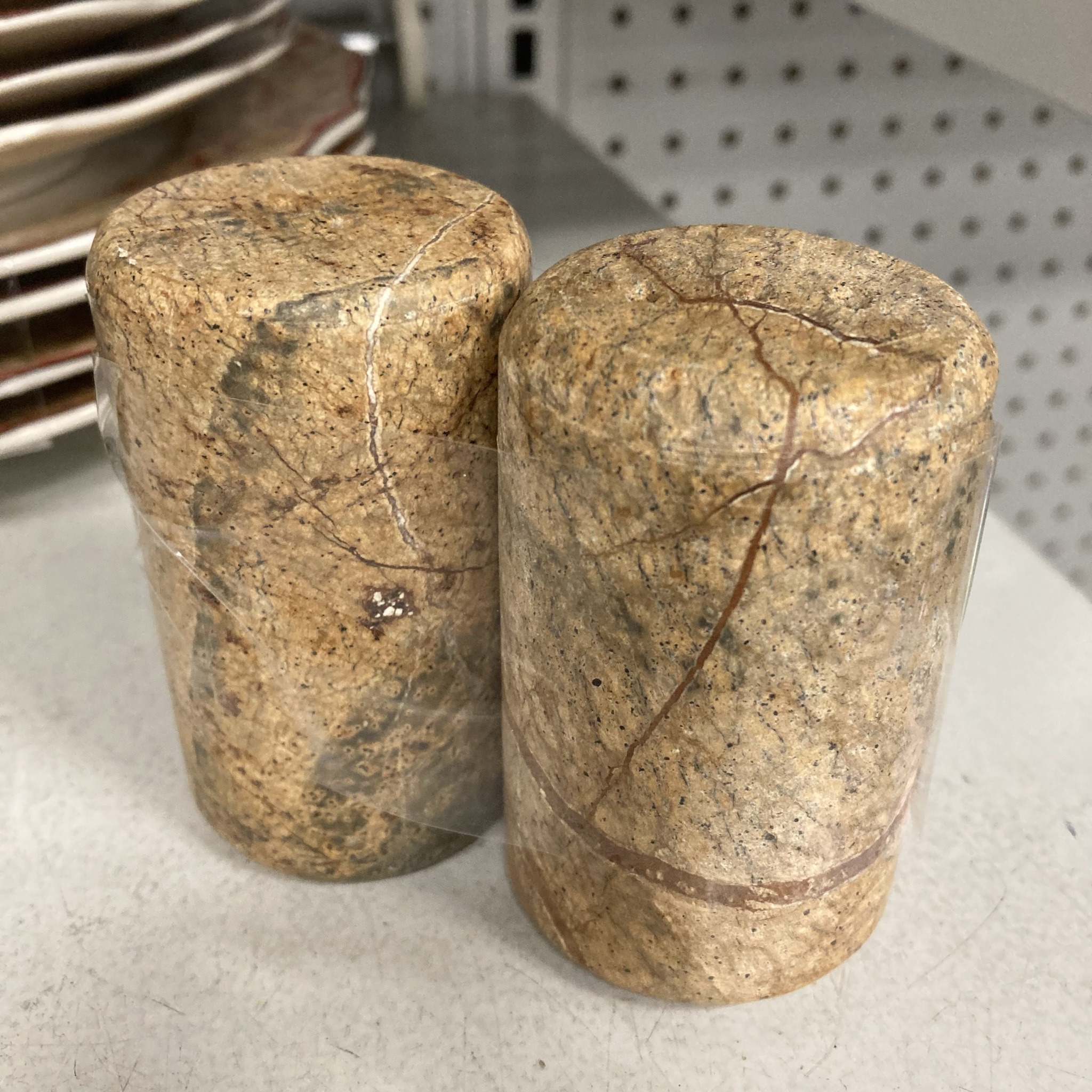
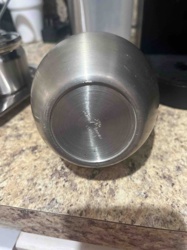
Submitted item photo
Submitted photo · June 26, 2026

User's notes

No additional notes provided.

AI analysis below

AI appraisal

AI analysis & estimate

AI-Generated · Verify before acting

Everything below is generated by AI for informational purposes only. AI can make mistakes — the AI may misidentify items or misattribute them (artist, maker, brand, designer, origin, era). This is not an official valuation and should not be used for insurance, sale, tax, estate, legal, or lending purposes — or any decision requiring a certified appraisal. It is not an authoritative claim about any person, brand, or rights holder — do not share or rely on it as a factual statement about a third party. Always consult qualified professionals before making financial decisions.

Read the full disclaimer

AI Identification

·Not independently authenticated·Verify before acting

Stone Cylinder Salt and Pepper Shakers

Kitchenware & Tabletop Accessories

AI Estimated Value

·Not an official valuation·Verify before acting

$45–$75

As of June 26, 2026

AI Item Analysis

·AI can make mistakes·Verify before acting
This is a pair of cylindrical salt and pepper shakers meticulously carved from a natural metamorphic rock, likely a variety of marble or quartzite featuring iron-rich mineralization. Each shaker measures approximately 3 to 4 inches in height with a consistent diameter throughout the body, terminating in a slightly rounded, beveled top edge. The stone displays a complex, earth-toned palette dominated by ochre, tan, and buff hues, heavily accented by dark dendritic inclusions and dramatic ferruginous veining in shades of deep rust and mahogany. These 'lightning' veins are characteristic of natural geological formations, giving each piece a unique, organic aesthetic. The surface finish is a smooth, low-sheen matte to semi-polish, preserving the tactile quality of the stone while providing a functional grip. The construction involves a solid bore-out through the center of the stone cylinder to house the seasoning. Currently, the pair is fastened together with clear adhesive transport tape, which has blurred some surface detail but indicates they are being sold as a set. No visible maker's marks or signatures are present on the exterior walls, suggesting a craft-oriented or mid-century souvenir production style, likely late 20th century. The condition appears sound with no major chips or structural fractures, though the natural fissures inherent in the stone are visible. The craftsmanship is high, evidenced by the symmetrical turning and uniform wall thickness required to hollow out solid stone without breakage.
AI Appraisal Report

·AI can make mistakes·Verify before acting
I have examined the stone cylinder salt and pepper shakers via the provided high-resolution imagery. The items appear to be late 20th-century artisan-crafted table accessories, likely turned from natural alabaster or ferruginous marble. The craftsmanship displays high technical skill, particularly in the uniform wall thickness and symmetrical hollowing of the solid stone cylinders. Visually, the condition is good; the 'lightning' veins are natural mineral inclusions, not structural fractures. The use of transport tape suggests a secondary market context. The market for mid-century to late-modernist stone kitchenware remains steady among 'Organic Modern' collectors, though the lack of a designer hallmark (such as those by Arthur Court or standard Italian makers) limits the value to that of high-quality decorative craft rather than a branded collectible. Comparables for unbranded stone shaker sets of this era typically realize between $35 and $80 at boutique vintage outlets. Factors positively impacting value include the dramatic dendritic patterns and the matched nature of the set. Limitations of this virtual appraisal include the inability to inspect the base for hidden signatures, verify the plug type (plastic vs. cork), or perform a tactile check for micro-chipping along the beveled rims. A full authentication would require an in-person inspection to verify the specific mineral composition via a hardness test and confirm the absence of synthetic resin stabilizing agents. Provenance documentation regarding the original retailer or artisan workshop would further solidify the valuation within the cited range.

Get your items appraised

Instant estimates of your treasures with AI-powered appraisals

Browse More Appraisals