AI estimate as of August 2, 2025 · verify with a professional before acting
AI-Generated · Verify before acting
Everything on this page is generated by AI for informational purposes only. AI can make mistakes — the AI may misidentify items or misattribute them (artist, maker, brand, designer, origin, era). This is not an official valuation and should not be used for insurance, sale, tax, estate, legal, or lending purposes — or any decision requiring a certified appraisal. It is not an authoritative claim about any person, brand, or rights holder — do not share or rely on it as a factual statement about a third party. Always consult qualified professionals before making financial decisions.
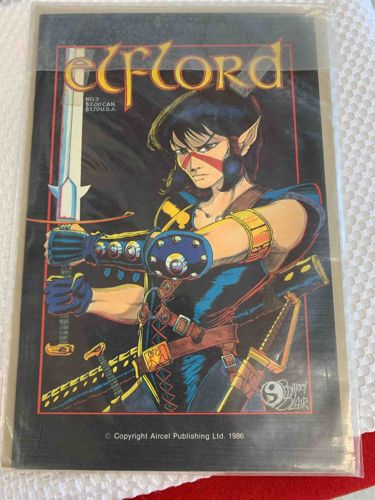
Upon examining the provided image of ElfLord #3, my assessment is based on its visual characteristics. The comic appears to be in very good to fine condition, showing only minor wear on the corners, which is consistent with its 1986 copyright date. The cover art by Barry Blair is vibrant, with no immediately visible creases, tears, or significant discoloration. It is housed in a protective sleeve, which has likely helped maintain its state. Authenticity is supported by the Aircel Publishing copyright notice, the distinctive art style, and the '$2.00' cover price, all typical for an independent comic from this era.
ElfLord has a dedicated cult following but is not a mainstream title, which affects its market value. While not exceptionally rare, high-grade copies of early issues can be sought after by collectors of 1980s independent fantasy comics. Market comparables for ungraded copies in similar condition from this period typically sell in a modest price range. The key value driver here is the condition; a professional grade could significantly alter its worth. However, a significant limitation of this appraisal is that it is based solely on a digital image. I cannot physically inspect the interior pages for completeness, brittleness, or any hidden defects like water damage. Full authentication would require an in-person examination to confirm the paper quality, check for restoration, and verify the integrity of the staples and spine.