AI identification & appraisal estimate

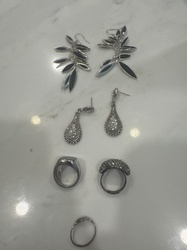
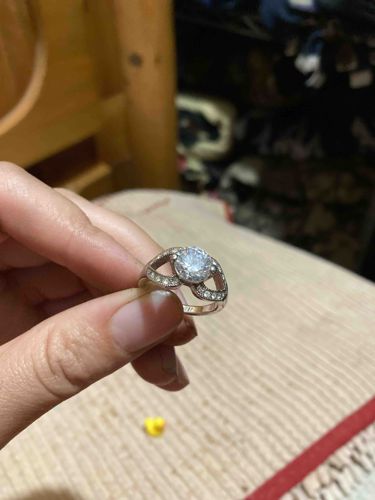
Silver-Tone Solitaire Ring with Pave Accents

This name is the AI's identification of the item — it may be incorrect.

Submitted photo of Silver-Tone Solitaire Ring with Pave Accents
Photo submitted by the user — not generated by AI

AI Estimated Value

Not an official valuation

$75 - $150

AI estimate as of September 9, 2025 · verify with a professional before acting

AI-Generated · Verify before acting

Everything on this page is generated by AI for informational purposes only. AI can make mistakes — the AI may misidentify items or misattribute them (artist, maker, brand, designer, origin, era). This is not an official valuation and should not be used for insurance, sale, tax, estate, legal, or lending purposes — or any decision requiring a certified appraisal. It is not an authoritative claim about any person, brand, or rights holder — do not share or rely on it as a factual statement about a third party. Always consult qualified professionals before making financial decisions.

Read the full disclaimer

AI Item Analysis

This item is a silver-tone ring featuring a prominent central solitaire stone flanked by two curving bands adorned with pave-set smaller accent stones. The ring appears to be constructed from a metallic material, likely sterling silver or a white gold alloy, given its grayish-white luster, though the exact metal content cannot be definitively determined from the image. The central stone is a large, round, faceted brilliant-cut gem, which, based on its optical properties and the lack of distinct natural inclusions visible, is likely a cubic zirconia, synthetic sapphire, or possibly a very clean diamond. Its diameter appears to be approximately 8-10mm. Two graceful, undulating bands extend from either side of the central setting, meeting in a delicate curve before joining the main shank of the ring. These bands are encrusted with numerous smaller, round, pave-set stones, enhancing the overall sparkle and elaborate design. The craftsmanship seems to be of a good commercial quality, with stones well-set and the metal exhibiting a polished finish, though some minor surface scratches consistent with normal wear might be present upon closer inspection, particularly on the underside of the shank which is not fully visible. There are no discernible maker's marks or signatures visible in the provided image. The style suggests a contemporary or modern design, likely manufactured in the late 20th or early 21st century. The bifurcated shoulder design with pave accents around a larger central stone is a popular and classic choice for engagement or dress rings, offering significant visual impact.
AI Appraisal Report

Based on my visual examination of the provided image of this Silver-Tone Solitaire Ring with Pave Accents, I assess its condition as good, consistent with normal wear. The design is contemporary, likely from the late 20th or early 21st century. Authenticity of materials is limited by image-only review; the 'silver-tone' appearance suggests sterling silver or a white gold alloy, but a definitive metal content or presence of precious metals cannot be confirmed without hallmarks or testing. The central stone, appearing as a round brilliant cut, is likely a simulant such as cubic zirconia or synthetic sapphire given the lack of visible inclusions and perfect facets; a natural diamond is improbable at this price point. The smaller pave-set stones are also most likely simulants. Market conditions for this style of fashion jewelry are robust, driven by demand for accessible, stylish pieces that emulate fine jewelry. Reproductions and similar pieces containing non-precious metals and synthetic stones are widely available. This item is not rare. Factors impacting value significantly include the likely non-precious nature of materials and stones. If the metal were confirmed as sterling silver, the value would be at the higher end of the range. If precious metal (e.g., gold) or natural diamonds were present, the value would drastically increase, but this is highly unlikely for such an item without explicit indicators. Limitations in authenticity verification from images alone are significant. For a full authentication, in-person examination is crucial to identify hallmarks for metal content, perform specific gravity tests or electronic metal testing, and conduct gemological testing (e.g., refractometer, diamond tester, magnification for inclusions) on all stones to ascertain their identity and natural/synthetic origin. Provenance documentation, such as original purchase receipts, would also aid in verifying claims about materials.

Keep exploring

More jewelry appraisals

Get your items appraised

Instant AI-powered appraisal estimates from a photo

Browse More Appraisals