AI Appraisal Estimate

AI-generated estimates · not official valuations

From the user

What was submitted

Photo and notes provided by the user — not generated by AI

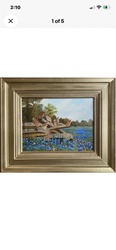
Submitted item photo
Submitted photo · May 27, 2026

User's notes

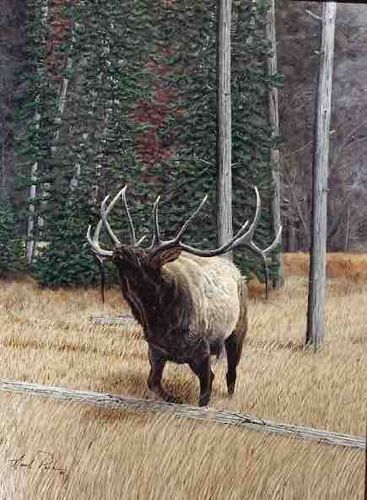
16” x 24” acrylic painting on Masonite of a bugling elk bull painted by Neal Parker in 1989.

AI analysis below

AI appraisal

AI analysis & estimate

AI-Generated · Verify before acting

Everything below is generated by AI for informational purposes only. AI can make mistakes — the AI may misidentify items or misattribute them (artist, maker, brand, designer, origin, era). This is not an official valuation and should not be used for insurance, sale, tax, estate, legal, or lending purposes — or any decision requiring a certified appraisal. It is not an authoritative claim about any person, brand, or rights holder — do not share or rely on it as a factual statement about a third party. Always consult qualified professionals before making financial decisions.

Note

This analysis also relies on unverified notes provided by the user, which may be incomplete or inaccurate and could affect the result.

Read the full disclaimer

AI Identification

·Not independently authenticated·Verify before acting

Bugling Bull Elk by Neal Parker

Fine Art - Wildlife Painting

AI Estimated Value

·Not an official valuation·Verify before acting

$1,200 - $1,800

As of May 27, 2026

AI Item Analysis

·AI can make mistakes·Verify before acting
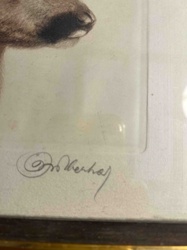
This original wildlife artwork is a 16” x 24” acrylic painting executed on a Masonite board by professional wildlife artist Neal Parker in 1989. The composition features a central, dominant bull elk in a bugling pose, rendered with masterful anatomical precision. The palette utilizes a refined range of earthy ochres, deep ambers, and forest greens to depict a mountainous forest edge during the autumn rut. The elk's fur is textured with fine brushstrokes to differentiate between the coarse, dark neck mane and the lighter, tawny flank. The massive antlers are portrayed with realistic highlights and depth, showcasing the animal's physical power. The background consists of vertical charred or weathered tree trunks and dense evergreens, perhaps indicating a regenerating burn area, which adds verticality to the scene. The low-growth yellow grasses in the foreground are meticulously detailed, providing a sense of depth and place. The artist’s signature, 'Neal Parker,' is clearly visible in the lower-left corner in a fluid, cursive style. The surface condition appears Excellent, showing no immediate signs of flaking, delamination from the Masonite, or significant UV fading. The technique reflects the high-quality realism found in North American wildlife art of the late 20th century, utilizing the fast-drying properties of acrylics to build complex layers of texture and light. This piece serves as a characteristic example of Parker's dedication to naturalistic detail and sporting subjects.
AI Appraisal Report

·AI can make mistakes·Verify before acting
Based on my visual examination of this 16” x 24” acrylic on Masonite, I find the work to be a quintessential example of Neal Parker's mastery of the wildlife genre. The 1989 execution displays the heightened realism and anatomical precision characteristic of late 20th-century sporting art. The condition appears excellent; the choice of Masonite provides a stable substrate that has prevented the substrate cracking often seen in light-weight canvas works of this age. The impasto work on the bull's mane and the glazing in the forest depth suggest a high level of technical competency. In the current secondary market, Parker’s works remain desirable among North American sporting art collectors, particularly those focusing on the 'Big Five' of the Rockies. Comparables for original Parker acrylics of this size typically hammer between $1,000 and $2,000 at specialized wildlife art auctions. The 'bugling' pose is the most sought-after stance for elk compositions, significantly bolstering marketability. However, this appraisal is based on photographic evidence alone. Definitive authentication requires physical inspection to verify the chemical profile of the acrylic medium, a microscopic analysis of the signature for 'floating' ink, and a review of provenance or original gallery labels. While the technique is consistent with Parker’s known hand, an in-person examination is necessary to rule out high-quality giclée overpaints and to confirm that no hidden structural delamination exists under the paint layer. For insurance purposes, I would value the piece at the higher end of the range reflecting replacement cost in a retail environment.

Related Tags

Explore similar items and categories

Get your items appraised

Instant estimates of your treasures with AI-powered appraisals

Browse More Appraisals