AI Appraisal Estimate

AI-generated estimates · not official valuations

From the user

What was submitted

Photo and notes provided by the user — not generated by AI

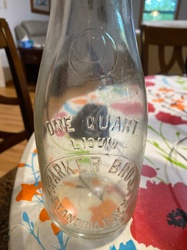
Submitted item photo
Submitted photo · June 6, 2026

User's notes

No additional notes provided.

AI analysis below

AI appraisal

AI analysis & estimate

AI-Generated · Verify before acting

Everything below is generated by AI for informational purposes only. AI can make mistakes — the AI may misidentify items or misattribute them (artist, maker, brand, designer, origin, era). This is not an official valuation and should not be used for insurance, sale, tax, estate, legal, or lending purposes — or any decision requiring a certified appraisal. It is not an authoritative claim about any person, brand, or rights holder — do not share or rely on it as a factual statement about a third party. Always consult qualified professionals before making financial decisions.

Read the full disclaimer

AI Identification

·Not independently authenticated·Verify before acting

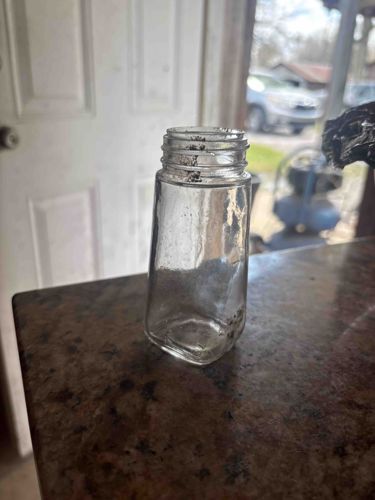
Vintage Clear Glass Spice or Apothecary Jar

Antique/Vintage Glassware and Containers

AI Estimated Value

·Not an official valuation·Verify before acting

$4.00 - $8.00

As of June 6, 2026

AI Item Analysis

·AI can make mistakes·Verify before acting
This item is a small, vintage clear glass jar, traditionally used for holding spices, seasonings, or small apothecary items. The jar stands approximately 3 to 4 inches tall and features a square-to-round tapering body with softened, rounded corners at the base. It is constructed from machine-molded transparent glass, which shows characteristic vertical mold seams along the sides. The neck is short with a continuous thread finish (CT finish), indicating it was designed to be fitted with a screw-on cap, likely made of metal or early plastic, though the cap is currently missing from the piece. In terms of condition, the glass exhibits significant surface grime and internal residue, particularly around the interior base and within the threads of the rim. There are visible 'seeds' or small air bubbles trapped within the glass matrix, which is a common manufacturing characteristic of mid-20th-century mass-produced glassware. While no major structural cracks or large chips are immediately apparent on the body, the rim shows minor stippling and dirt accumulation. The base appears slightly thickened for stability. There are no visible maker's marks or logos on the front face, although such marks are often found embossed on the bottom surface. Based on the threading and shape, this piece likely dates from the 1940s to the 1960s, reflecting a functional, utilitarian design era for household pantry staples. The clarity of the glass remains relatively good despite the surface contamination.
AI Appraisal Report

·AI can make mistakes·Verify before acting
I have virtually examined this clear glass spice/apothecary jar, dating it to roughly the mid-20th century (1940s–1960s). The machine-molded construction, presence of 'seeds' (air bubbles), and continuous thread finish are consistent with mass-produced utilitarian containers of this era. The item is currently in fair-to-good condition, showing significant residue and surface grime which suggests it has not been professionally cleaned; no major chips are visible, though the missing original cap significantly detracts from its completeness. The market for mid-century utilitarian glass is currently saturated. These jars were produced by the millions for domestic use. Comparables found in local antique malls or online platforms like Etsy and eBay typically sell for under ten dollars, often in bulk lots. Because this specific piece lacks a distinct maker’s mark on the body or a unique prismatic design, its rarity is non-existent. Its value is strictly decorative or functional for those seeking a rustic, 'found-object' aesthetic. Critically, a physical inspection is required to check the base for embossed manufacturer logos (such as Owens-Illinois or Hazel-Atlas) which could provide a more precise date. I would also need to feel for 'flea bites' or minute fractures along the rim threads that are not visible in the photographs. Scientific testing is generally not cost-effective for items of this valuation, but a blacklight test could determine the presence of manganese or other additives used during that manufacturing period. Provenance is not documented here and would likely not impact the value unless associated with a significant historical collection.

Get your items appraised

Instant estimates of your treasures with AI-powered appraisals

Browse More Appraisals