AI Appraisal Estimate

AI-generated estimates · not official valuations

From the user

What was submitted

Photo and notes provided by the user — not generated by AI

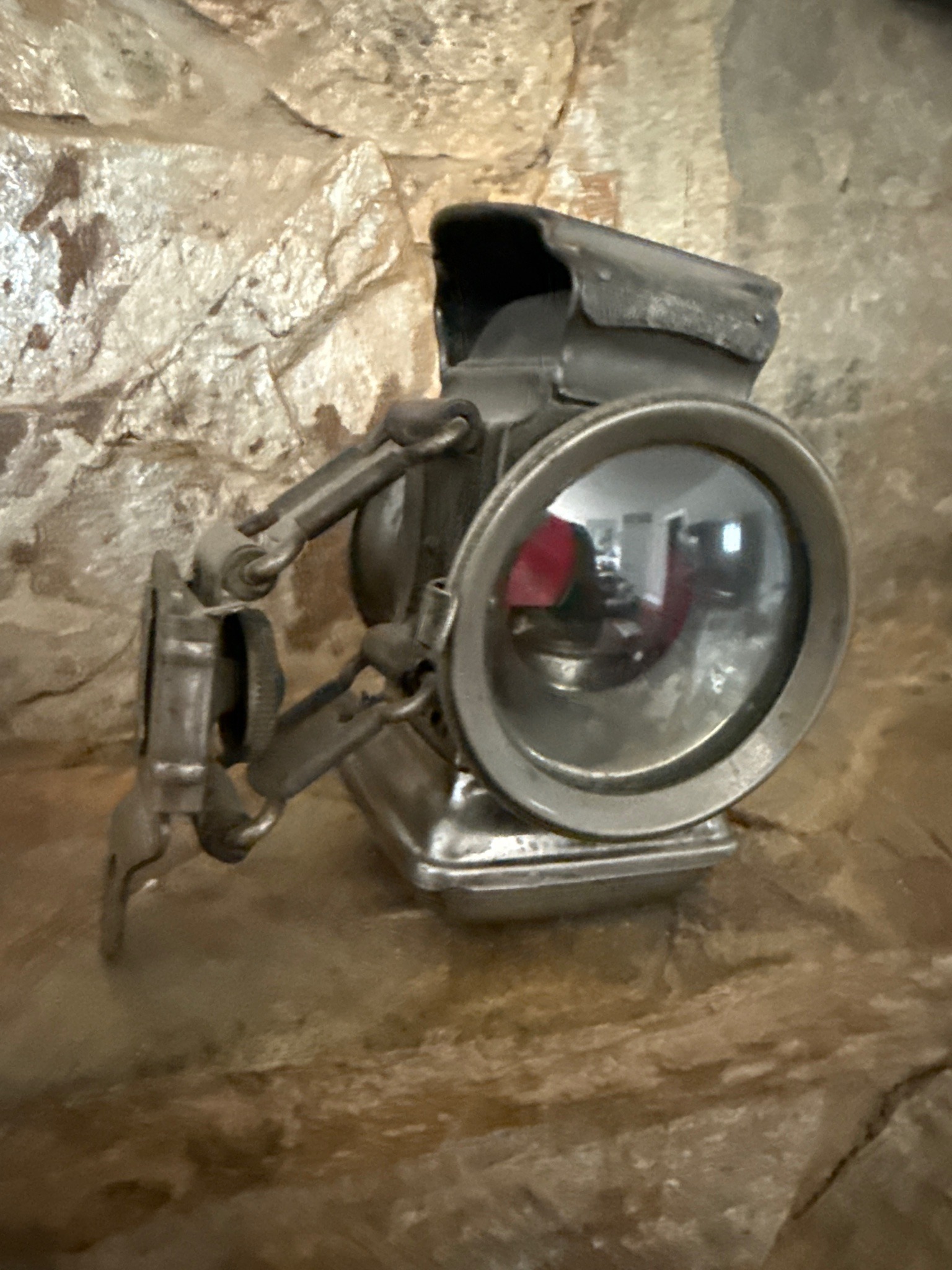
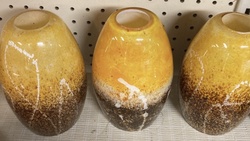
Submitted item photo
Submitted photo · May 24, 2026

User's notes

No additional notes provided.

AI analysis below

AI appraisal

AI analysis & estimate

AI-Generated · Verify before acting

Everything below is generated by AI for informational purposes only. AI can make mistakes — the AI may misidentify items or misattribute them (artist, maker, brand, designer, origin, era). This is not an official valuation and should not be used for insurance, sale, tax, estate, legal, or lending purposes — or any decision requiring a certified appraisal. It is not an authoritative claim about any person, brand, or rights holder — do not share or rely on it as a factual statement about a third party. Always consult qualified professionals before making financial decisions.

Read the full disclaimer

AI Identification

·Not independently authenticated·Verify before acting

Late-Victorian-era style carbide bicycle or vehicle lamp

Antique Lighting and Transportation Accessories

AI Estimated Value

·Not an official valuation·Verify before acting

$45 - $85

As of May 24, 2026

AI Item Analysis

·AI can make mistakes·Verify before acting
This object is a portable light source consistent with carbide (acetylene) lamps from the late 19th or early 20th century. The item features a circular convex glass lens house in a metallic frame, appearing to be made of plated brass or nickel, which shows significant oxidation and surface wear. On the left side, a pivoting mounting bracket is visible, which was stylistically common for attaching the lamp to bicycle frames or carriage parts. The main body consists of an upper water reservoir and a lower section which likely contained calcium carbide. While no maker's mark or branding is discernible from the image, the design is stylistically consistent with models produced by manufacturers like Joseph Lucas Ltd or Badger Brass Mfg. The metal shows a dull gray patina with areas of pitting and potential surface corrosion. The top hinge appears functional but worn, and the glass lens is intact with no major visible cracks. The identification is considered a hypothesis based on form and function as no identifying labels are legible; physical inspection by an expert would be required to identify the specific manufacturer or year of production.
AI Appraisal Report

·AI can make mistakes·Verify before acting
Based on the image provided, I have examined this portable lighting device, which appears to be a late 19th or early 20th-century carbide (acetylene) lamp. While I cannot verify the manufacturer from a photo alone, the form and mounting bracket are consistent with a hypothesis that this is a bicycle or carriage accessory from the Late-Victorian era. The item shows significant surface wear, oxidation, and pitting to the metal, which based on what I can see, appears to be nickel-plated brass. The presence of these condition issues affects the value, though the lens appears intact. My valuation is based on the assumption that this is a period-correct lamp rather than a modern reproduction. The market for antique transportation lighting is stable, with demand driven by collectors of early cycling or automotive history. If this item were to be conclusively attributed to a high-profile maker like Joseph Lucas Ltd through physical inspection of stamps or hallmarks, it might lean toward the higher end of the estimate. However, without a physical examination to confirm the integrity of the water reservoir and internal threads, I must provide a broader range. Authenticity cannot be established through images alone; in-person examination by a specialist and verification of any hidden maker marks would be required to confirm the attribution. If the piece were found to be a mid-century reproduction or a contemporary 'in the style of' decorative copy, the value would likely drop below $20. Most buyers in this category seek items with evidence of age and functional potential, making the current patina a relevant factor for an assumed period piece.

Get your items appraised

Instant estimates of your treasures with AI-powered appraisals

Browse More Appraisals