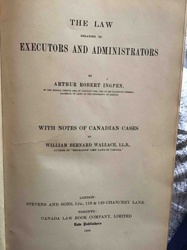
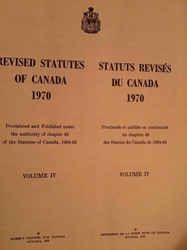
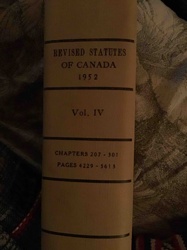
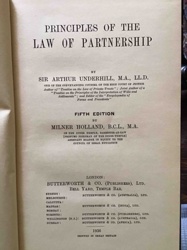
These notes were written by the person who submitted this item. Appraiser.AI has not verified them, and the AI's identification and estimate may rely on them.
AI Estimated Value
Not an official valuation
$40-80
AI estimate as of June 26, 2025 · verify with a professional before acting
AI-Generated · Verify before acting
Everything on this page is generated by AI for informational purposes only. AI can make mistakes — the AI may misidentify items or misattribute them (artist, maker, brand, designer, origin, era). This is not an official valuation and should not be used for insurance, sale, tax, estate, legal, or lending purposes — or any decision requiring a certified appraisal. It is not an authoritative claim about any person, brand, or rights holder — do not share or rely on it as a factual statement about a third party. Always consult qualified professionals before making financial decisions.
This analysis also relies on unverified notes provided by the user, which may be incomplete or inaccurate and could affect the result.
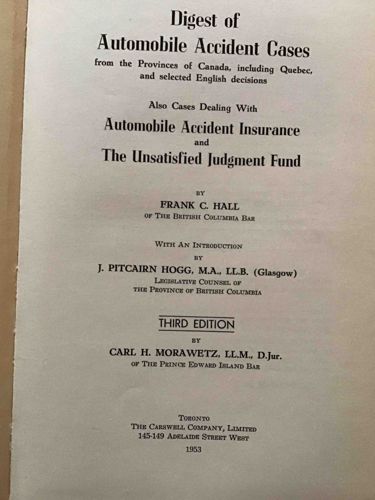
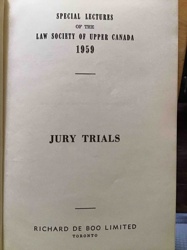
This item is a legal treatise titled 'Digest of Automobile Accident Cases, Third Edition', published in 1953. It presents a comprehensive collection of legal decisions related to automobile accidents, specifically covering cases from the provinces of Canada, including Quebec, and selected English decisions. Furthermore, the digest includes sections dedicated to Automobile Accident Insurance and The Unsatisfied Judgment Fund. The book was authored by Frank C. Hall of The British Columbia Bar, with an introduction by J. Pitcairn Hogg, M.A., LL.B. (Glasgow), Legislative Counsel of The Province of British Columbia, and the Third Edition was prepared by Carl H. Morawetz, LL.M., D.Jur., of The Prince Edward Island Bar. It was published by The Carswell Company, Limited, located at 145-149 Adelaide Street West, Toronto. The visible condition of the page suggests it is in good condition, as indicated by the context, with clear, legible black text printed on a light-colored, likely off-white or cream, paper. No visible tears, significant creases, or discoloration are apparent, indicating meticulous care. The typography and layout are characteristic of mid-20th-century academic or legal publications, emphasizing readability and clarity. As a specialized legal text from a well-known Canadian legal publisher like Carswell, it would have been produced with high standards of scholarship and physical durability. The book functions as a valuable historical legal reference, providing insight into Canadian and English common law as it pertained to automotive liability and insurance in the mid-20th century.
AI Appraisal Report
Upon my examination of the provided image and information, this 'Digest of Automobile Accident Cases, Third Edition' from 1953, published by The Carswell Company, Limited, appears to be in good condition. The description notes clear, legible black text on light-colored paper with no apparent tears, significant creases, or discoloration, suggesting meticulous care. The typography and layout are consistent with mid-20th-century legal publications, reinforcing its authenticity as a period piece.
The market for specialized vintage legal texts like this is quite niche. Its primary value is historical and academic, rather than as a current legal reference, as the legal principles it outlines are largely outdated. Demand is therefore limited primarily to legal historians, academic libraries specializing in legal history, or very specific legal collectors. It is not considered exceptionally rare, but finding copies in 'good condition' can be less common.
Factors positively impacting its value include its reported good condition, its origin from a reputable Canadian legal publisher (Carswell), and its historical insight into mid-20th-century Canadian and English common law regarding automotive liability. However, its age and the outdated nature of its legal content significantly limit its broader appeal and thus its market value. Being a third edition also generally places it below the collectible value of a first edition.
It is crucial to note the limitations of an appraisal based solely on images and owner descriptions. A physical examination would allow for a definitive assessment of the binding's integrity, paper quality (e.g., acidity, brittleness, actual color fidelity), detection of subtle foxing or internal markings not visible in images, and the overall tactile condition. Full authentication would also ideally involve examining any provenance documentation, though for an item of this nature, such documentation is rarely available or necessary.