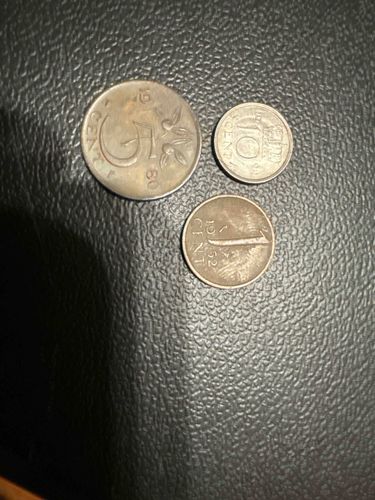
Collection of three mid-20th century Dutch Cent coins
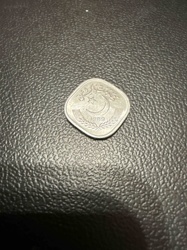
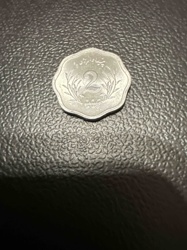
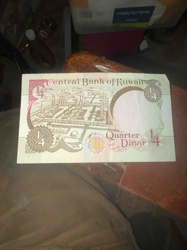
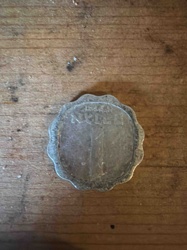
This set consists of three circulation-grade coins from the Netherlands, representing the Juliana era. The largest coin is a 1960 5-Cent piece, typically struck in bronze with a weight of approximately 3.5 grams and a diameter of 19mm. It features the distinctive large numeral '5' flanked by fruit motifs. The second coin is a 1952 1-Cent piece, also bronze, measuring roughly 14mm with a weight of 1.5 grams, showing the numeral '1' and 'CENT'. The third is a 10-Cent coin, likely nickel based on its silver-toned appearance, featuring the numeral '10'. All coins show signs of moderate to heavy circulation, including surface scratches, edge nicks, and significant oxidation (patina) typical for bronze and nickel-alloy coinage of this vintage. The 1952 penny displays a dark, uneven tone, while the 5-cent piece shows lighter surface wear. These were mass-produced at the Utrecht mint, identifiable by the caduceus mint mark (not clearly visible but standard for the period). They represent the post-WWII monetary system of the Netherlands before the transition to the Euro.
AI-Generated Appraisal Disclaimer
Estimated Value
$1.00 - $3.00
Basic Information
Category
Numismatics / World Currency
Appraised On
January 15, 2026
Estimated Value
$1.00 - $3.00
Item Description
This set consists of three circulation-grade coins from the Netherlands, representing the Juliana era. The largest coin is a 1960 5-Cent piece, typically struck in bronze with a weight of approximately 3.5 grams and a diameter of 19mm. It features the distinctive large numeral '5' flanked by fruit motifs. The second coin is a 1952 1-Cent piece, also bronze, measuring roughly 14mm with a weight of 1.5 grams, showing the numeral '1' and 'CENT'. The third is a 10-Cent coin, likely nickel based on its silver-toned appearance, featuring the numeral '10'. All coins show signs of moderate to heavy circulation, including surface scratches, edge nicks, and significant oxidation (patina) typical for bronze and nickel-alloy coinage of this vintage. The 1952 penny displays a dark, uneven tone, while the 5-cent piece shows lighter surface wear. These were mass-produced at the Utrecht mint, identifiable by the caduceus mint mark (not clearly visible but standard for the period). They represent the post-WWII monetary system of the Netherlands before the transition to the Euro.
Get Your Items Appraised
Instant estimates of your treasures with AI-powered instant appraisals