AI Appraisal Estimate

AI-generated estimates · not official valuations

From the user

What was submitted

Photo and notes provided by the user — not generated by AI

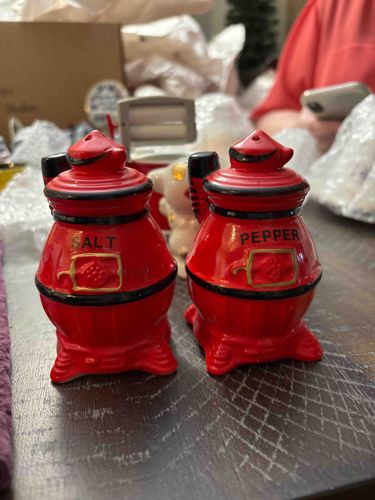
Submitted item photo
Submitted photo · May 30, 2026

User's notes

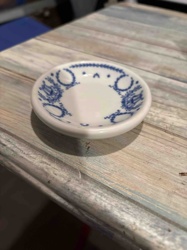
Japan stamp

AI analysis below

AI appraisal

AI analysis & estimate

AI-Generated · Verify before acting

Everything below is generated by AI for informational purposes only. AI can make mistakes — the AI may misidentify items or misattribute them (artist, maker, brand, designer, origin, era). This is not an official valuation and should not be used for insurance, sale, tax, estate, legal, or lending purposes — or any decision requiring a certified appraisal. It is not an authoritative claim about any person, brand, or rights holder — do not share or rely on it as a factual statement about a third party. Always consult qualified professionals before making financial decisions.

Note

This analysis also relies on unverified notes provided by the user, which may be incomplete or inaccurate and could affect the result.

Read the full disclaimer

AI Identification

·Not independently authenticated·Verify before acting

Vintage Japanese Red Potbelly Stove Salt and Pepper Shakers

Vintage Kitchenware / Collectible Ceramics

AI Estimated Value

·Not an official valuation·Verify before acting

$15 - $25

As of May 30, 2026

AI Item Analysis

·AI can make mistakes·Verify before acting
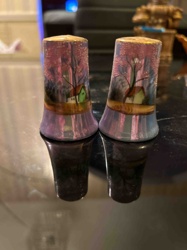
This is a charming set of vintage ceramic salt and pepper shakers designed in the shape of traditional potbelly stoves. Standing approximately 3 to 4 inches tall, the shakers are crafted from ceramic (likely earthenware) and finished in a vibrant, high-gloss cherry red cold paint or glaze. Each stove features black ring accents around the upper and lower stove body, with 'SALT' and 'PEPPER' clearly labeled in black block lettering above a stylized gold-painted oven door. The shakers boast a tiered lid design topped with a single dispense hole, mimicking a stove vent. The bases are molded with four small Victorian-style legs. These items are characteristic of the 'Made in Japan' kitsch novelties produced during the mid-20th century, specifically the late 1940s through the 1960s. The craftsmanship is typical of the era's mass-produced souvenirs, featuring hand-painted details that vary slightly between pieces. In terms of condition, there are minor scuffs and tiny flecks of paint loss visible on the red surface (common for cold-painted ceramics of this age), but the structural integrity remains sound with no visible cracks or heavy repairs. As noted by the user, these bear a 'Japan' stamp on the bottom, a primary indicator of origin and age for collectors of vintage kitchenalia.
AI Appraisal Report

·AI can make mistakes·Verify before acting
Upon my virtual examination of these vintage ceramic potbelly stove salt and pepper shakers, I find them to be characteristic examples of mid-20th-century Japanese kitchenware. The 'Japan' stamp on the base aligns with the post-WWII manufacturing period (1940s-1960s), during which numerous novelty sets were exported to the U.S. market. The red cold-painted finish shows typical age-related wear, including minor paint loss and flaking, which is expected for this medium as it was applied over the glaze rather than fired within it. Market demand for Japanese 'kitsch' remains steady among niche 'kitchenalia' collectors; however, these specific models were mass-produced in high volumes, making them common rather than rare. Comparables for similar novelty stoves in good condition generally sell within the $15-$25 range at antique malls or online auctions. The appraisal value is limited by the presence of cold-paint loss, which collectors prefer to see in pristine condition. For full authentication, an in-person inspection would be required to rule out modern reproductions and to check for hidden hairline cracks or repairs to the legs. Verification of the cork stopper material—original cork versus modern plastic—would also provide insight into the set's historical integrity. No scientific testing is required, as the value is primarily driven by aesthetic nostalgia and provenance is rarely documented for such mass-market souvenirs.

Get your items appraised

Instant estimates of your treasures with AI-powered appraisals

Browse More Appraisals